How That Shows Up in the Door
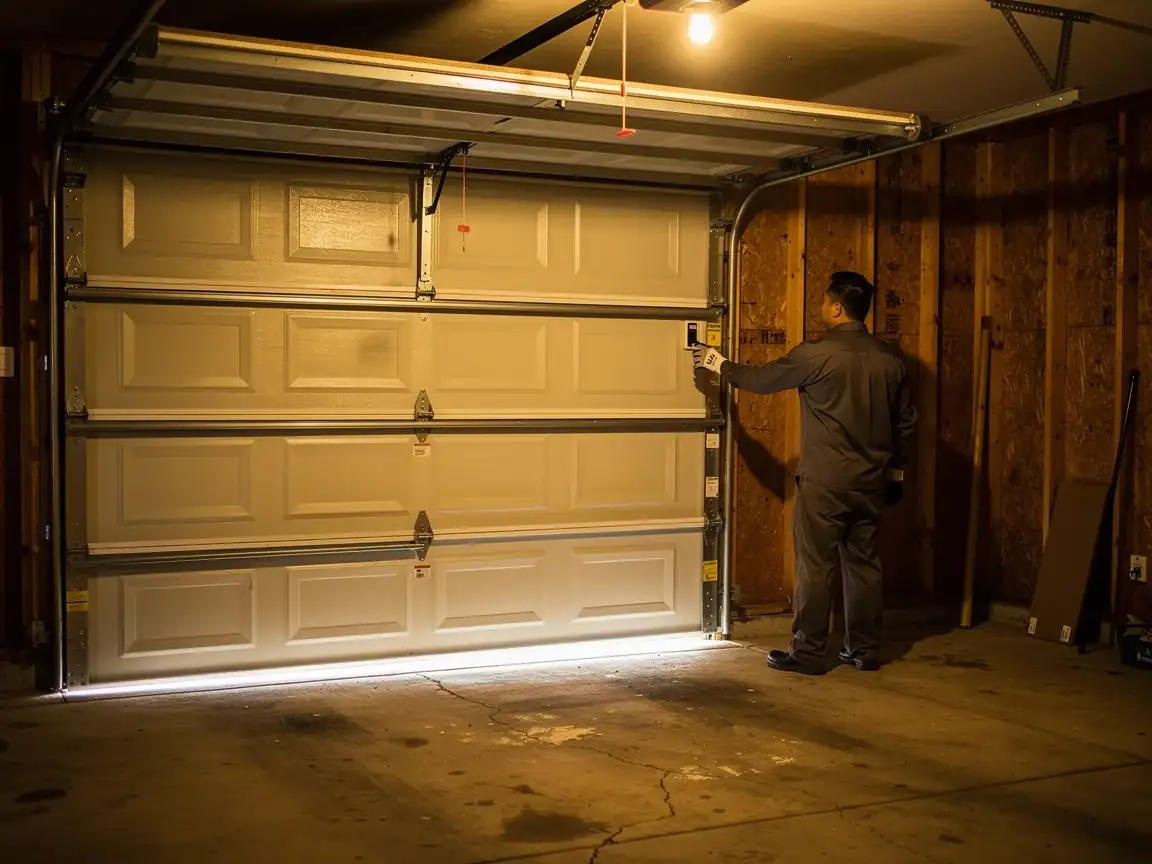
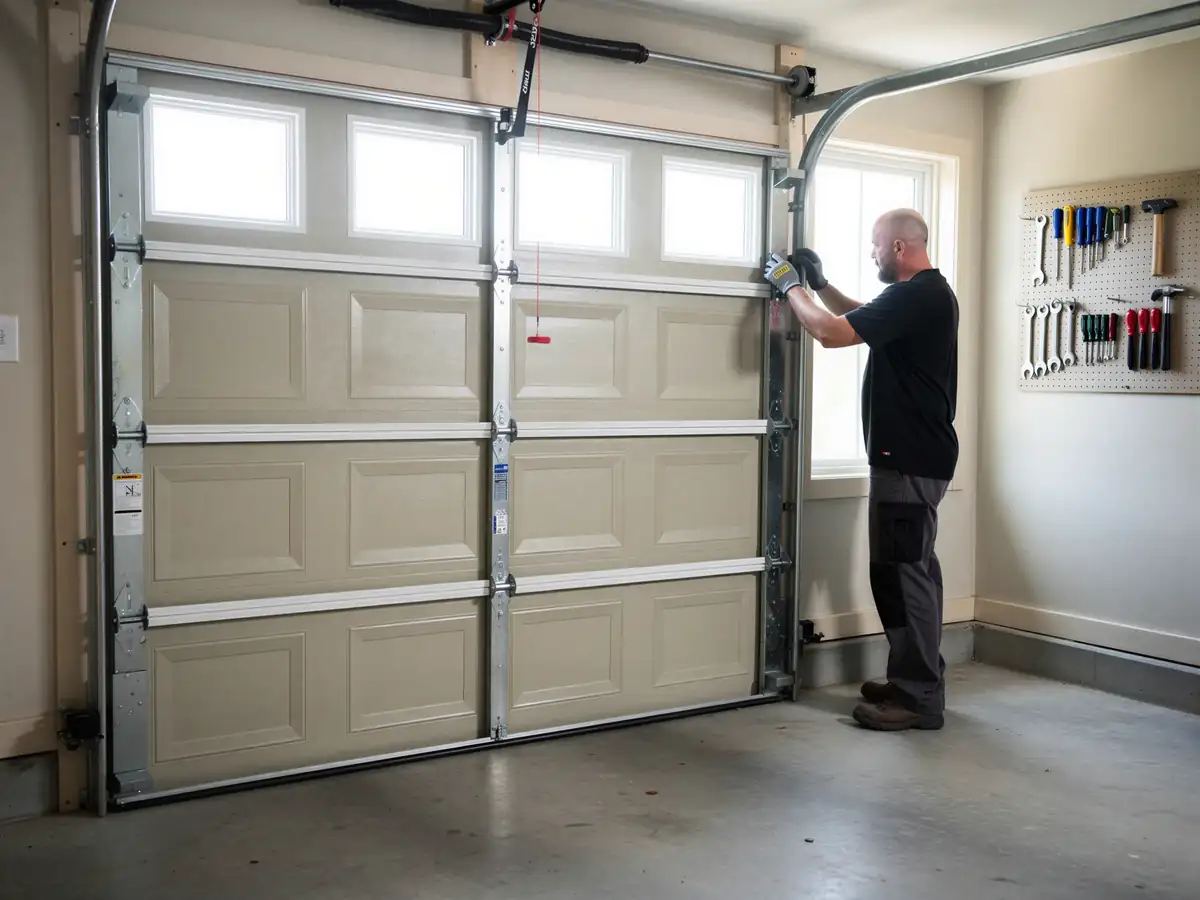
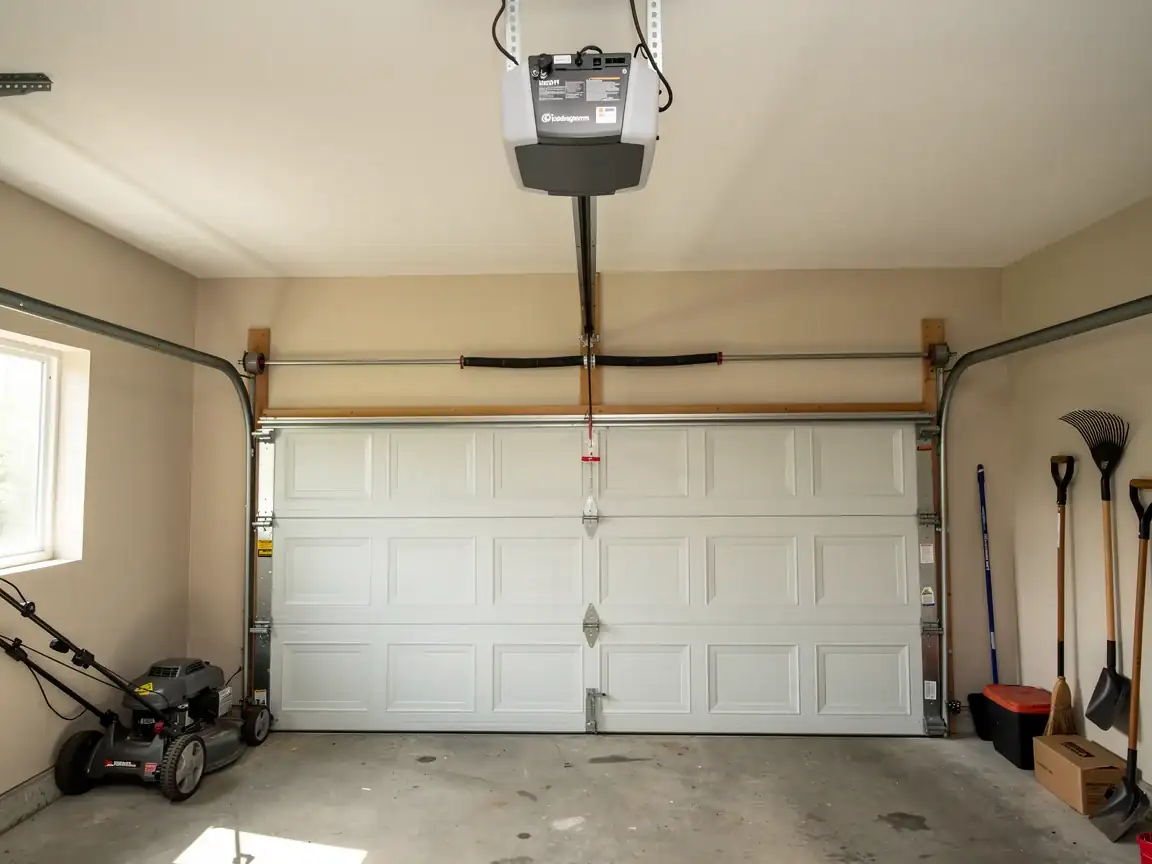
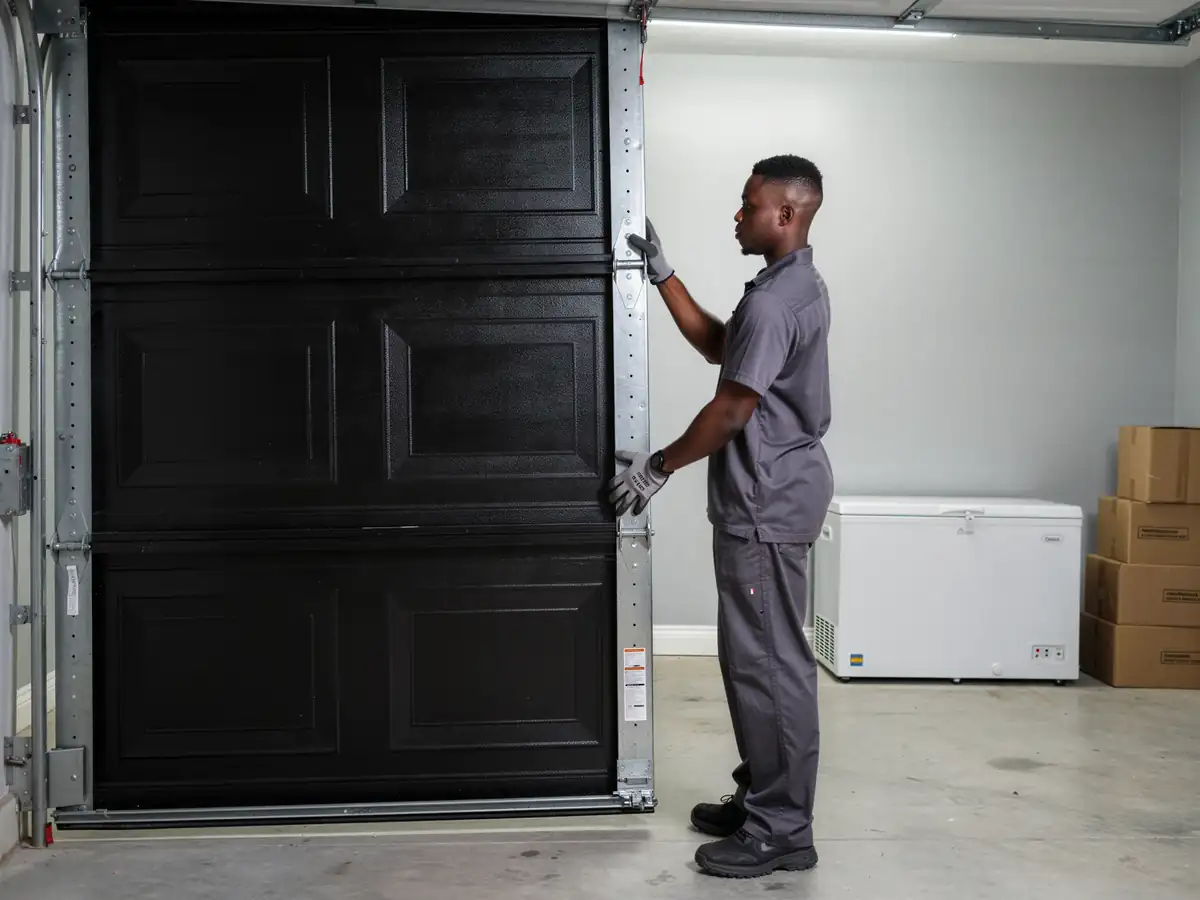
Older framing means the door opening itself is often slightly out of square, something a straight from-the-factory panel doesn't love. We see more binding on one side of the track than the other, more rollers wearing unevenly, and more call-outs where the real problem is the track bracket pulling loose from softened wood rather than anything wrong with the door panel. Openers from a prior upgrade cycle - chain drives installed sometime in the 80s or 90s as a retrofit - are also common, and their safety sensors tend to be the first thing to drift out of alignment after this much time. In a cold moderate climate, metal contracts and expands through the winter-to-summer swing, and on hardware this old that movement finds every loose screw and worn bushing. None of this is exotic. It's just what happens when a door has been doing its job since before most garage door openers had safety reversal built in at all.
What We Do Most in This Area
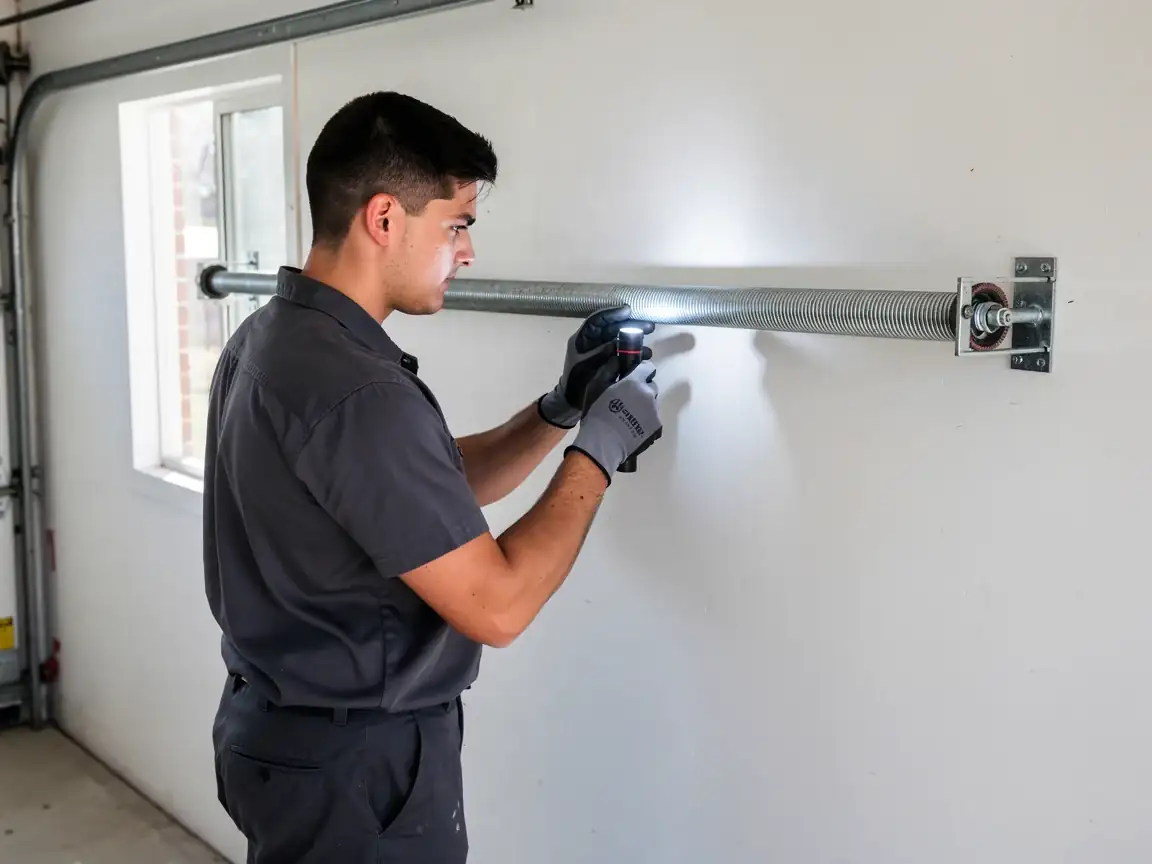
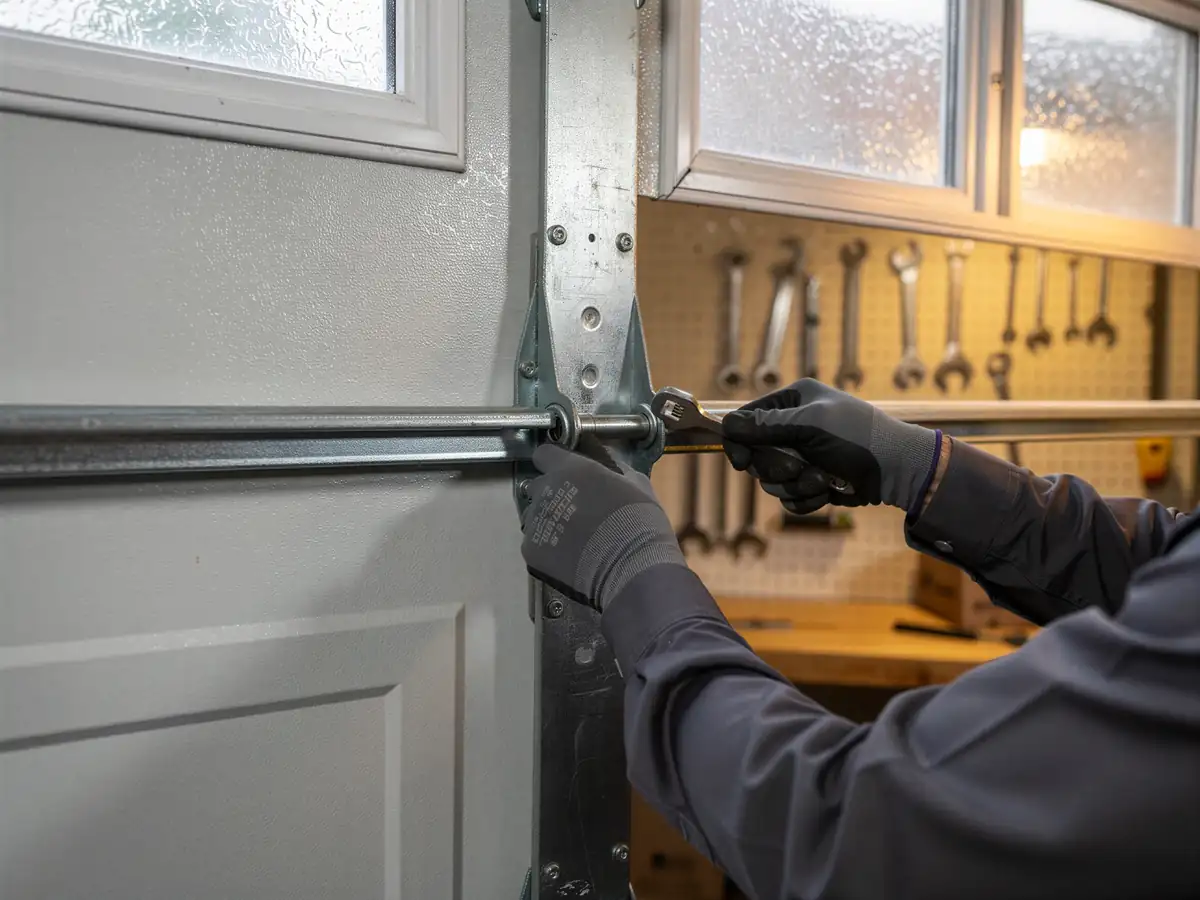
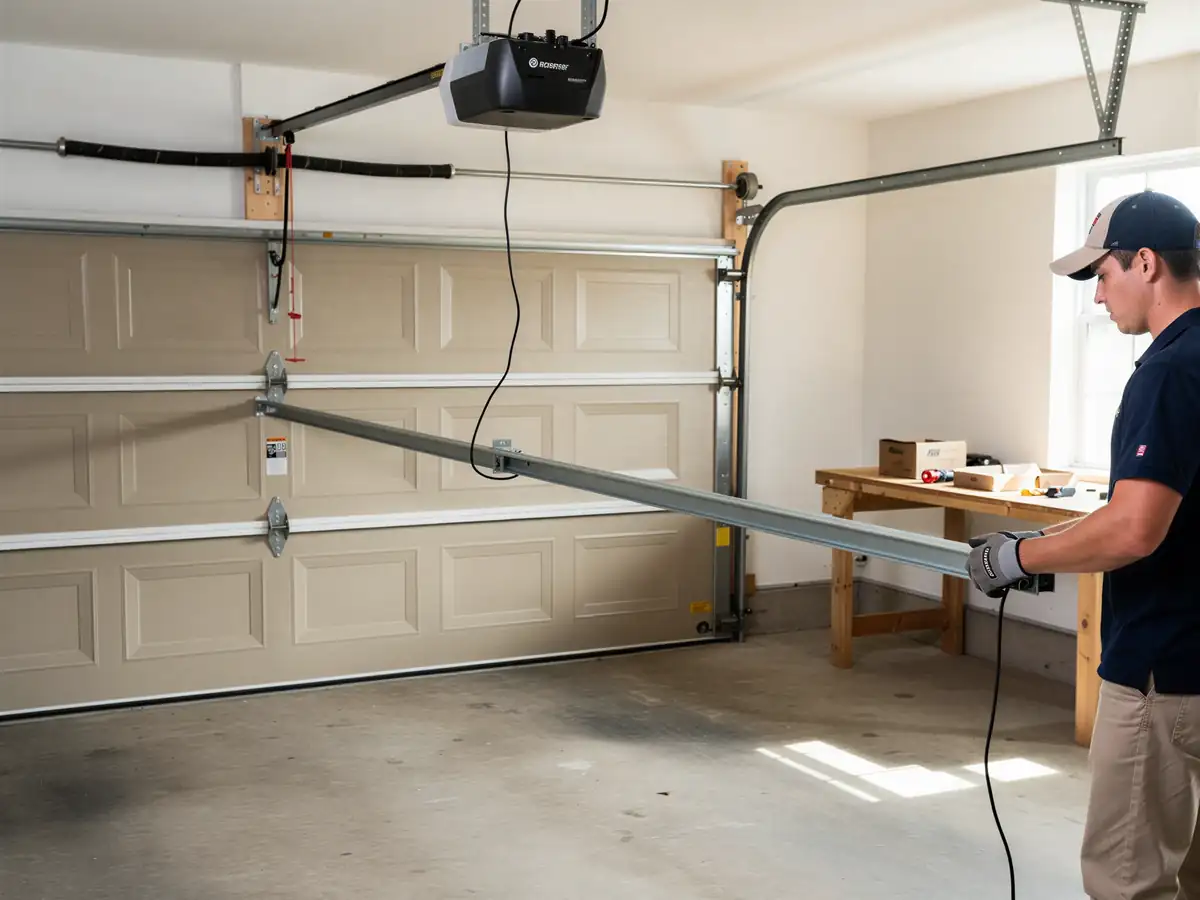
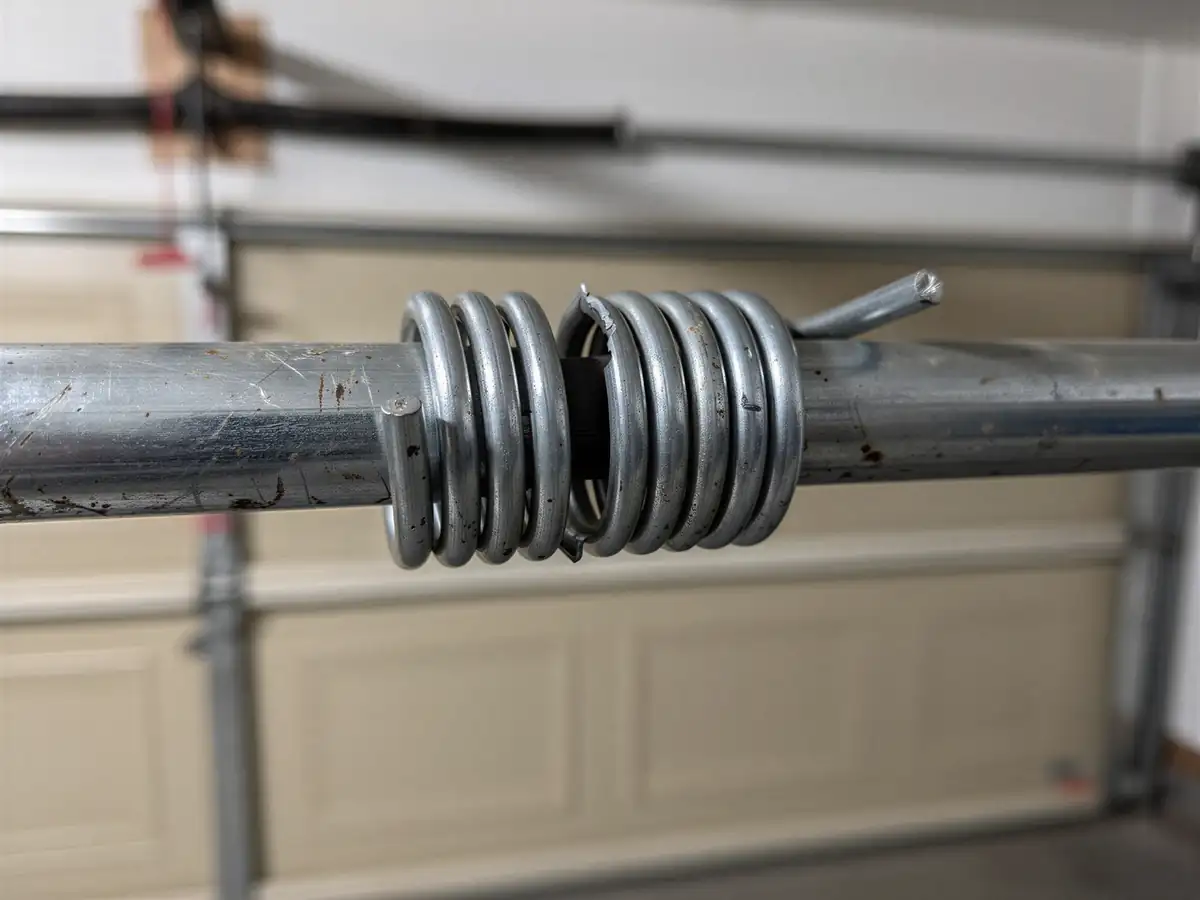
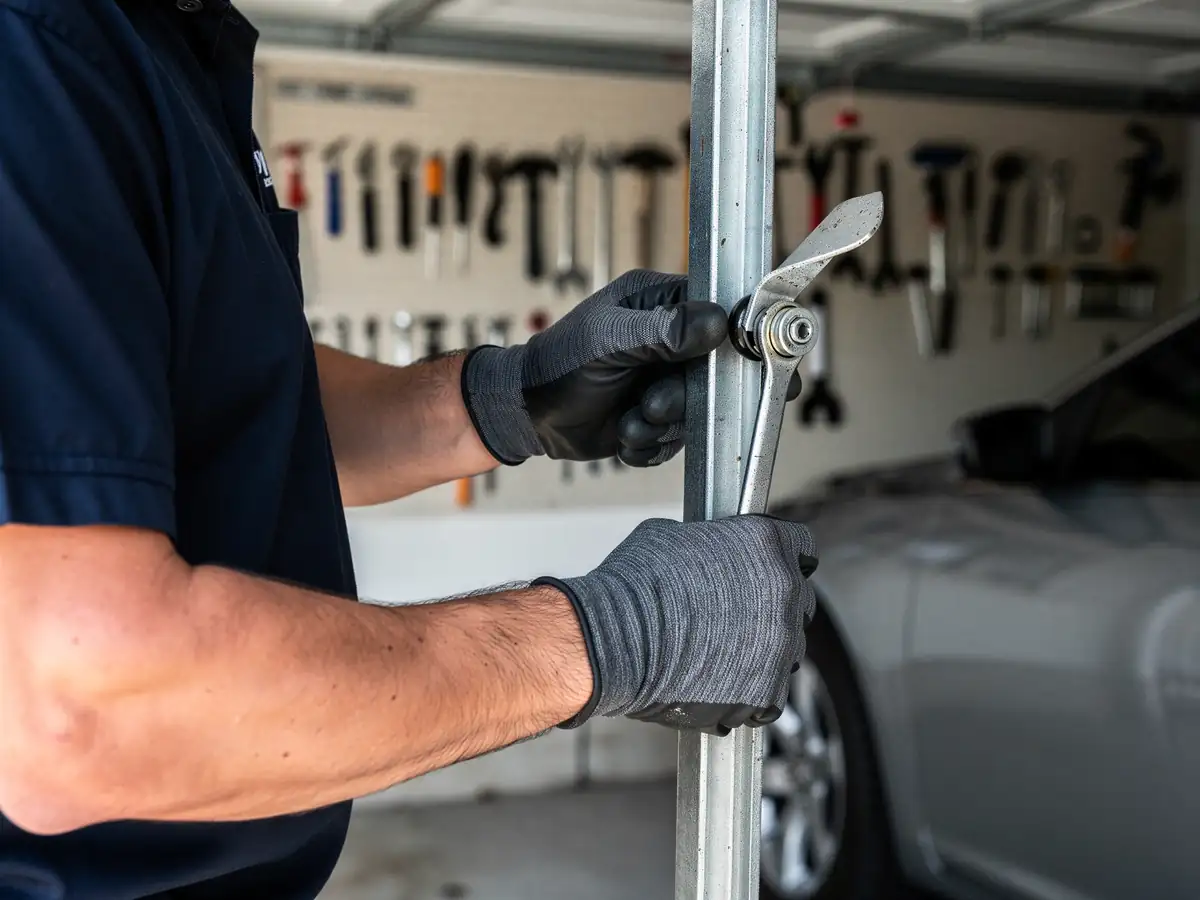
In Franklin we spend more time on spring and hardware repair than on full door replacement, mostly because the original openings are solid even when the moving parts aren't. Torsion spring swaps, roller and track replacement, and opener sensor realignment make up most of the work. Panel replacement comes up less often here than in newer-built sections of the territory, simply because a lot of these doors were replaced once already and the current panel is younger than the house. We'll be straight about it when a repair isn't worth doing - if the track brackets are pulling out of rotted jamb wood, patching the track again is a waste of your money, and that's a carpentry fix before it's a garage door fix. We'll tell you that rather than keep billing you for the same callback.