Getting It Booked In
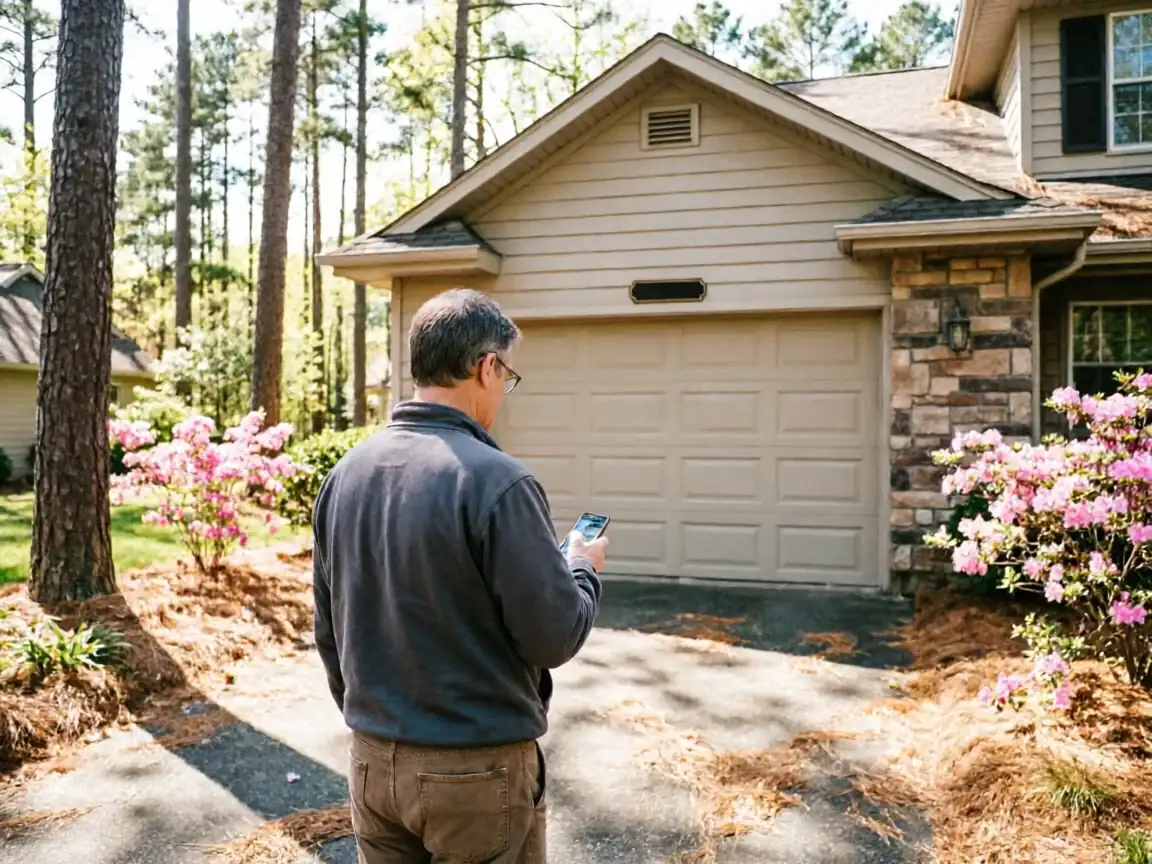
Call in what you're seeing and we can usually tell you over the phone whether it's a torsion spring, an extension spring, or something else wearing a spring's symptoms
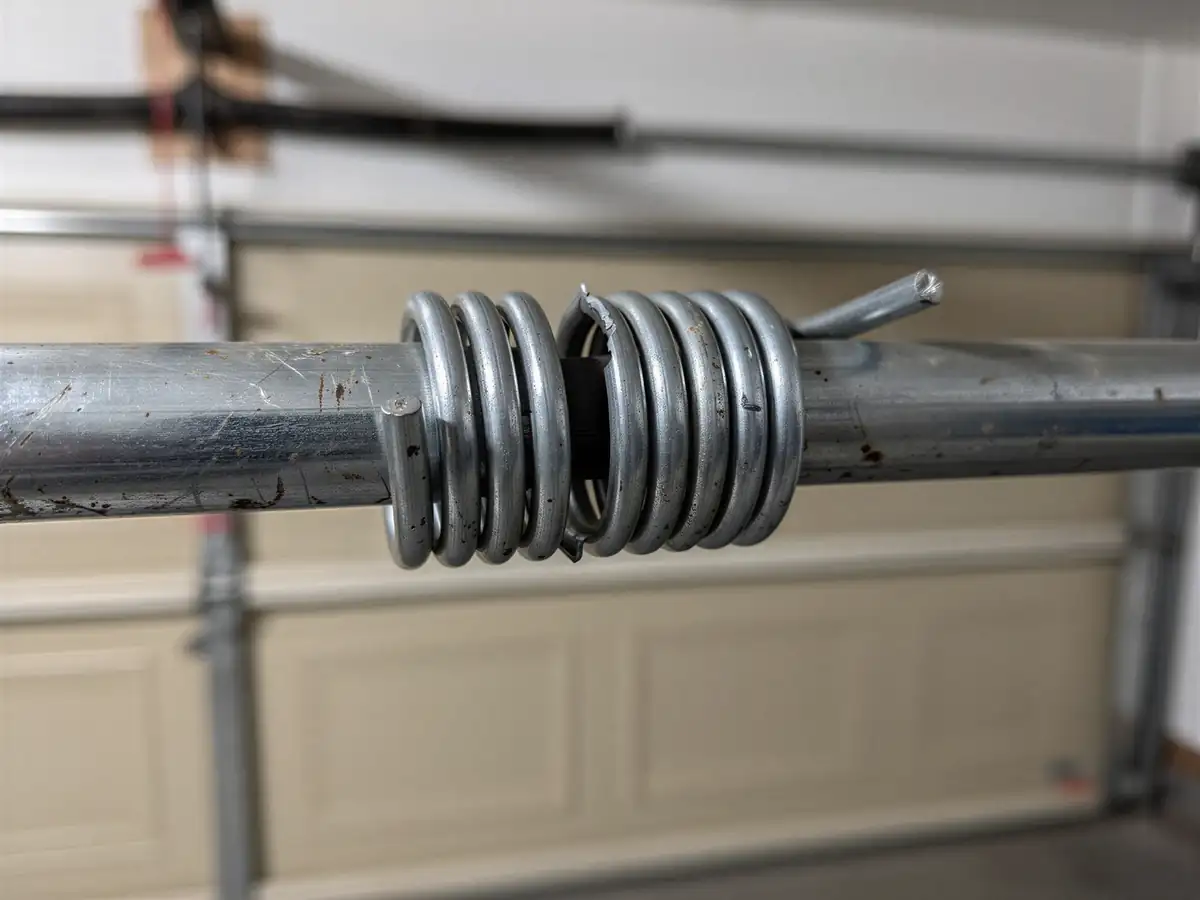
A broken torsion spring on a double door is the most common call we take, and it's not a job to put off - a door with a snapped spring is heavy and the opener will fight it until the opener burns out too.
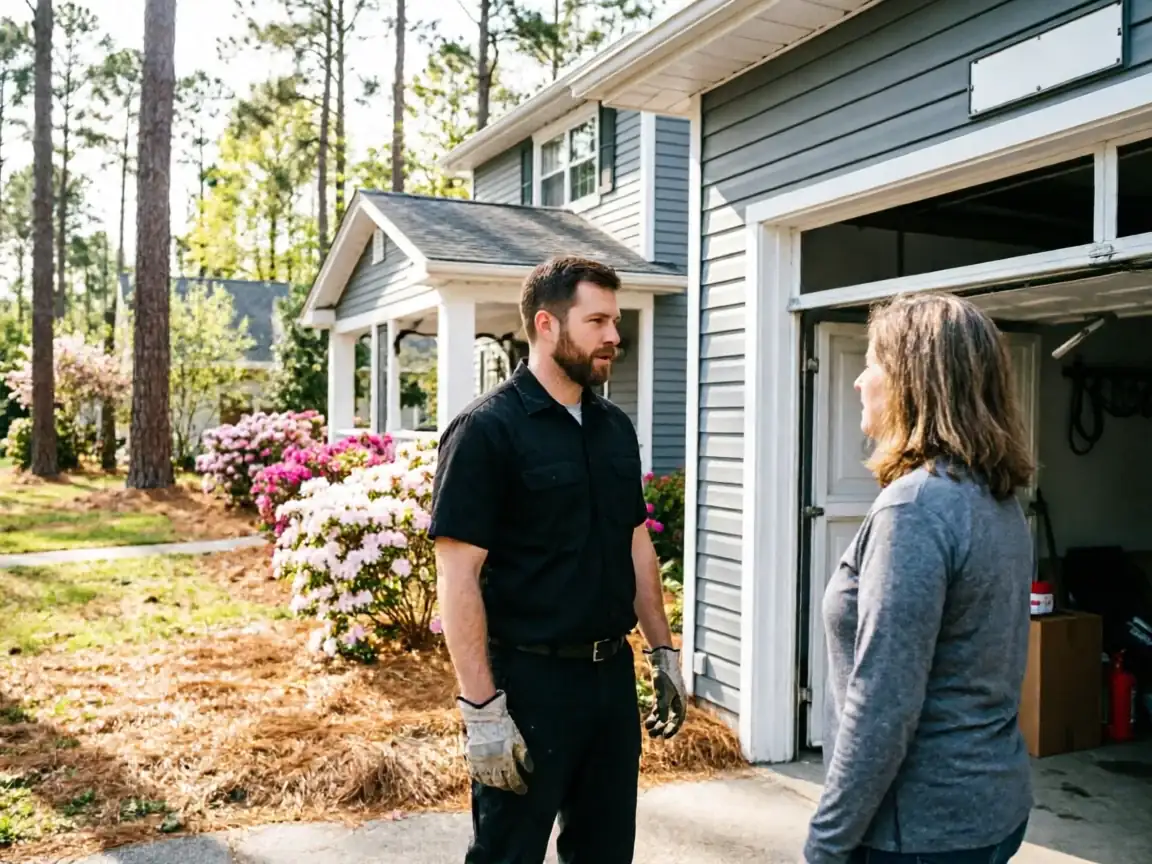
We work the whole area out to Windsor, Franklin, Smithfield, and scheduling runs the same way no matter which side of that territory you're on
One honest limit: if the spring size or drum isn't something we carry on the truck, you're looking at a second trip, not a same-day fix. That's rare, but it happens on older or oddball setups, and we'd rather tell you upfront than promise a fix we can't finish in one visit.
The Symptom
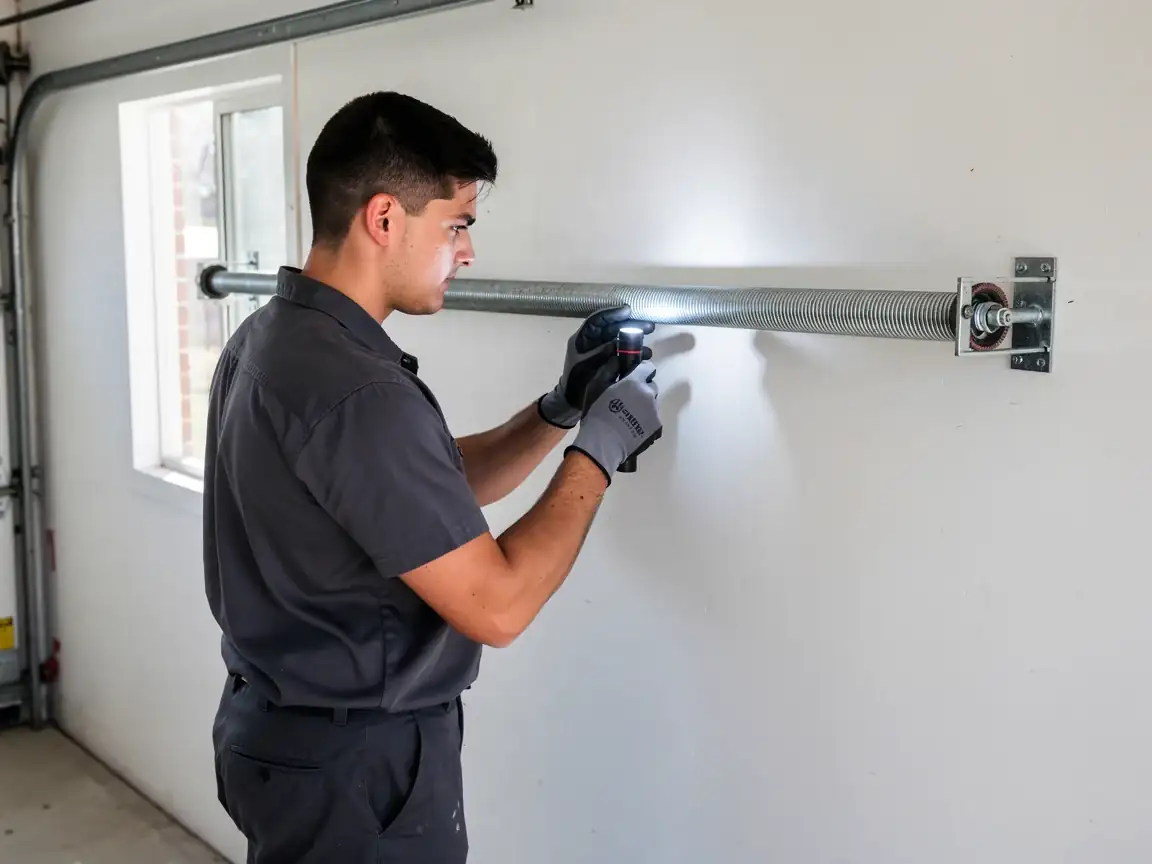
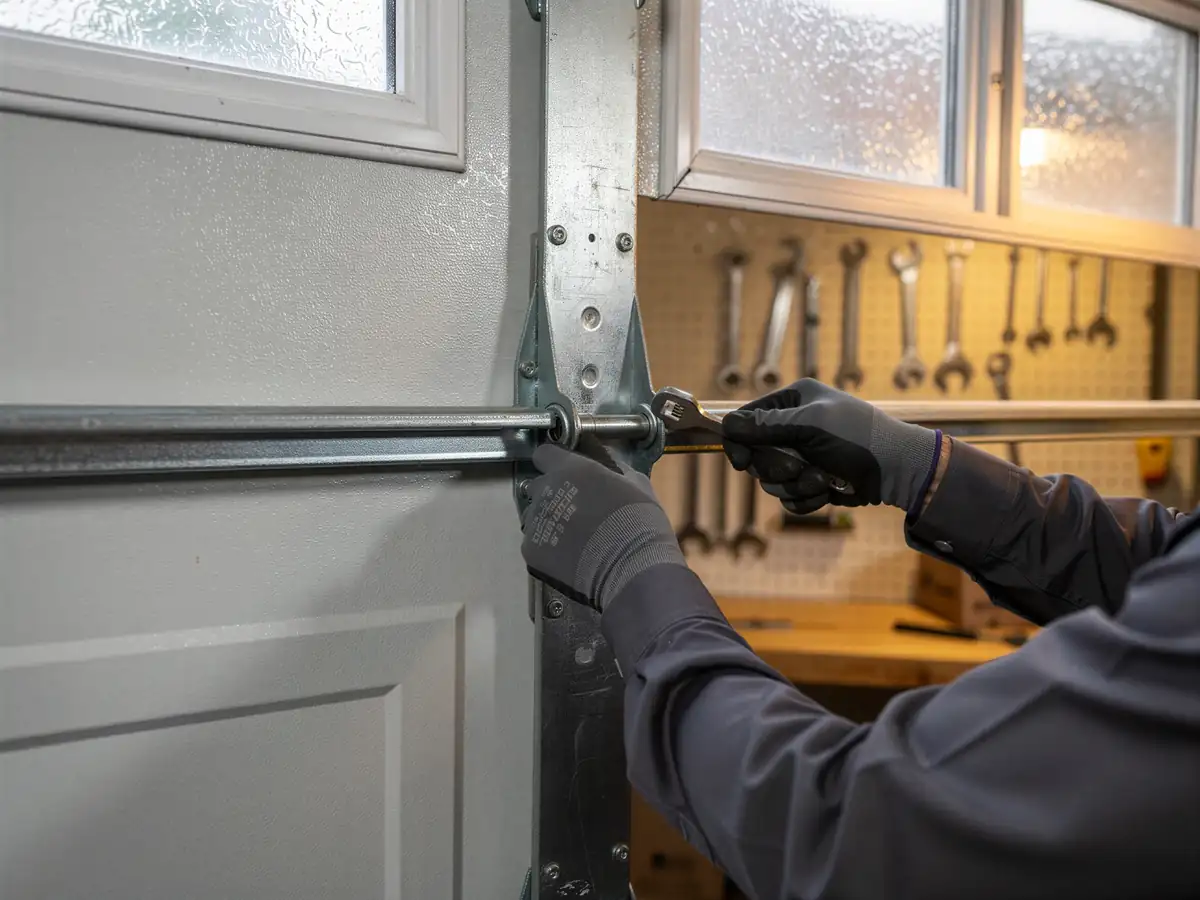
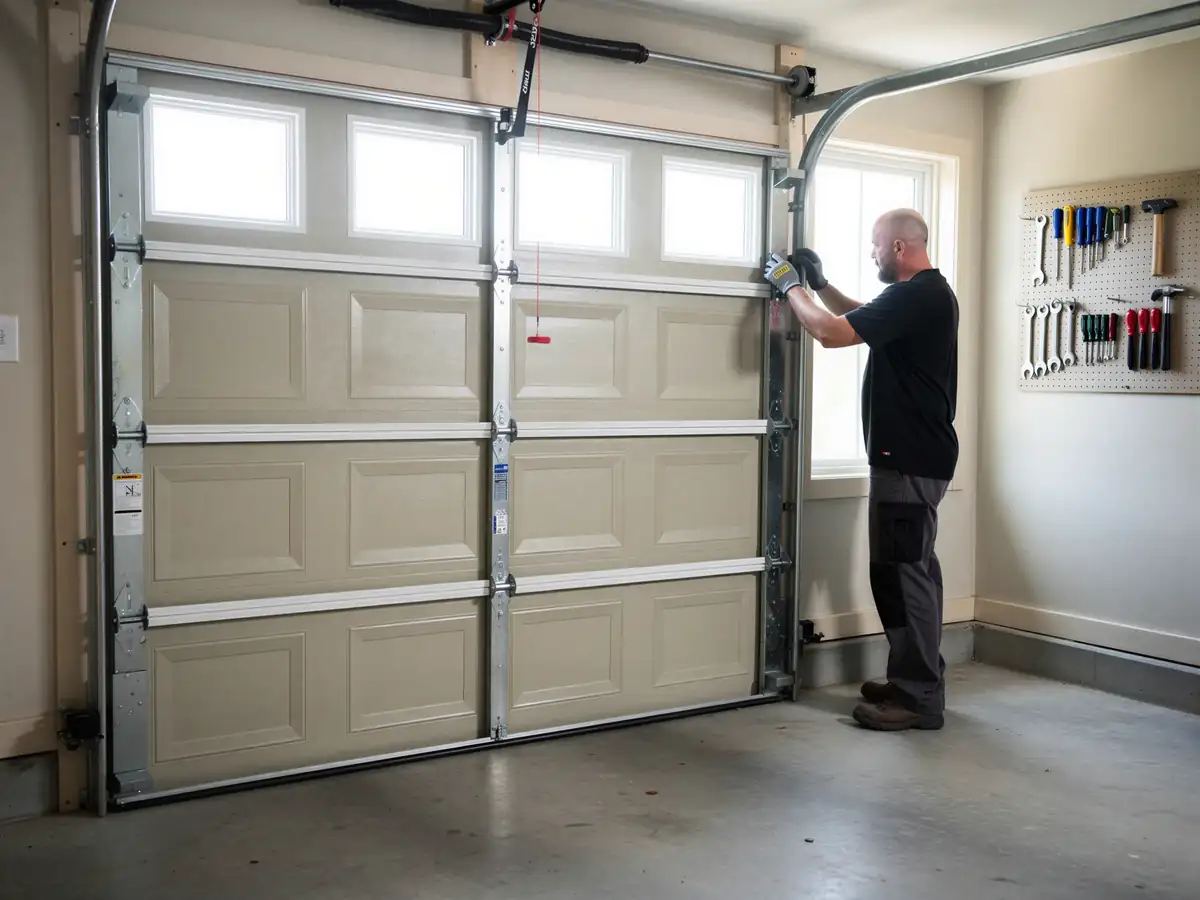
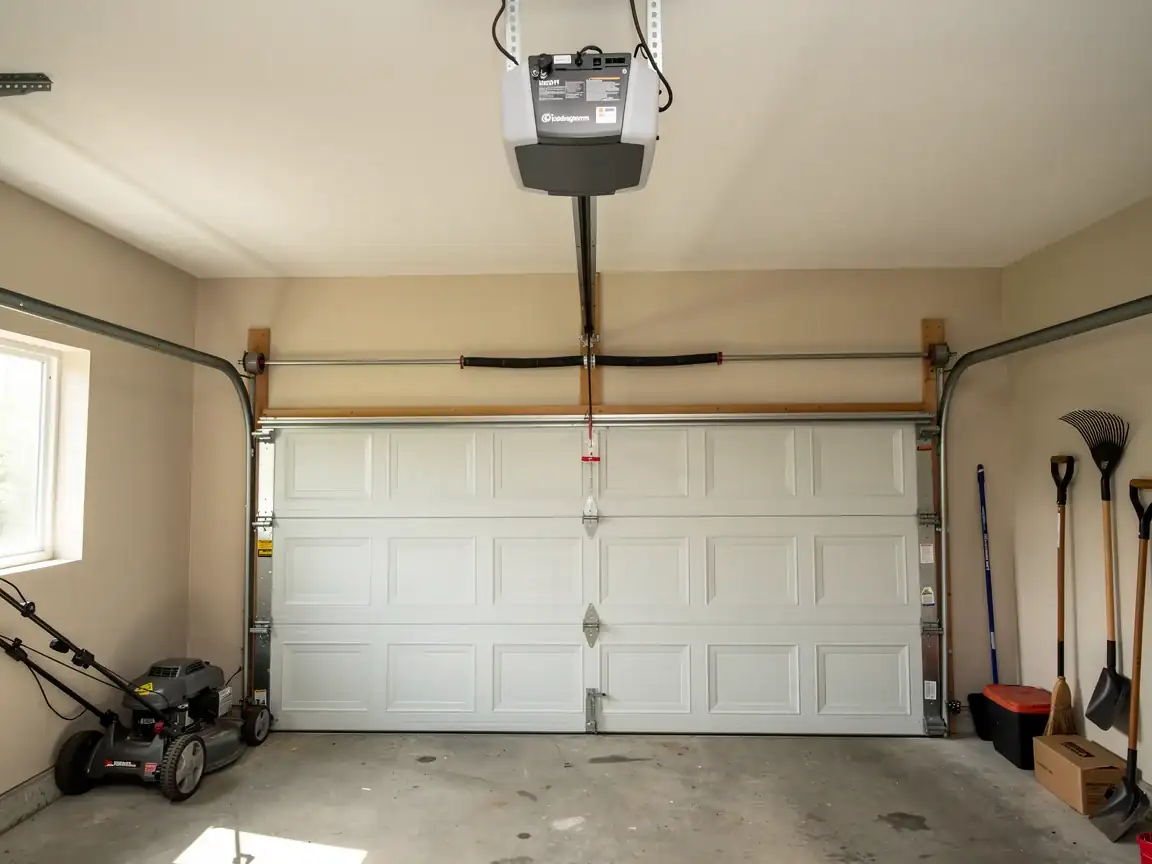
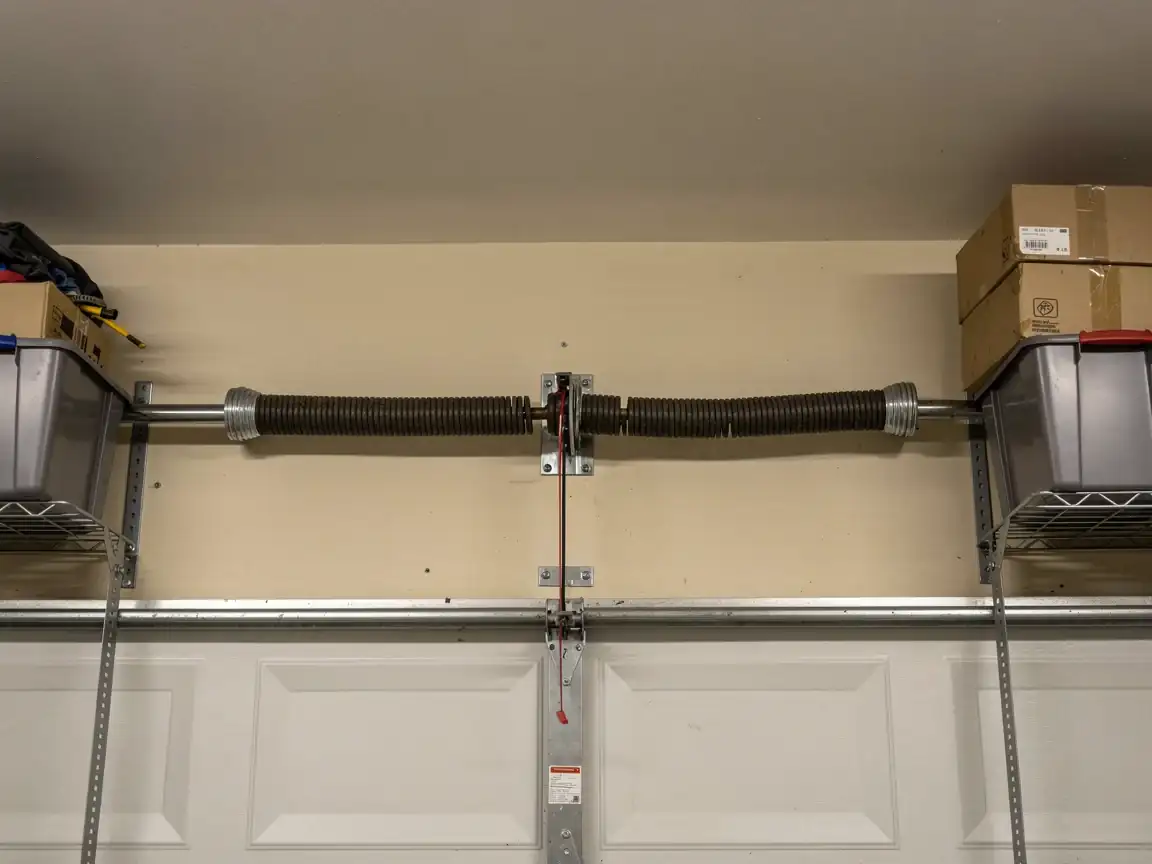
The telltale sign is a door that won't lift, or lifts a few inches and stops, with a loud bang at some point beforehand that homeowners usually describe as a gunshot in the garage. That bang is the spring letting go, usually a torsion spring mounted above the door on a shaft, less often a pair of extension springs over the tracks.
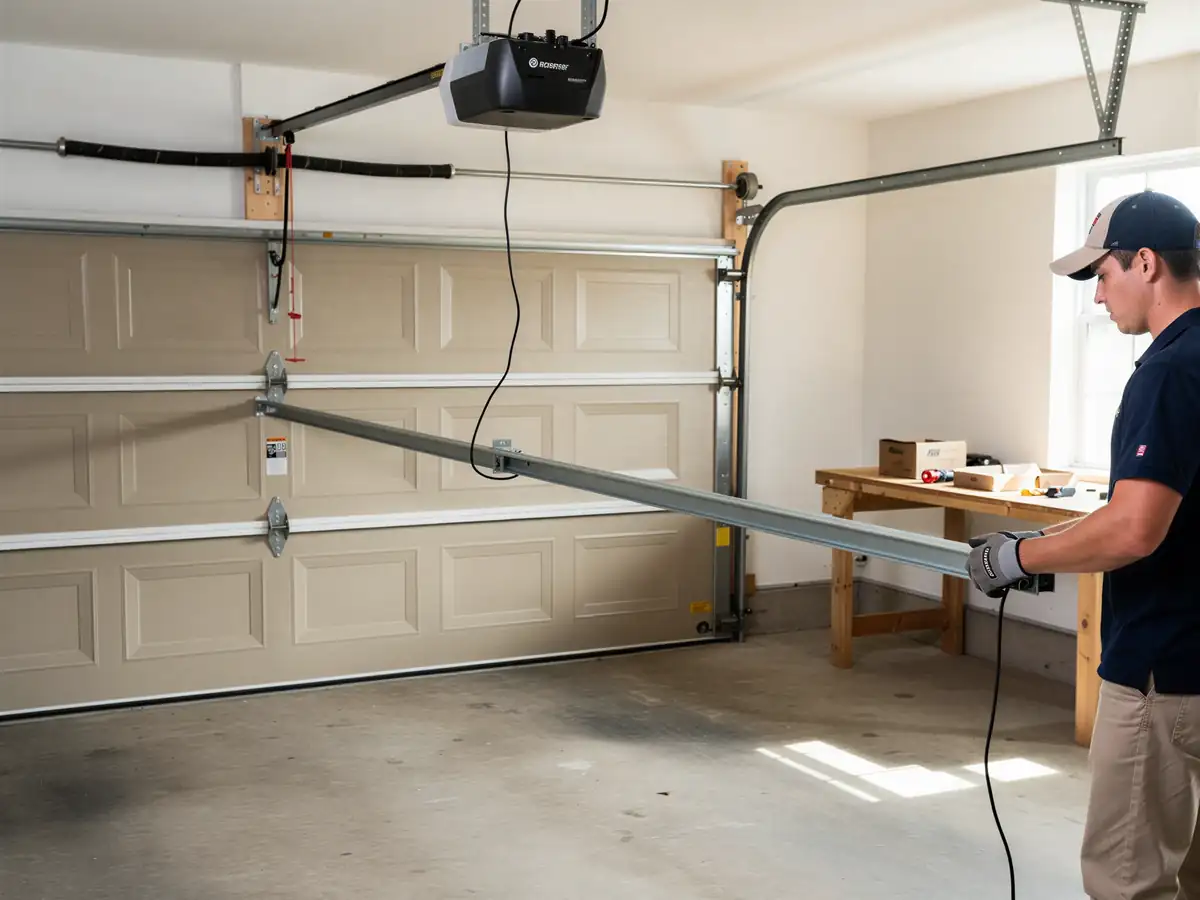
You'll also see a door that feels unbalanced - heavier on one side, or one that slams down instead of lowering smoothly. That's a spring losing tension before it fully fails. If the opener is straining, clicking, or reversing on its own, don't keep running it through the cycle. The opener isn't built to lift the door's full weight by itself, and a spring failure is the single fastest way to burn out a motor that was otherwise fine.
Doing It Yourself
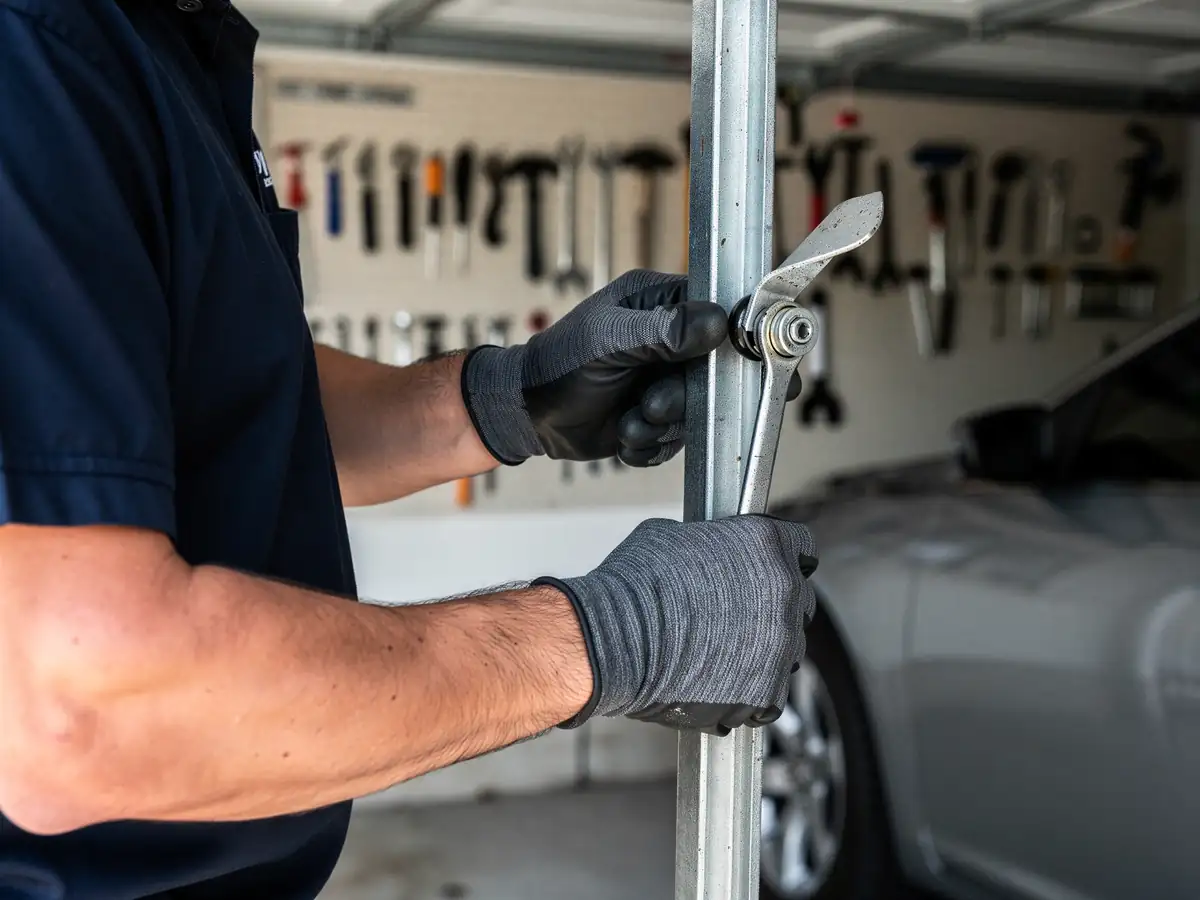
We'll say this straight: don't. A wound torsion spring holds enough stored force to break fingers, and the winding bars and clamps that do the job safely aren't something most garages have lying around. Extension springs are a little more forgiving but still carry enough tension to send a cable whipping if it slips.
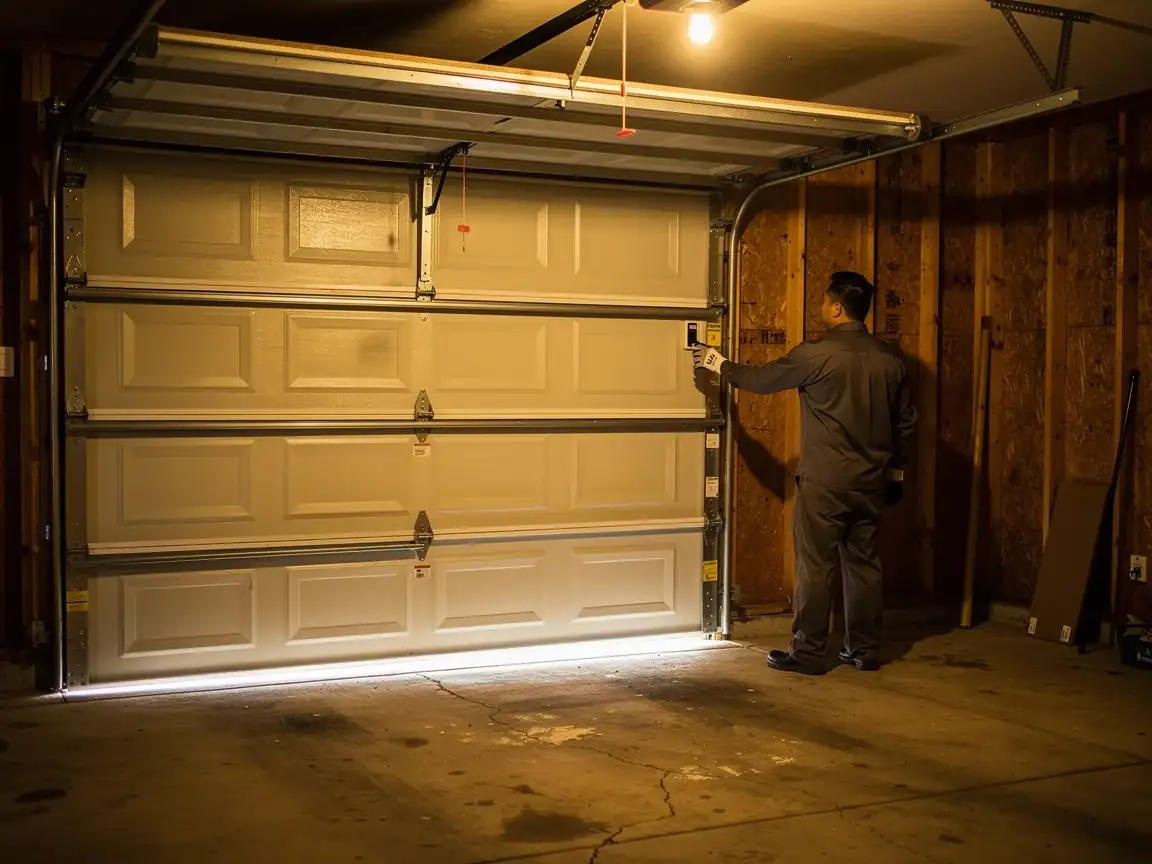
What you can safely do yourself is diagnose. Pull the emergency release, lift the door by hand, and feel whether it's heavy on one side or won't hold its position at all - that tells you whether you're dealing with one spring or two, and whether it's worth a same-day call versus scheduling ahead. With median household income in the area around $65,321, we get it that a service call is a real cost, and we'll always tell you if a $40 part fix beats a full spring swap. We just won't walk you through doing the swap yourself over the phone.
What Causes It Around Here
Housing across this service area mostly went up between 1966 and 1992
With the heaviest concentration in the 1980s and 90s and a median build year of 1991. That matters for springs specifically because builder-grade torsion springs from that era were sized to a cycle count, not to last forever, and a huge share of the 4,430 owner-occupied houses out here are still running on either the original spring or a first replacement that's now also aging out.
- 4,430 owner-occupied
The area's climate band runs cold-moderate, and that swing matters more than people expect
Steel that's already fatigued from decades of cycling gets less forgiving when temperatures drop, and a spring that's been limping along all fall tends to let go on the first hard cold snap rather than in the middle of summer. So the pattern we see isn't random - it's older builder-grade torsion springs, on houses from that same construction wave, failing at the point where age and cold overlap. Newer doors with upgraded spring systems don't show up on these calls nearly as often.