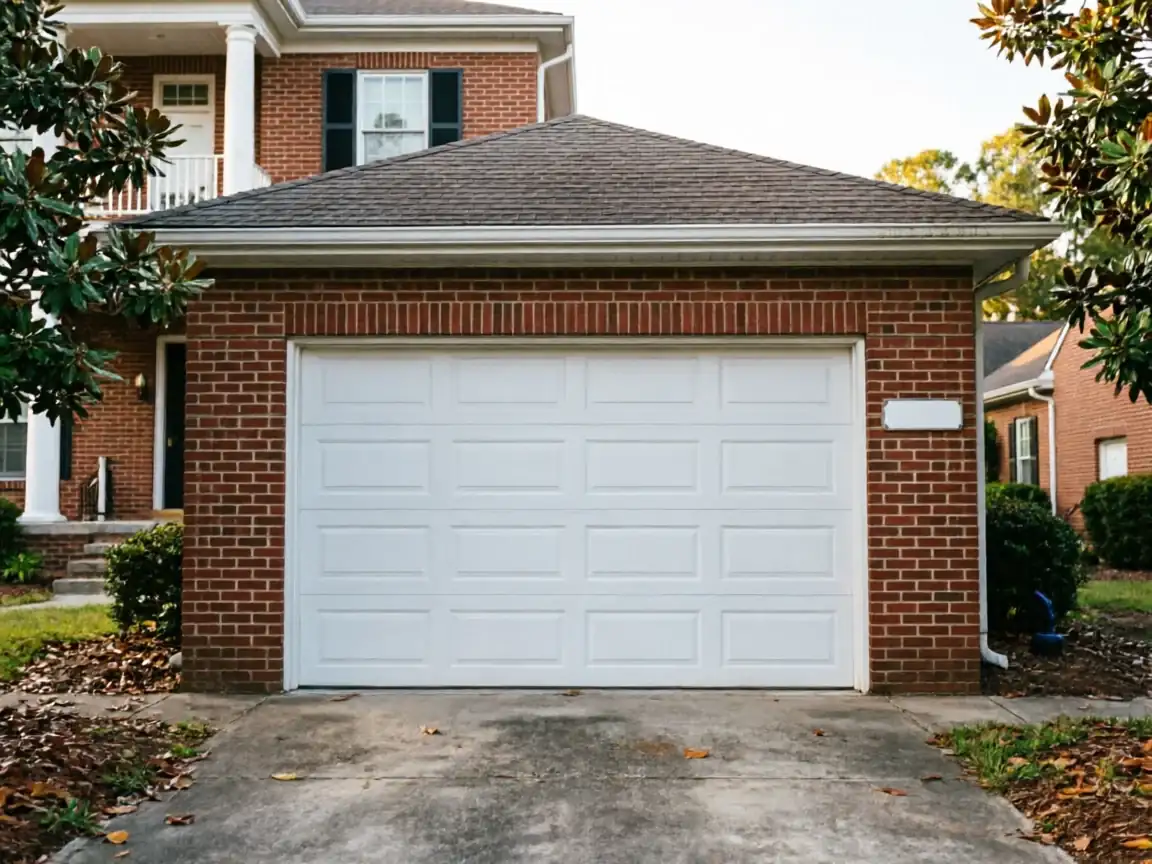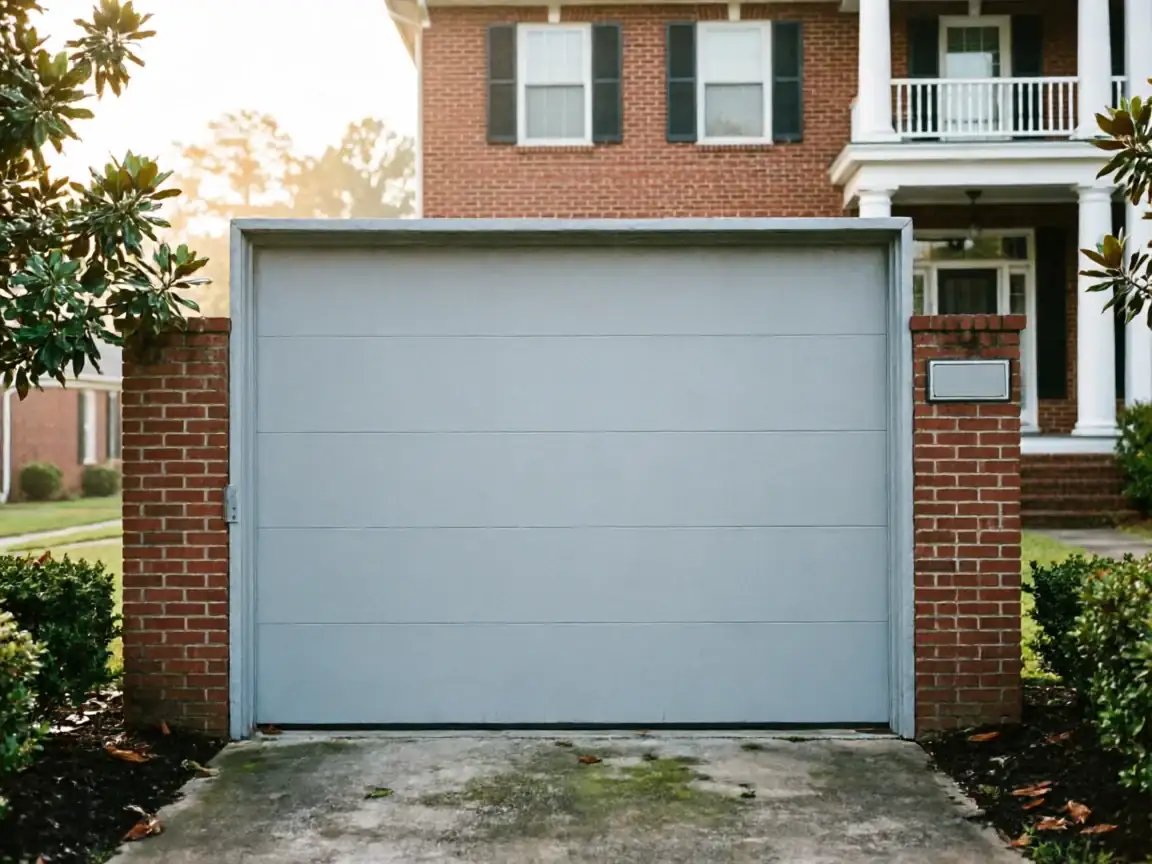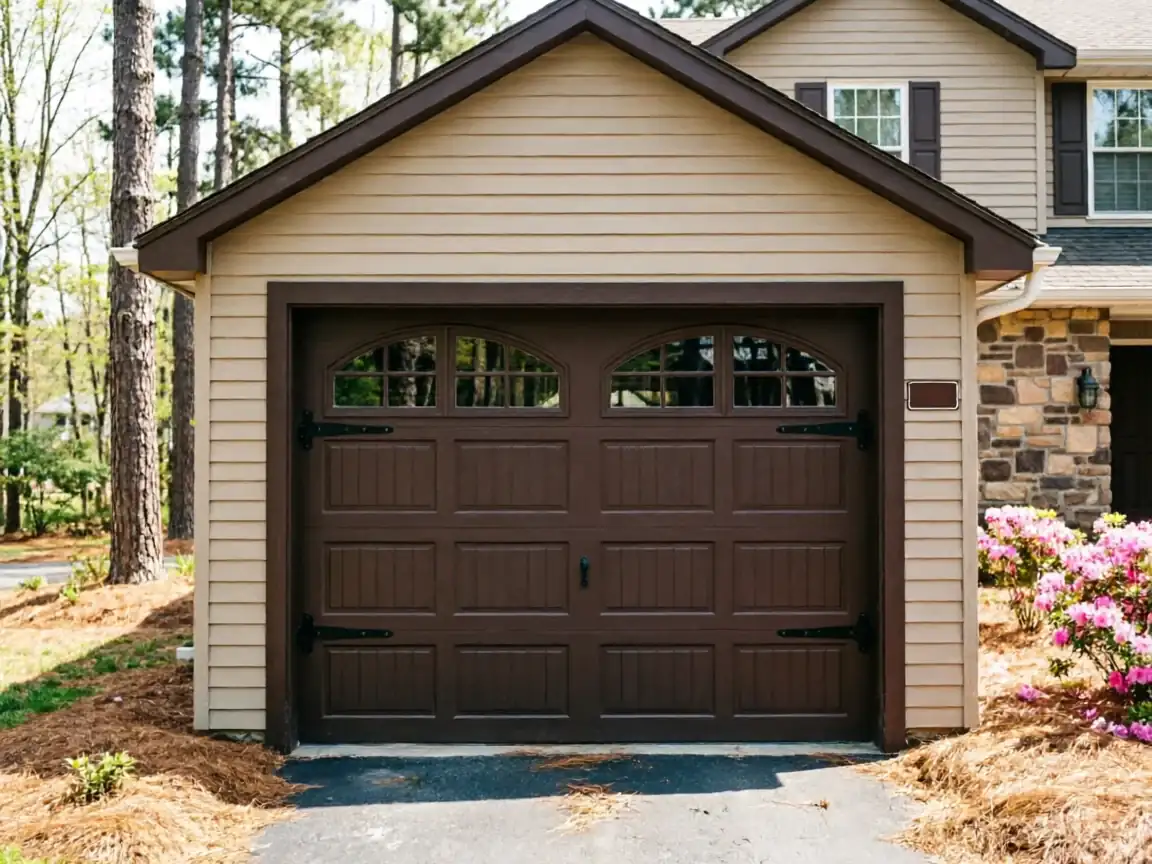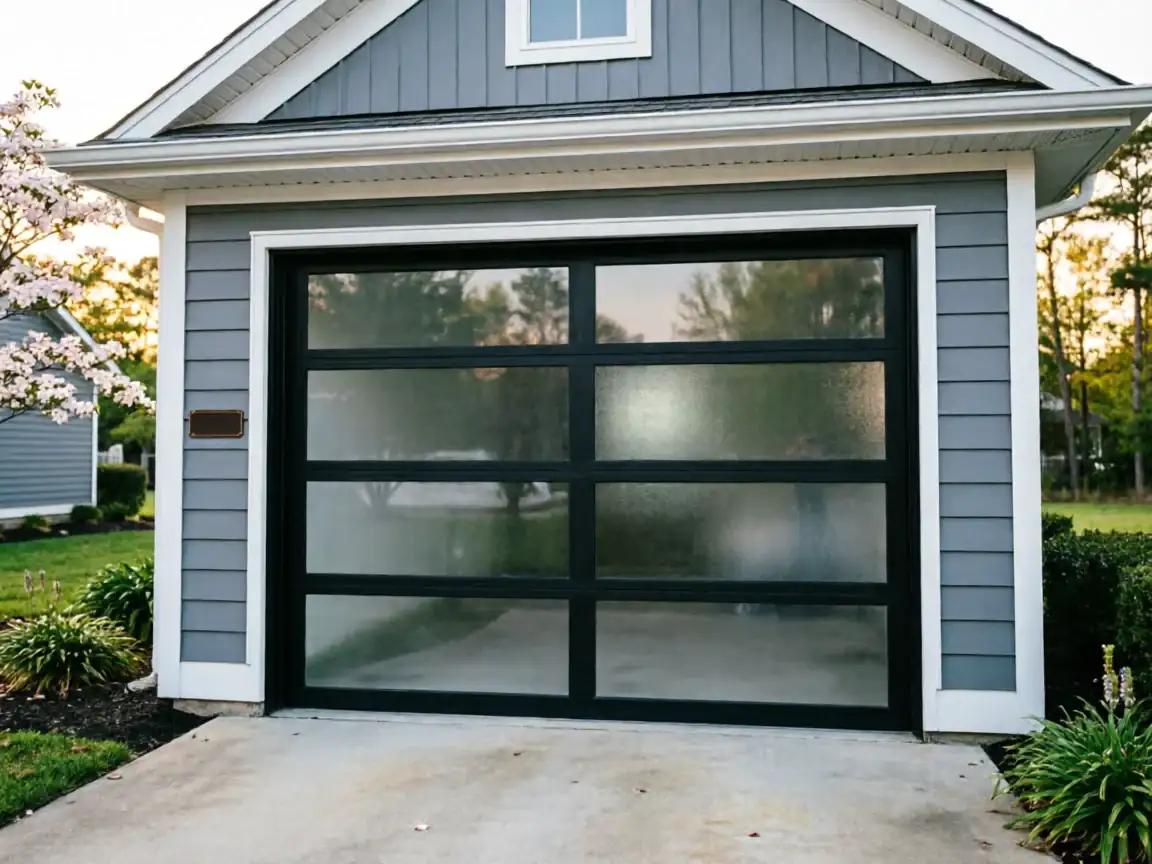
Parts We Carry
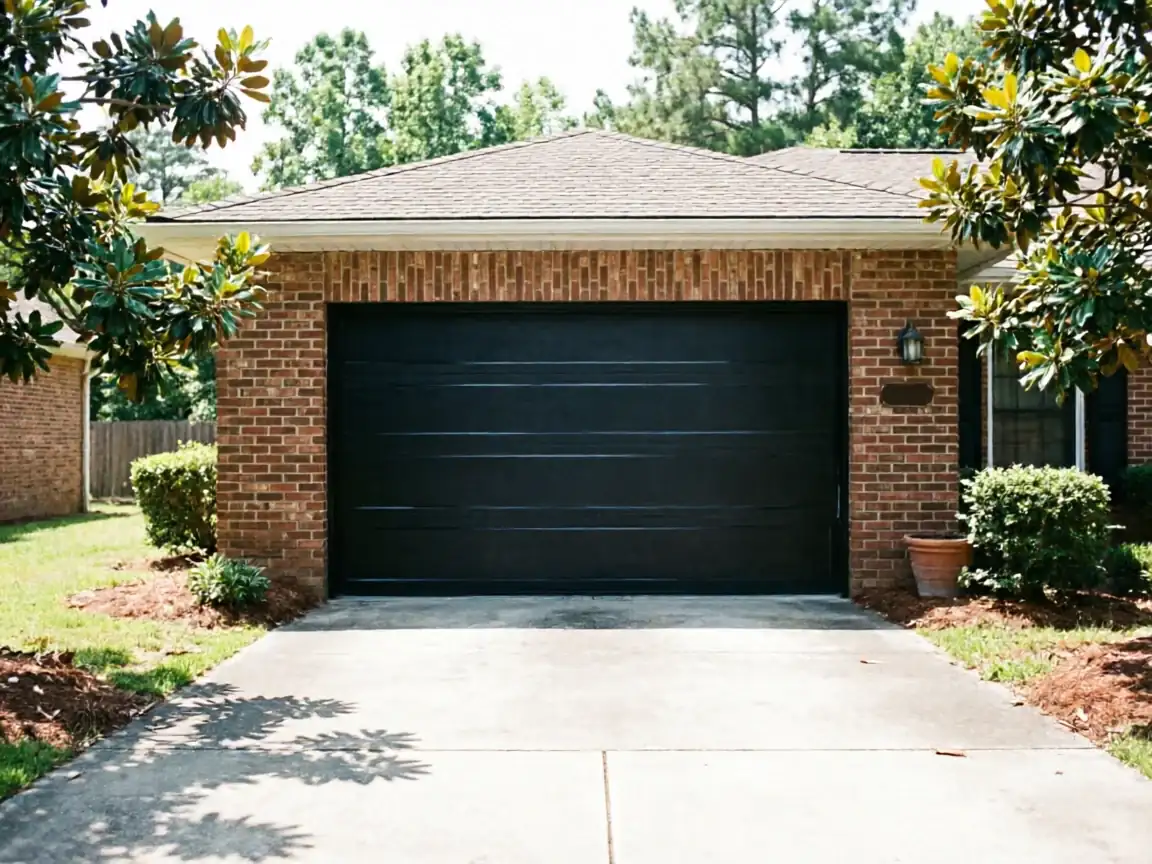
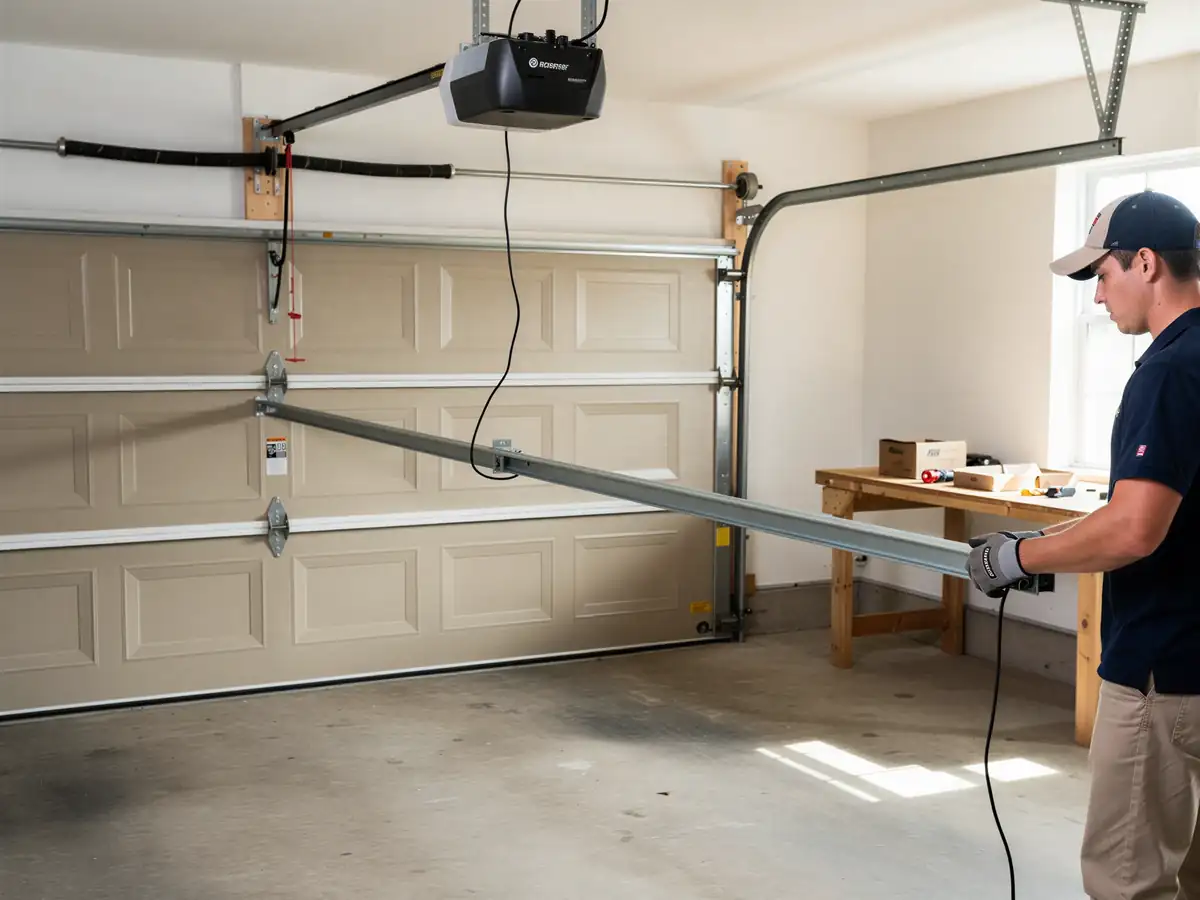
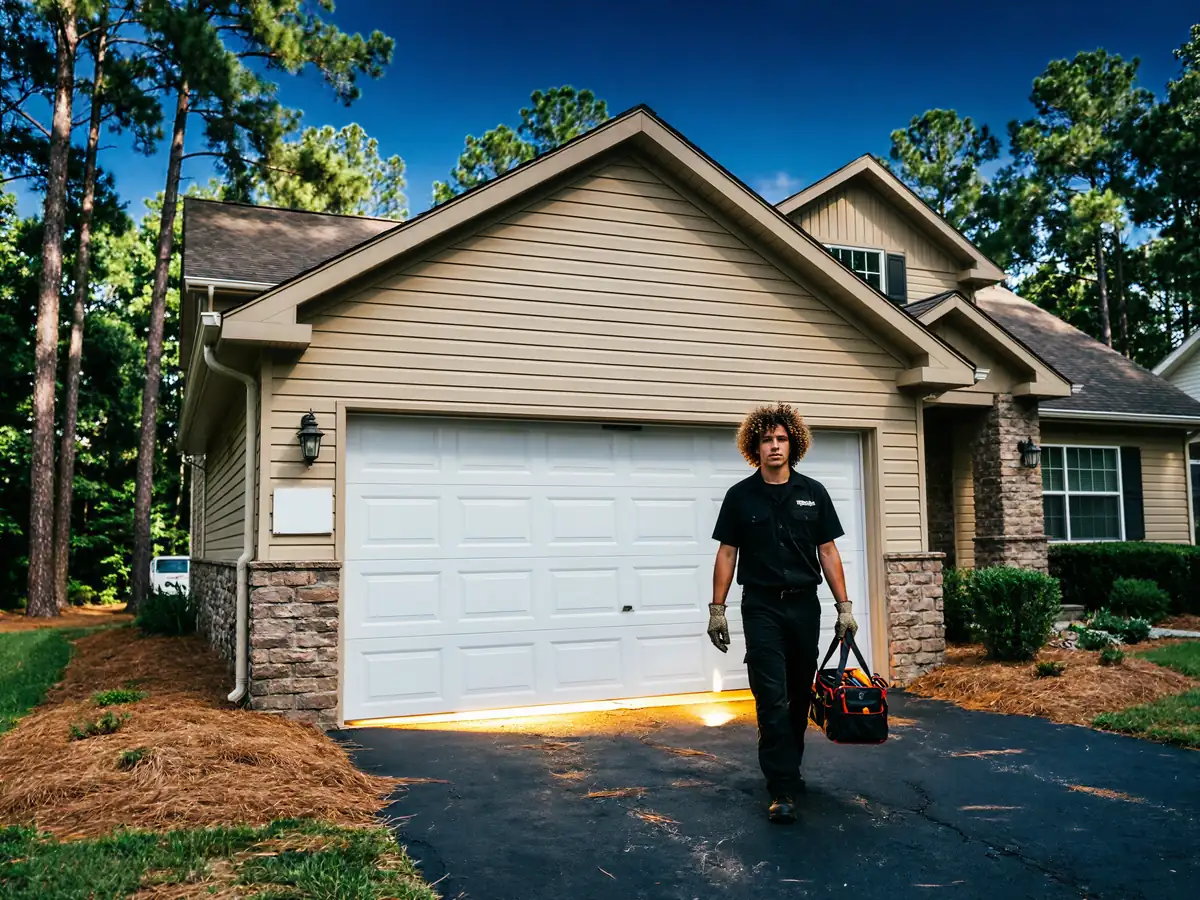
The truck that comes out from Suffolk carries standard track sections, rollers in both steel and nylon, and hinges and brackets sized for residential sectional doors, which covers the bulk of off-track calls regardless of the house's age. Where it gets slower is when a Franklin door still has its original track gauge from a 1966-era build - thinner steel than what's standard today - and the bracket spacing doesn't match current stock. That's not common, but it happens on houses that have never had the door touched since it went in. When it does, we may need to order a matching piece rather than swap one off the truck, which adds a day or two. We'd rather tell you that up front than have you wait on a part we didn't mention.
Doing It Yourself
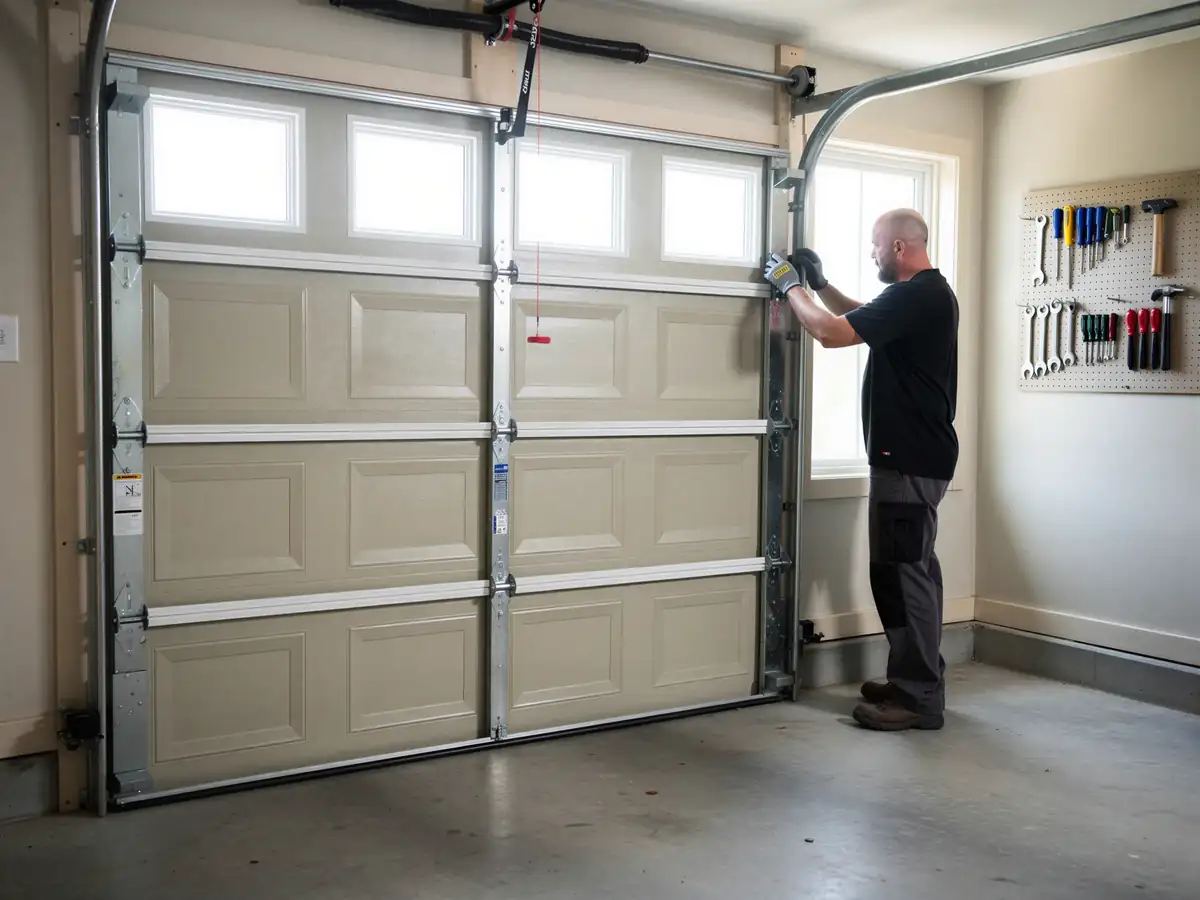
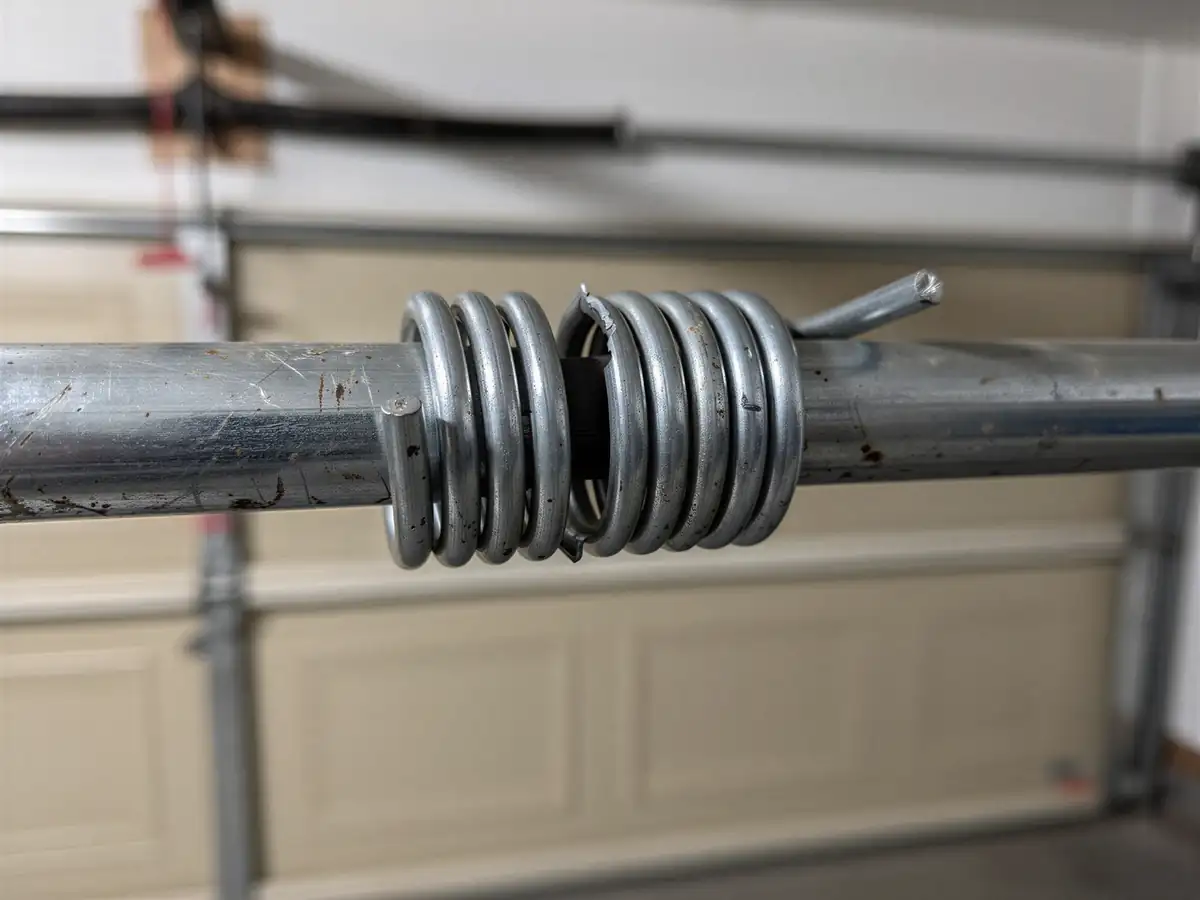
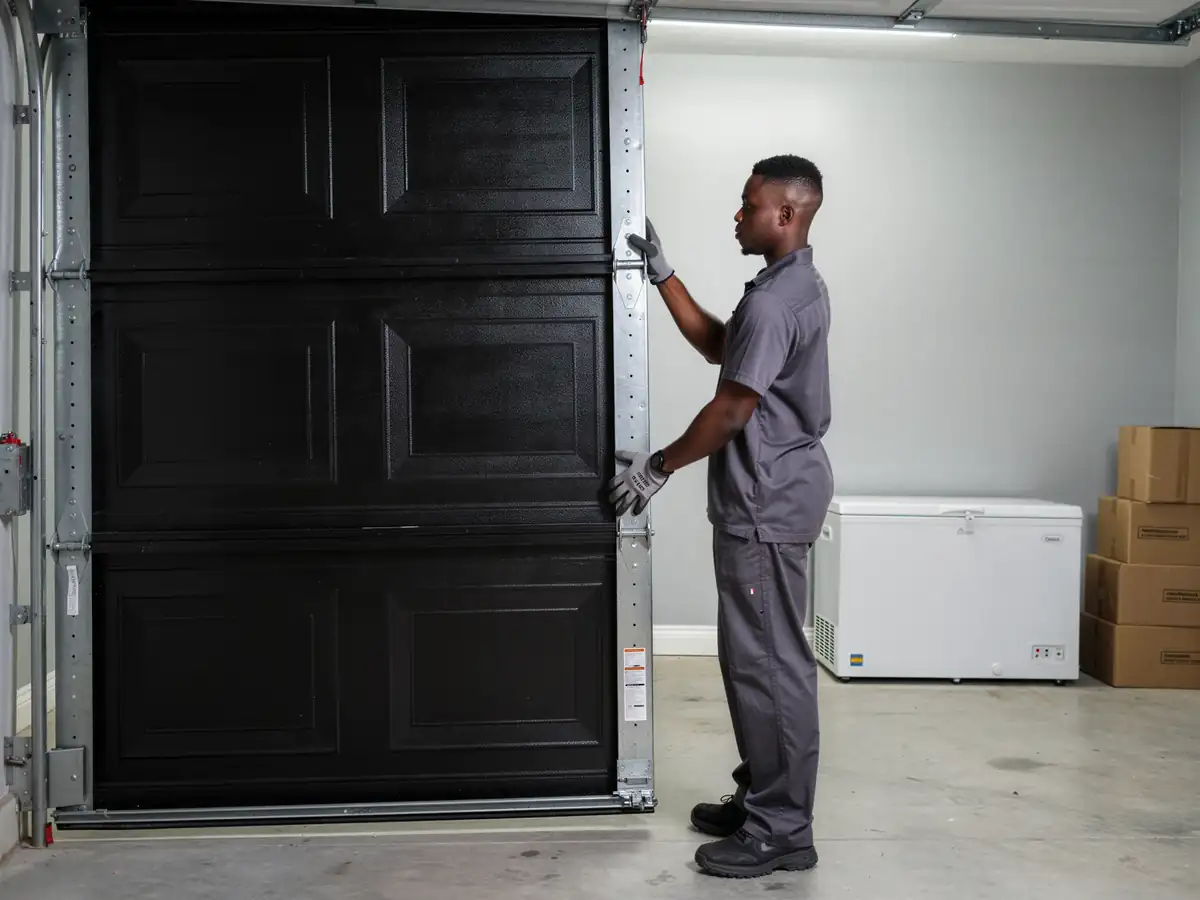
If the door came off the track but the opener still raises and lowers it a little, the first thing worth checking yourself is whether something is physically blocking the roller path - a bent bracket, a dropped ceiling anchor, debris in the track. If you can see daylight between the roller and the track on one side, don't force the door up or down by hand or with the opener. That's how a track that's just bent gets wrenched clean off the wall, or how a cable that's slipped gets cut. Franklin households run a median income around $65,125, similar to the rest of the service area we cover from Suffolk, and we understand the instinct to save the trip and fix it yourself. The honest limit: if the door is off on both sides, or a cable is visibly off the drum, that's not a DIY job - the door is under spring tension and it can come down fast.
What Can Go Wrong
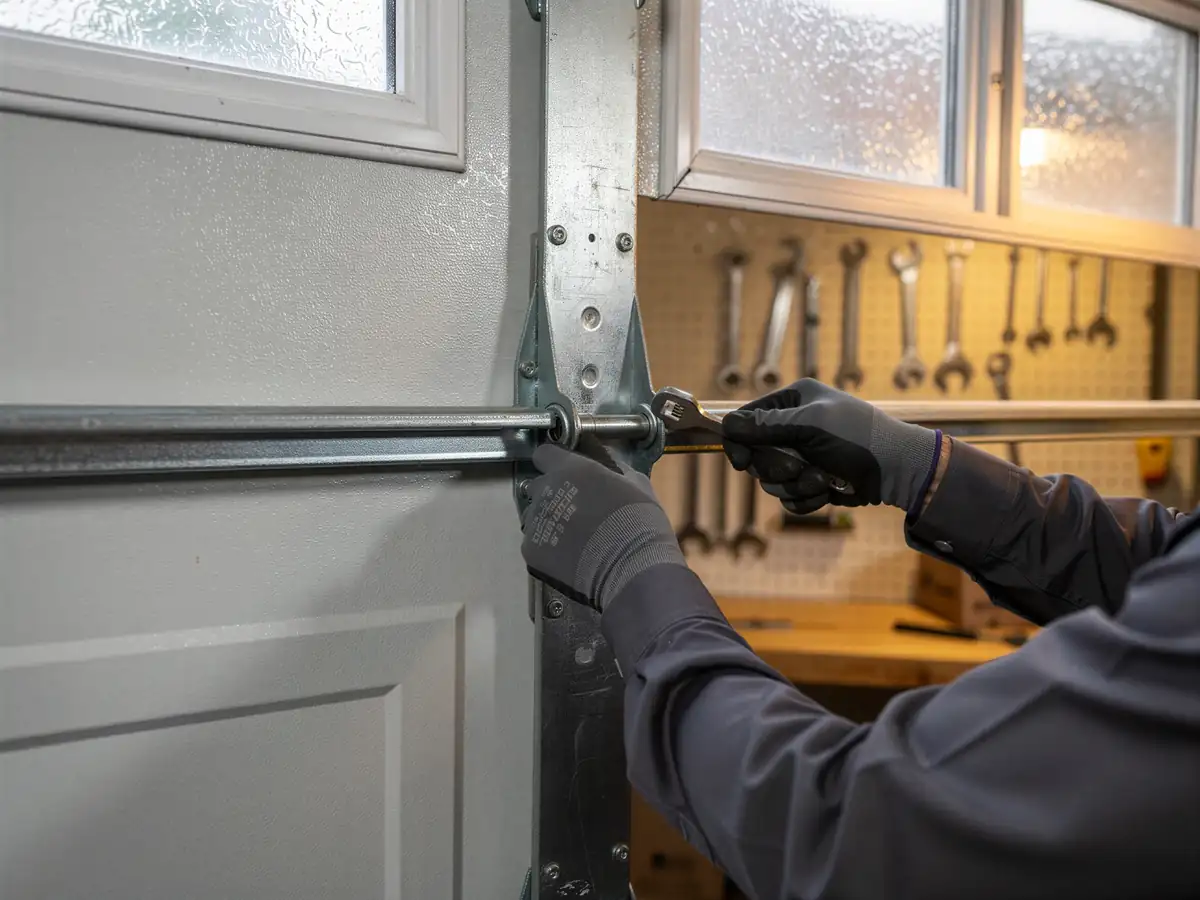
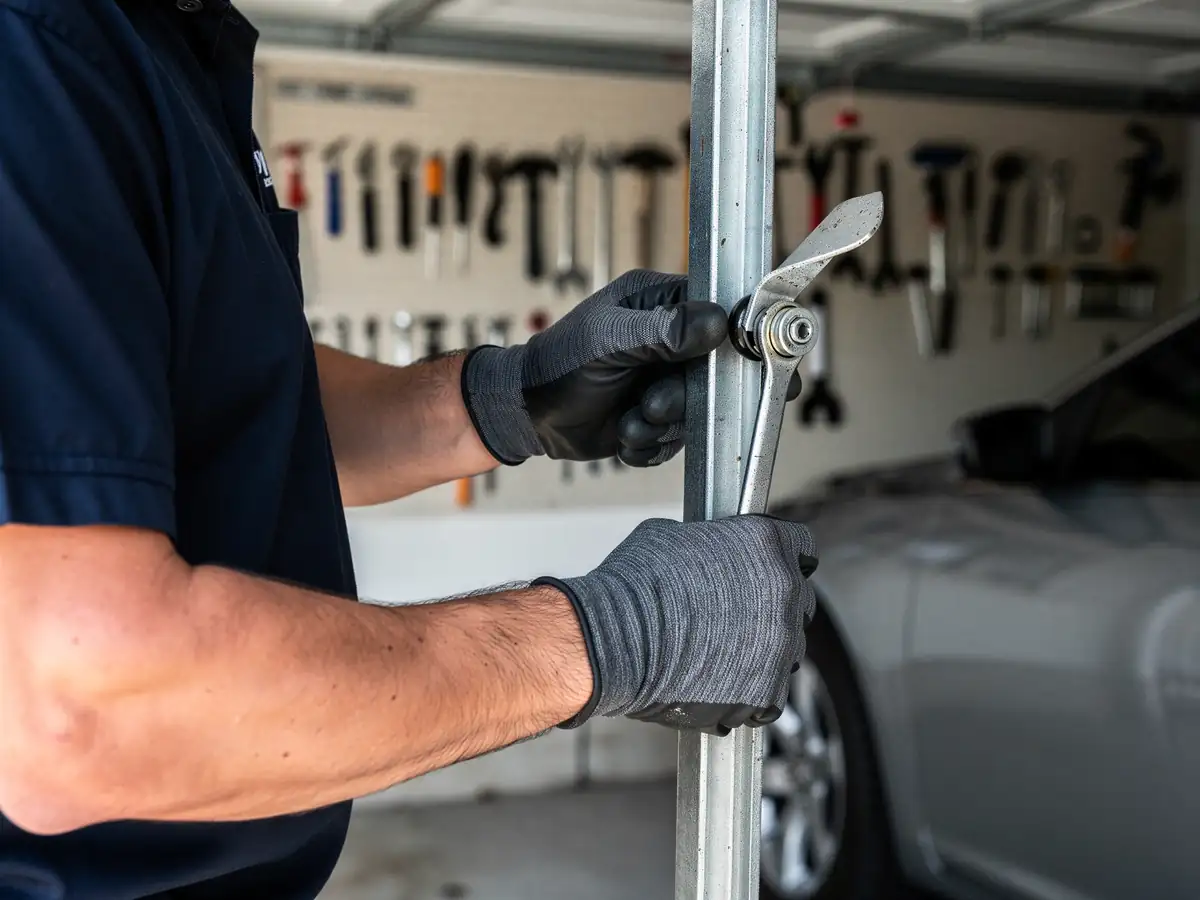
The climate here runs cold-moderate, enough for freeze-thaw cycles that work on steel track fasteners and wood jambs over the decades. On a door that's never had the track hardware replaced since the mid-to-late 1960s, that's a long run of seasonal movement on the same lag bolts. The jamb wood around them can get soft enough that a bracket pulls loose under normal use, not because anything hit the door. If that's what's going on, resetting the bracket into the same soft wood just means it comes loose again in a year. The right fix there is sistering in solid wood behind the jamb before the bracket goes back in, which is more work than a standard track repair but holds.