What You Pay
Franklin's median household income sits at $65,125
Close to the wider service area figure of $65,321. That number matters here because it's usually what decides whether a homeowner repairs an old door one more time or finally replaces it. At this income level, a lot of folks have been patching the same door for years - a new roller here, a cable there - and the math eventually flips toward a new installation being the better spend than another round of parts and labor on a door built in the 1960s.
We don't have a flat price to quote you in this space
Because every opening is different and we're not going to make one up. What we can tell you is that the decision point for most Franklin households isn't "can I afford a new door," it's "has this door already cost me more in repairs than a new one would run." If you've called out a tech twice in the last two years for the same door, that's usually your answer.
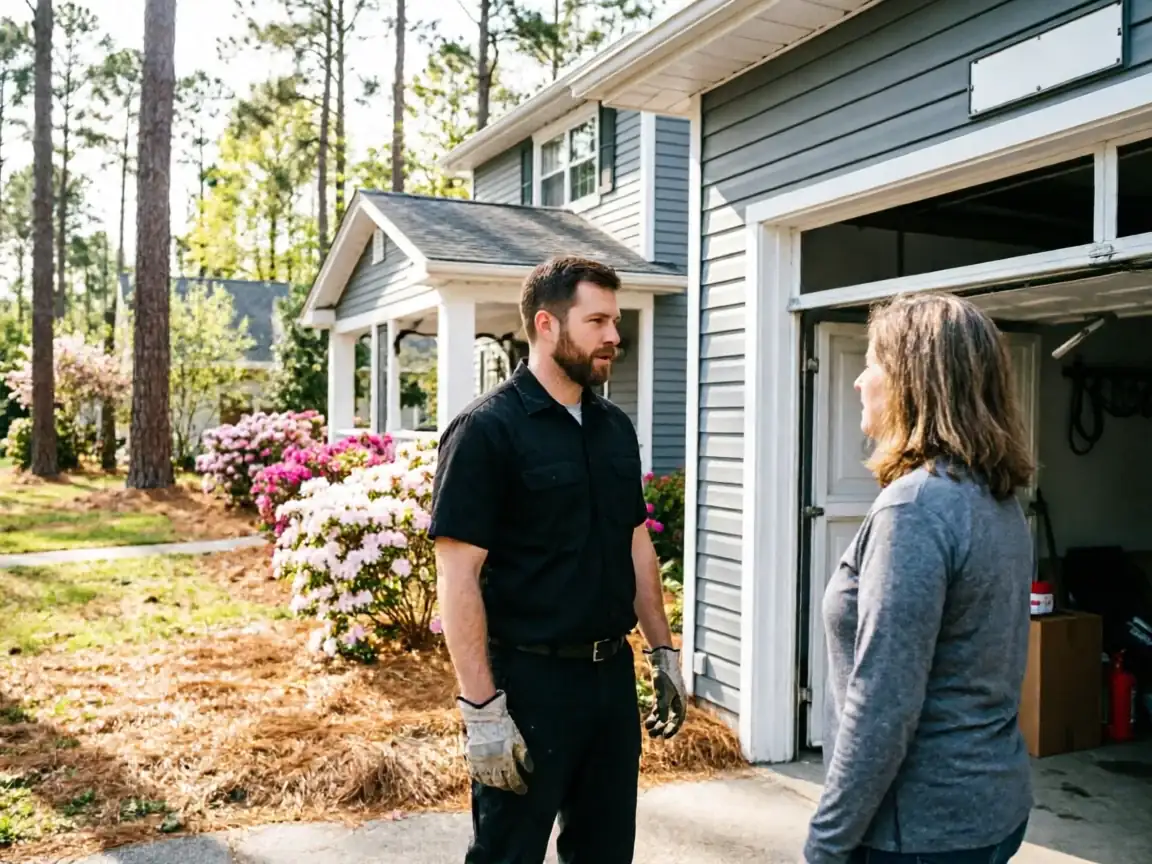
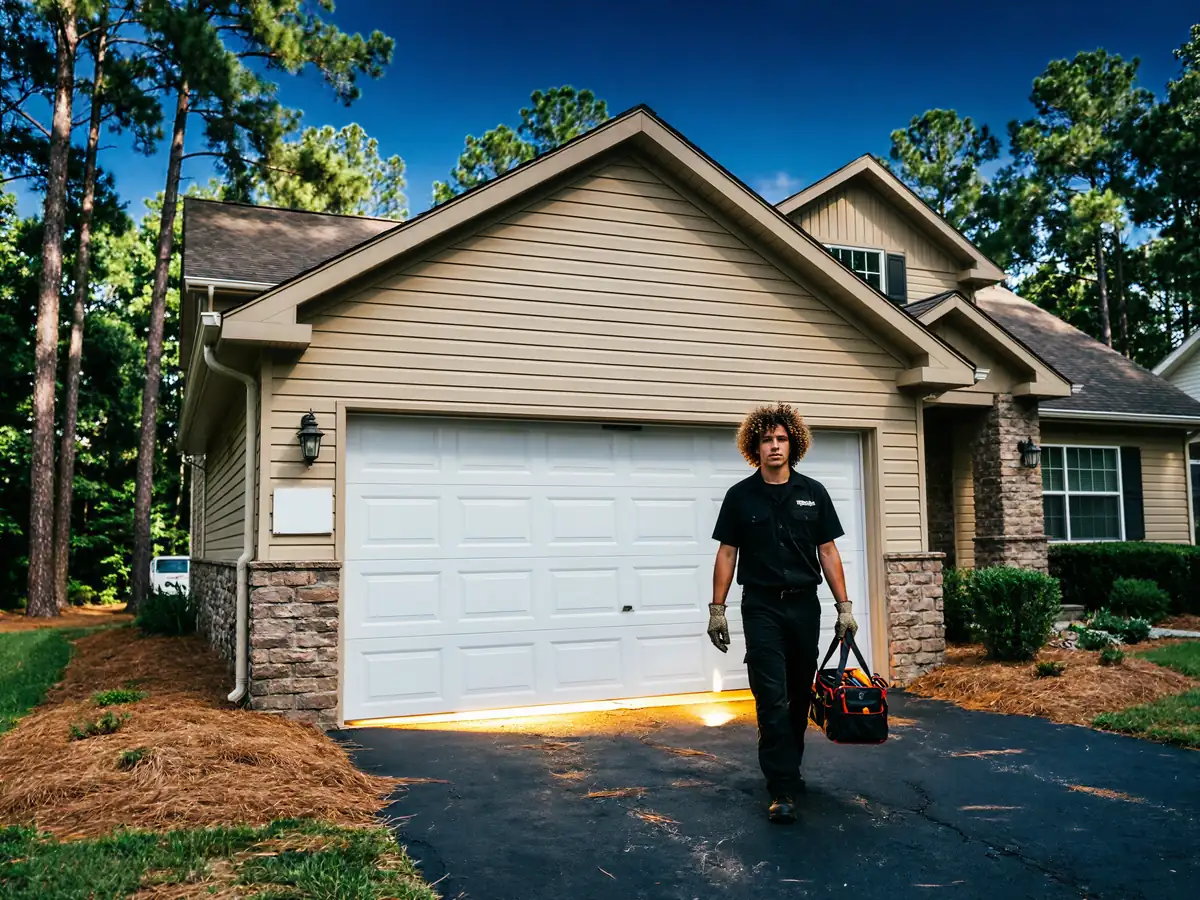
We travel from Suffolk to handle this work, about 17 miles each way
So we schedule the visit rather than drop by on short notice.
- 17 miles
Parts We Carry
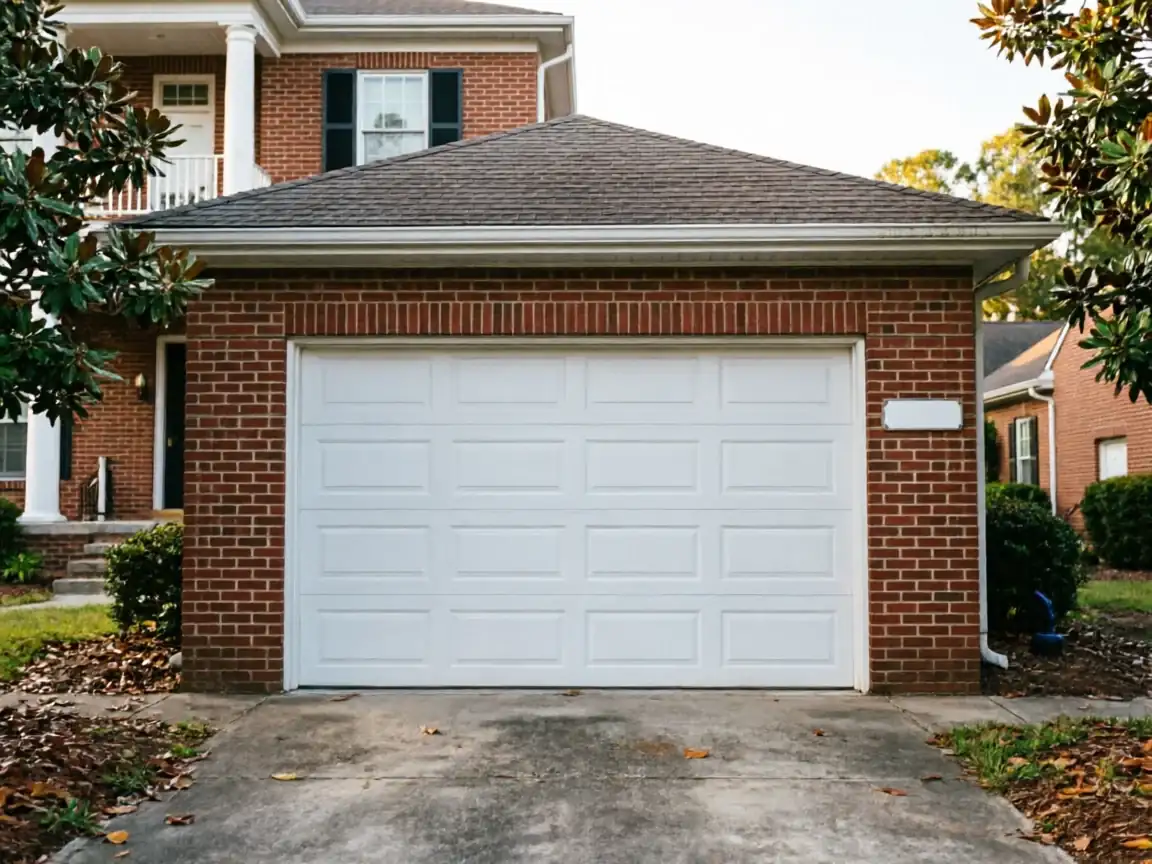
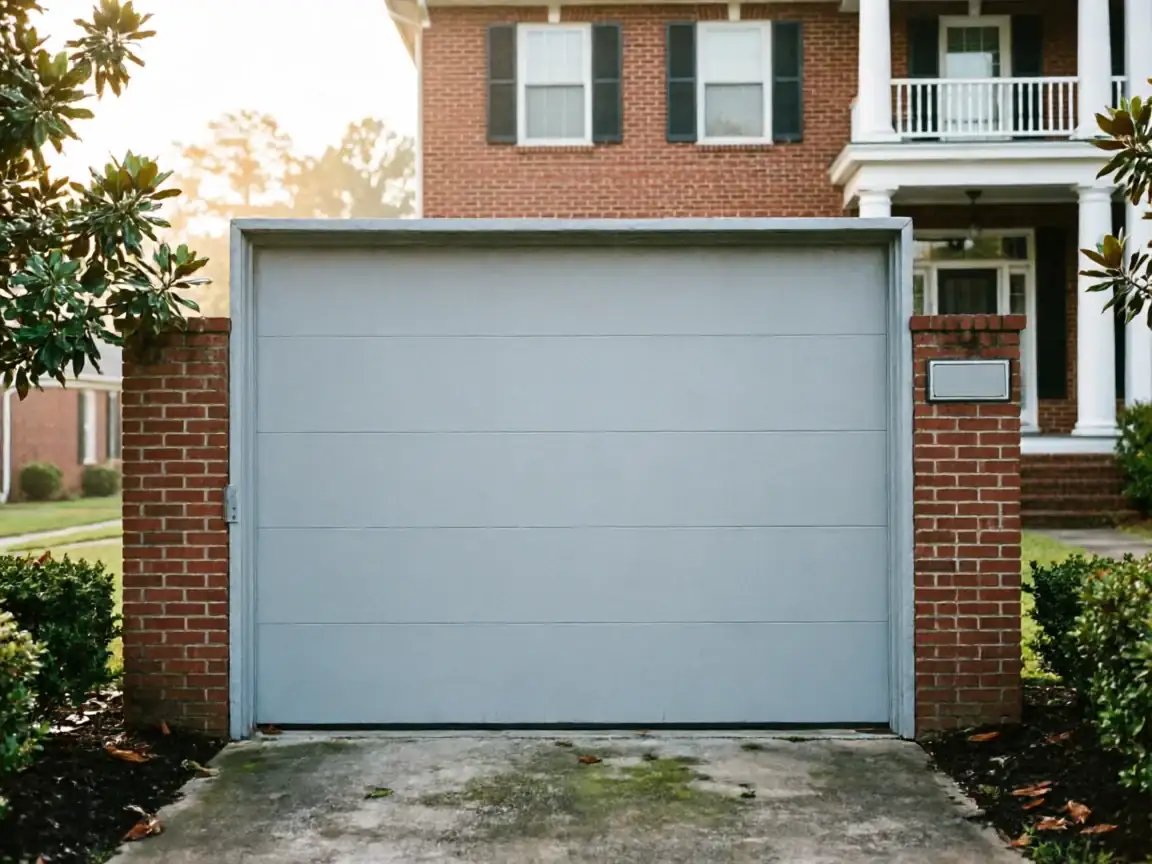
The service area's housing stock runs 1966 through 1992, with a median build year of 1991 - but Franklin sits at the early edge of that window, clustering around 1966 itself. That matters for installation because older openings were often built for narrower doors and lighter, uninsulated panels. We stock hardware and door panels sized to fit both the original framing you're likely to have and the wider openings more common in newer construction, so we're not showing up with a one-size assumption.
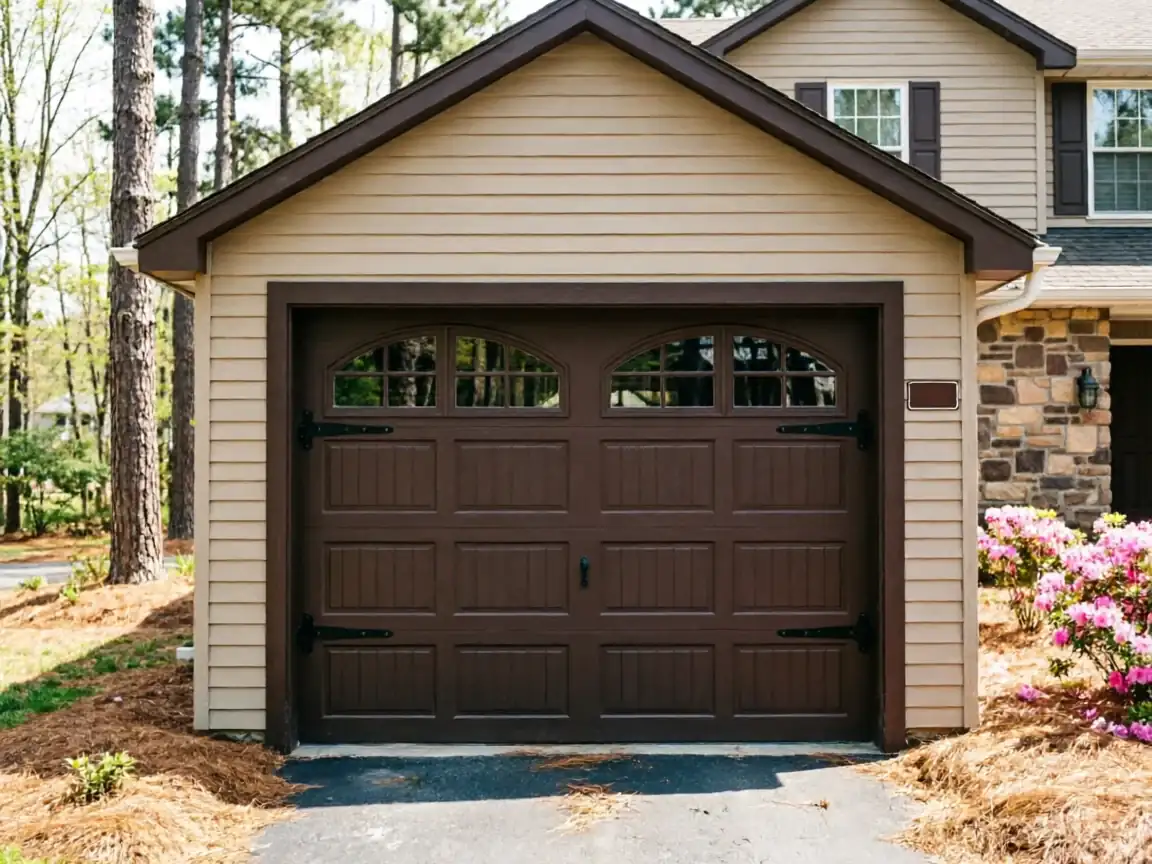
Given the climate band here runs cold and moderate, we carry insulated panel options as a standard offering, not an upsell - a lot of homes from this era were built with single-layer steel or wood doors that do nothing to block winter air from an attached garage. Swapping to an insulated door at install time is usually worth the conversation even if the main reason for the job is a broken spring or a door that won't track straight anymore.
We don't carry every brand or every custom size on the truck. If your opening needs a non-standard width, that part gets ordered, and we'll tell you that up front rather than promise a same-day fit.
Doing It Yourself
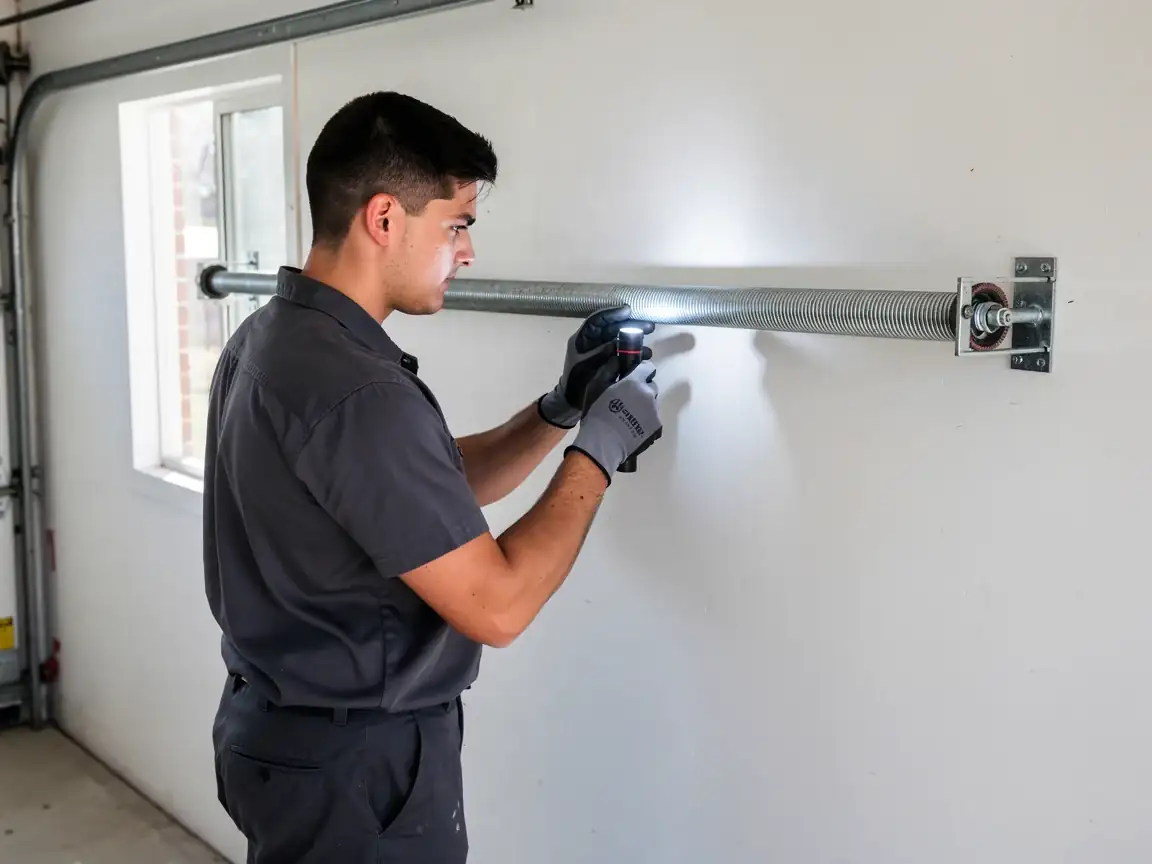
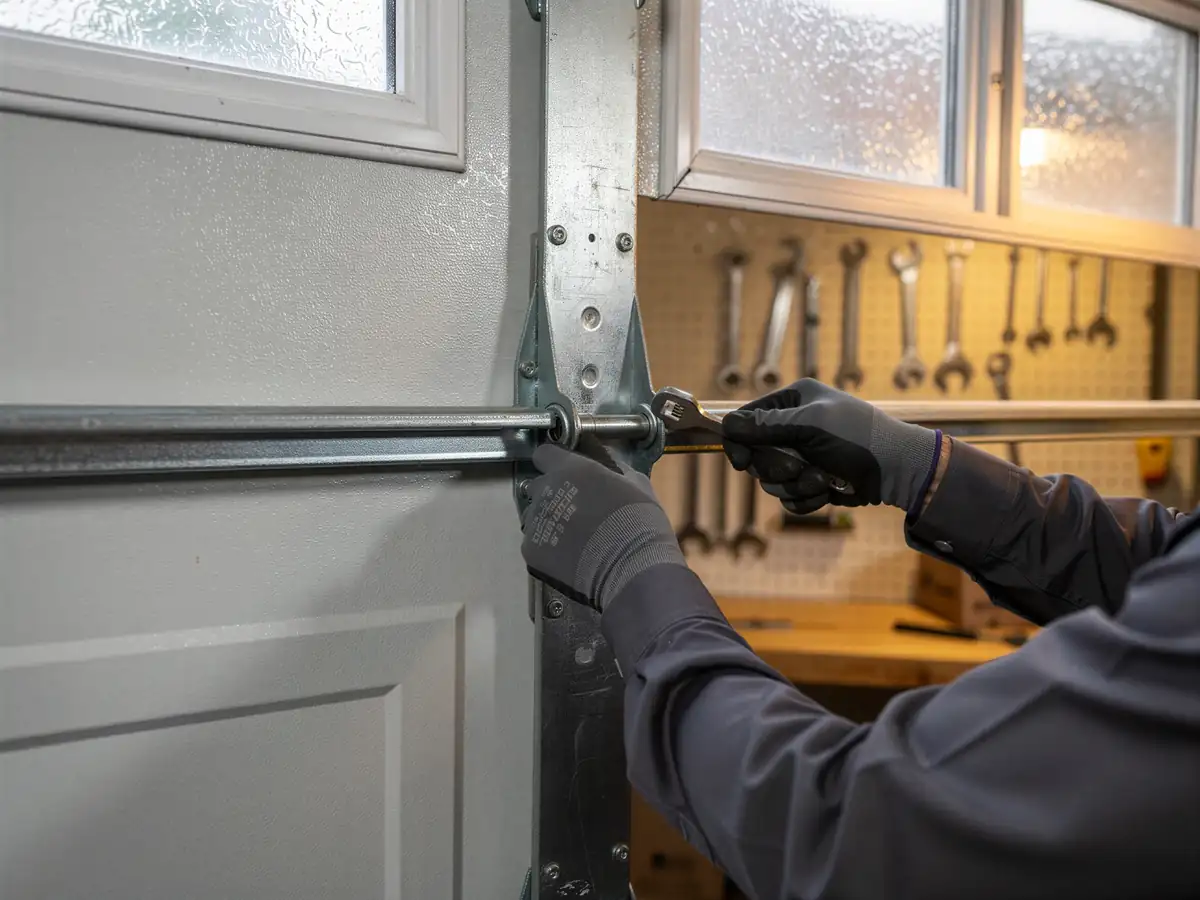
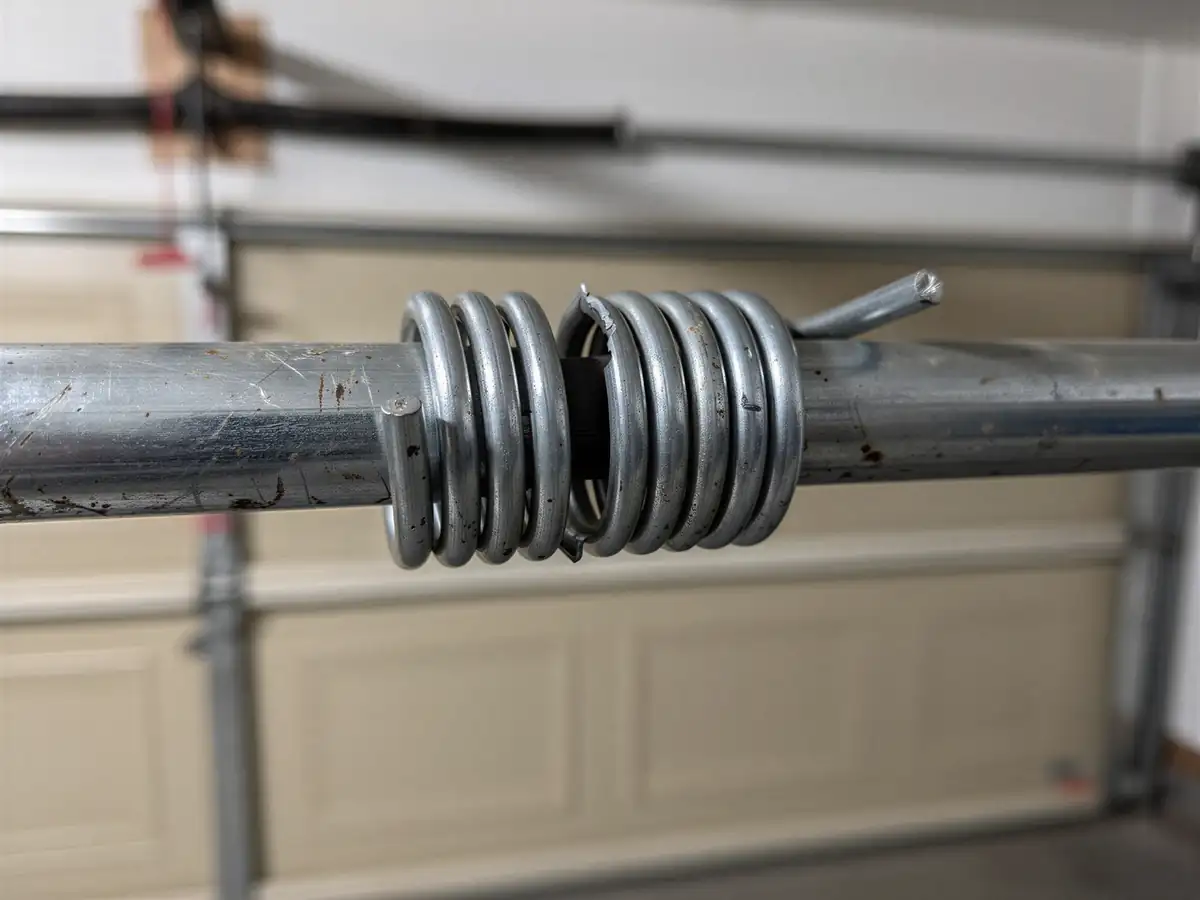
A new garage door install isn't a weekend project most homeowners should take on themselves, and that's doubly true on a house from the 1966 era. The torsion spring alone carries enough stored tension to cause a serious injury if it's wound or released wrong, and older track brackets are frequently lagged into framing that wasn't built to today's spacing standards - so even the mounting step isn't a straight swap.
If your opening is out of square, which is common on houses this age, a DIY install can leave you with a door that binds on one side or won't seal at the bottom, which defeats the point of upgrading in the first place. We've seen enough of these to know that squaring the frame correctly the first time saves callbacks later.
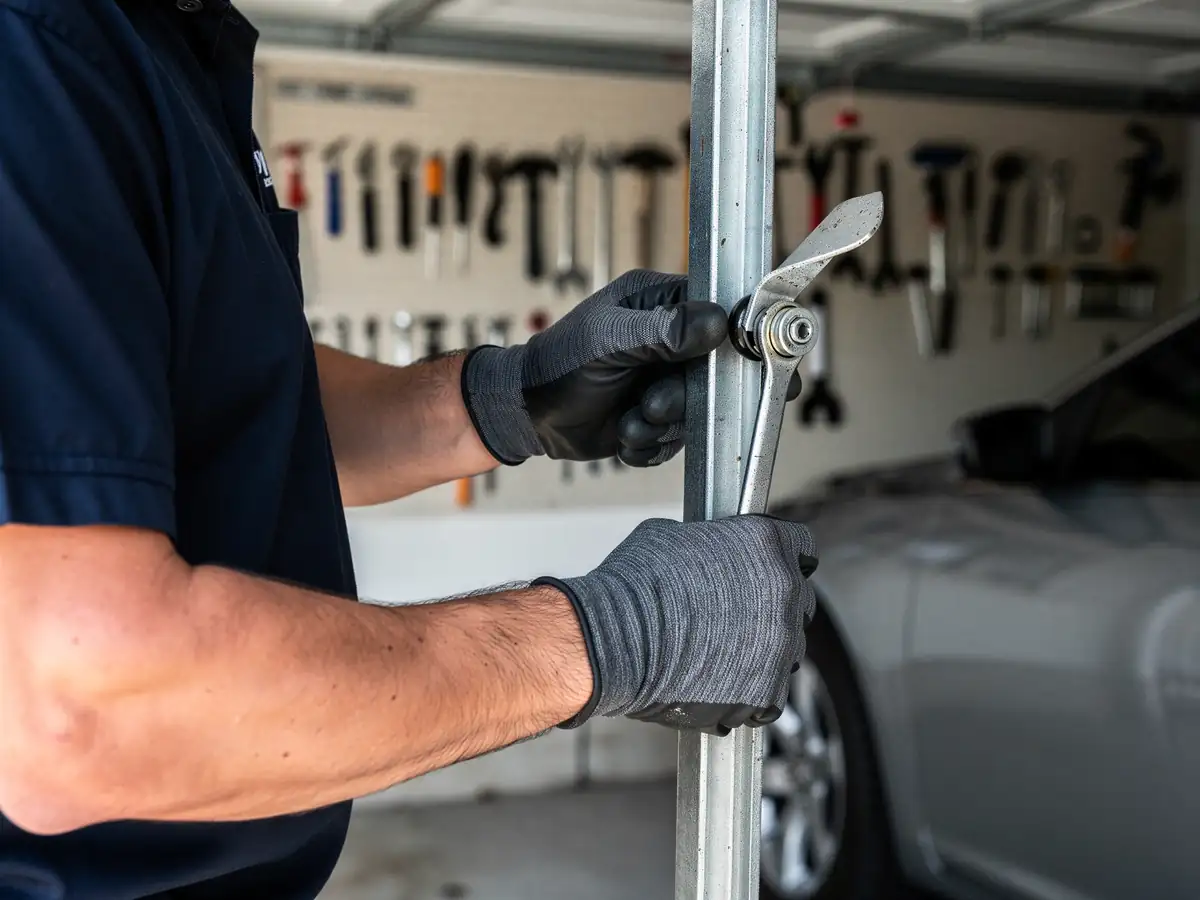
Where DIY makes sense: swapping weatherstripping, replacing a remote, or oiling rollers and hinges. Those are low-risk and don't require touching the spring system. The honest limit is the spring and track work - that's where we'd tell you to call rather than YouTube it.
What the Repair Takes
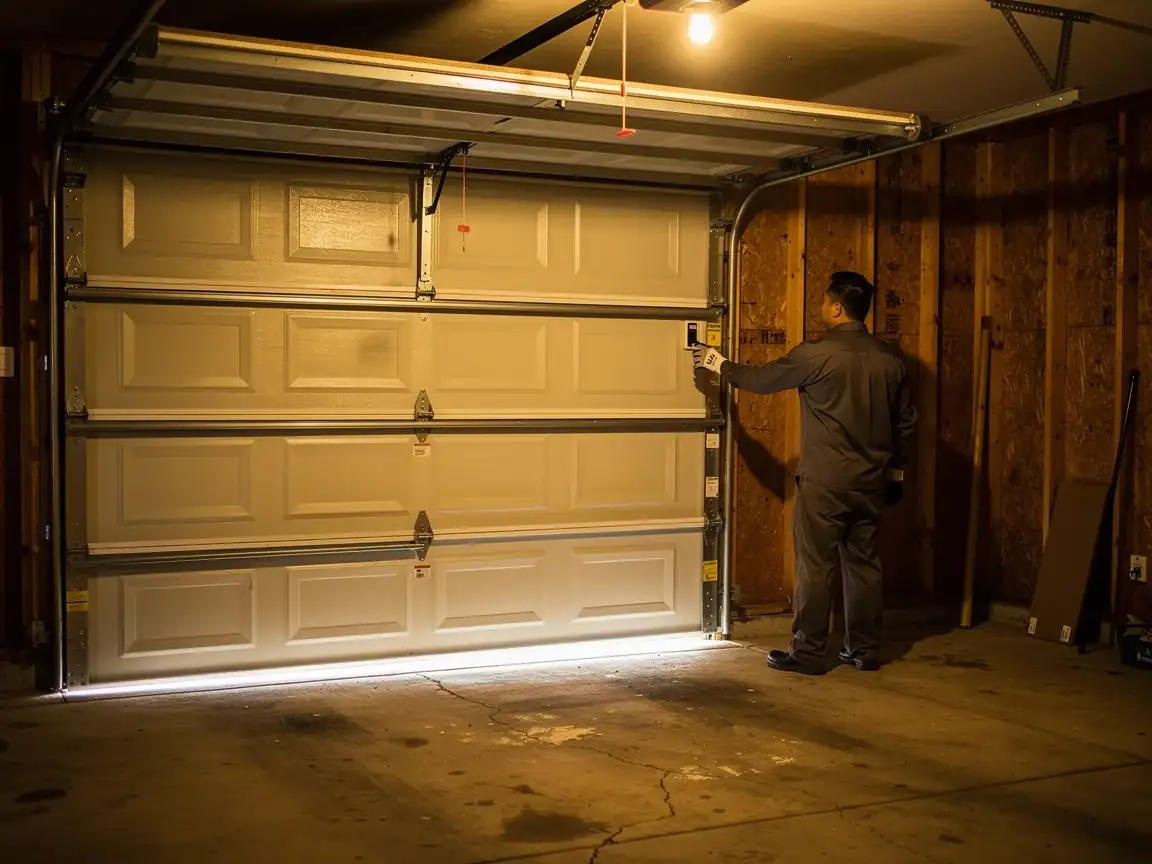
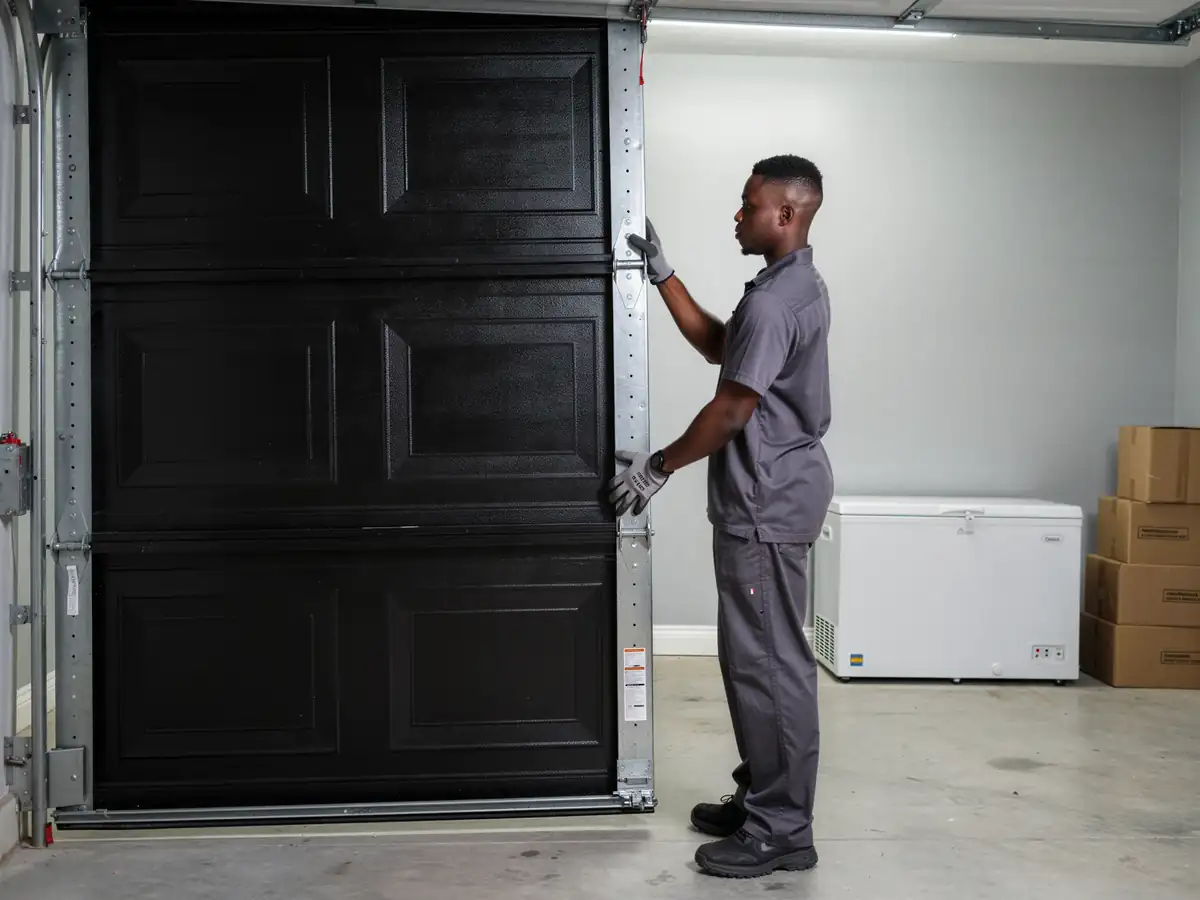
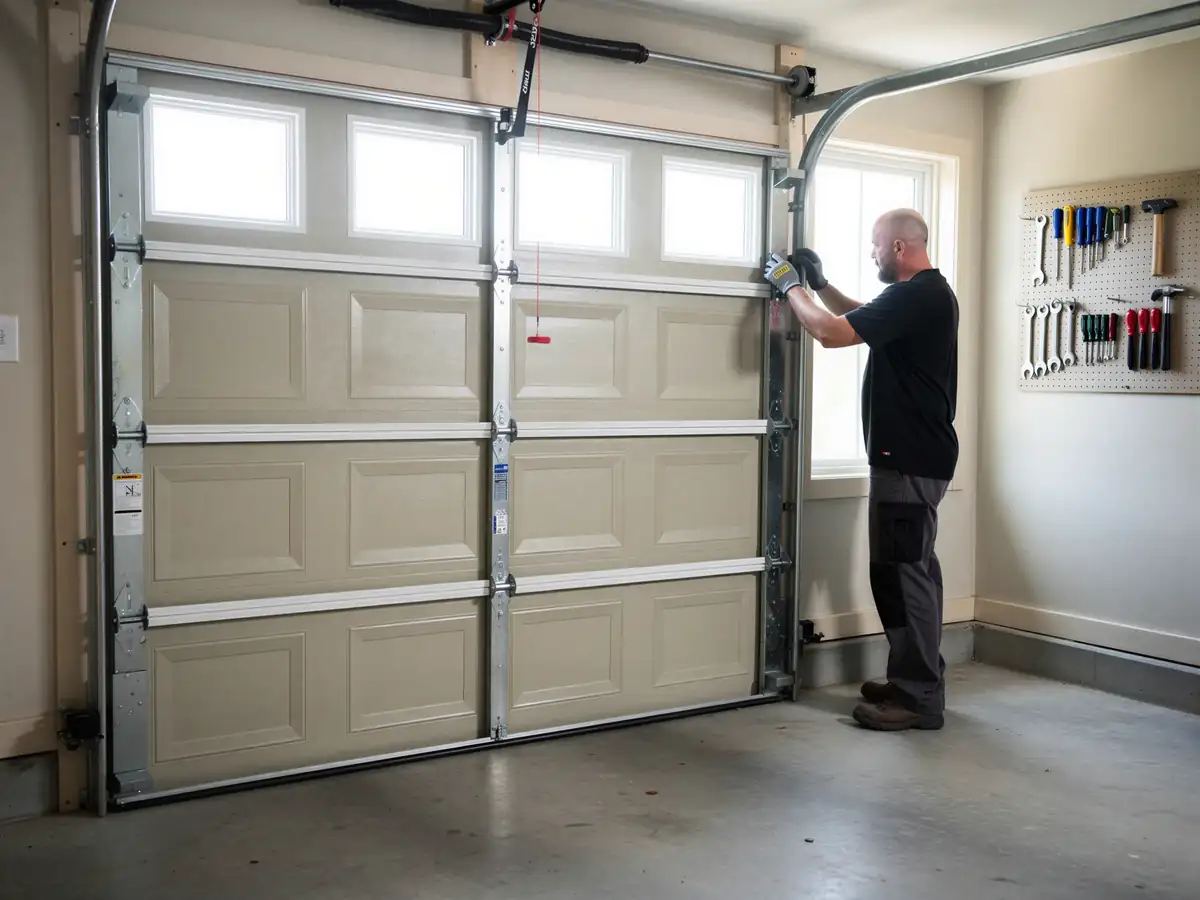
For a door install in Franklin, the job starts with pulling the old door and inspecting the opening itself
Not just measuring for a new panel. On a house built around 1966, that inspection often turns up framing that's shifted slightly out of square over the decades, or jamb wood that's soft enough to need reinforcing before new track goes up. Skipping that step is how you end up with a door that looks fine on day one and binds by month three.
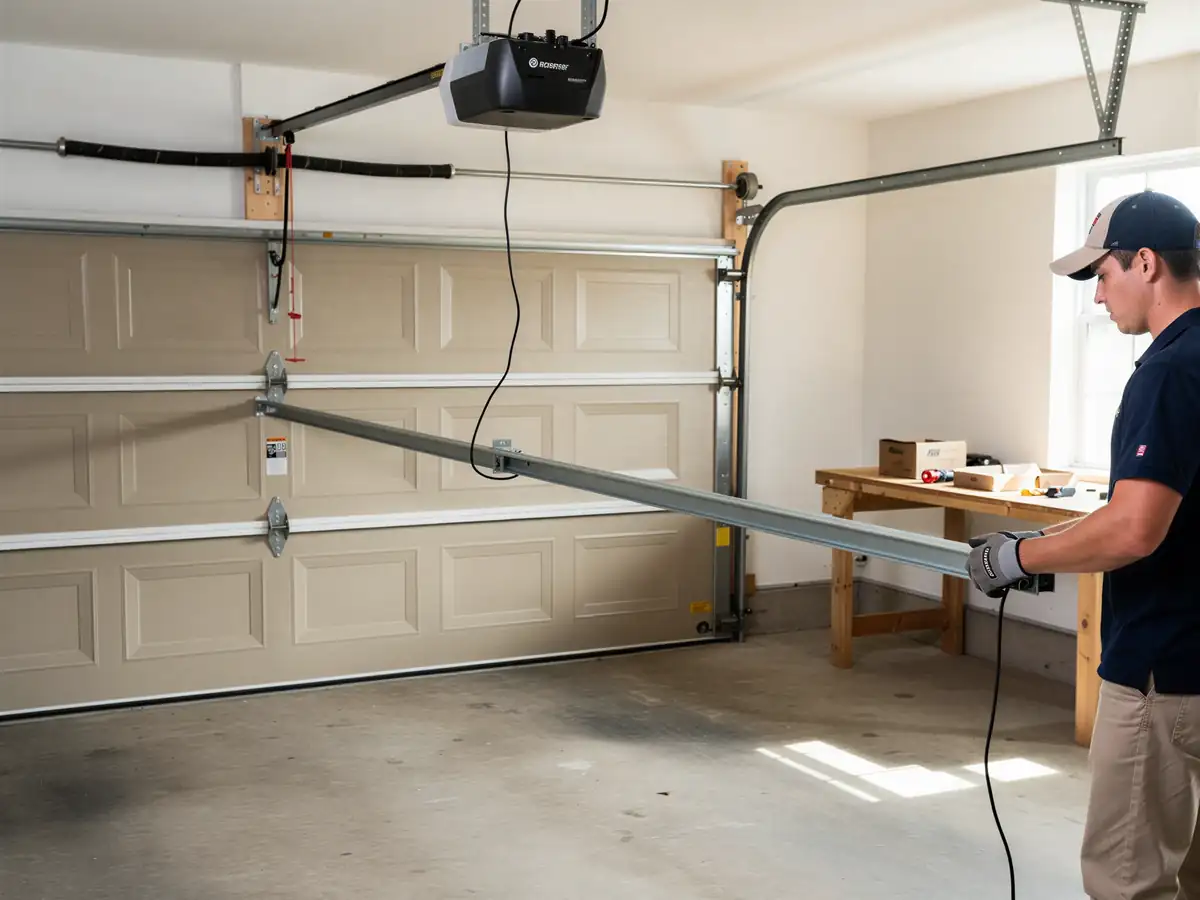
Once the opening checks out, it's new track, new springs sized to the door's actual weight
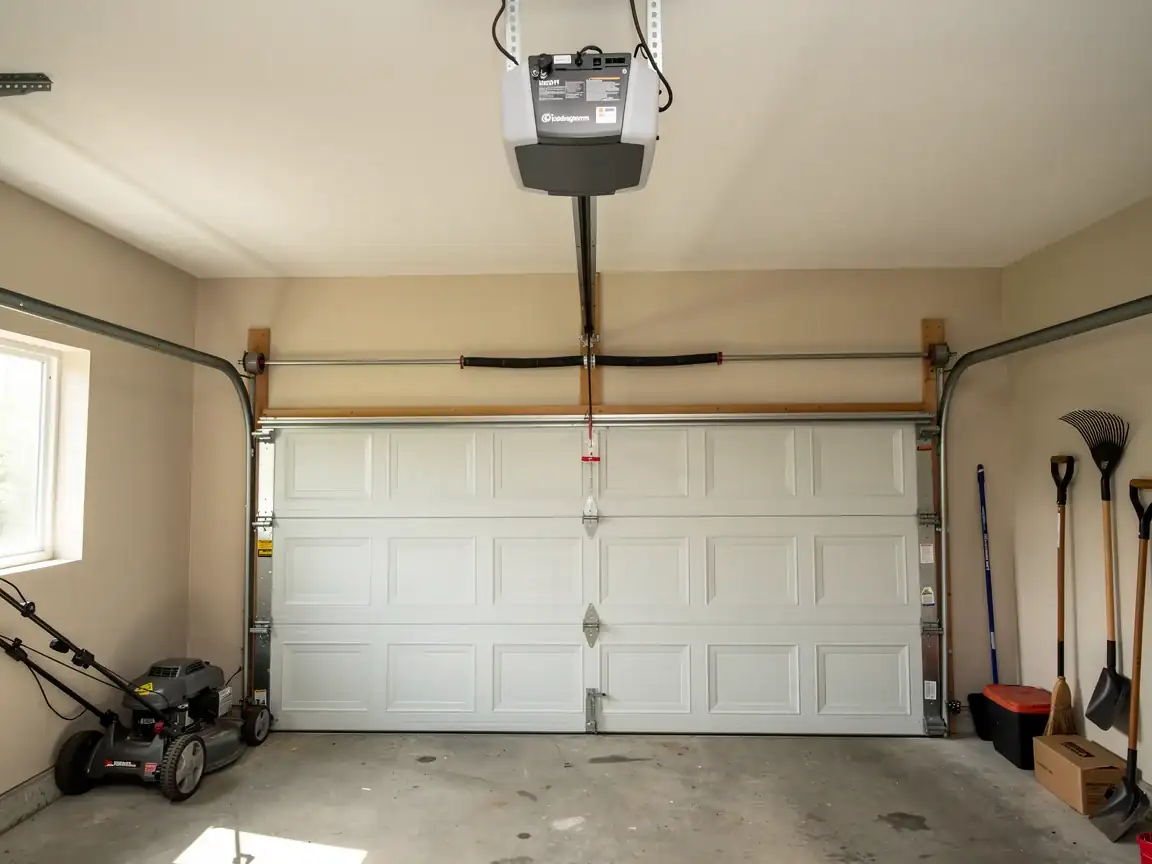
And the panel itself - insulated or not, depending on what you choose given the cold climate here. The opener gets mounted and balanced to the new door's weight, which isn't always the same as the old one if you're moving to an insulated panel.
We don't give a fixed timeline in this space because every opening's condition is different
And guessing at that for a house we haven't seen yet isn't honest. What we can say is that framing repairs, if needed, add to the job - that's not a surprise charge, it's just part of working with original 1960s construction.
What Can Go Wrong
The most common issue we run into on installs in this part of the service area is an opening that's out of square from decades of settling - normal for a house built around 1966, but it means the new door won't seat evenly unless the frame gets corrected first. Skip that step and you get a door that rattles, doesn't seal at the bottom corner, or drags on one track.
The second issue is matching door weight to spring tension. If a homeowner upgrades from the original lightweight panel to a new insulated door, the old spring setup usually can't handle the added weight, and that mismatch is what causes early spring failure or an opener straining to lift the door.
Third, older homes sometimes have wiring or outlet placement near the garage that wasn't set up with a powered opener in mind, which can mean an electrician needs to get involved before the opener goes in. We'll flag that during the site visit rather than discover it on install day. None of these are reasons to avoid replacing the door - they're just why we look at the whole opening, not just the panel.