What a Suffolk Garage Door Repair Actually Costs You
Suffolk homes built mostly between 1966 and 1992 carry hardware that's aging out together. Here's what drives cost, what can wait, and what the local climate does to doors.
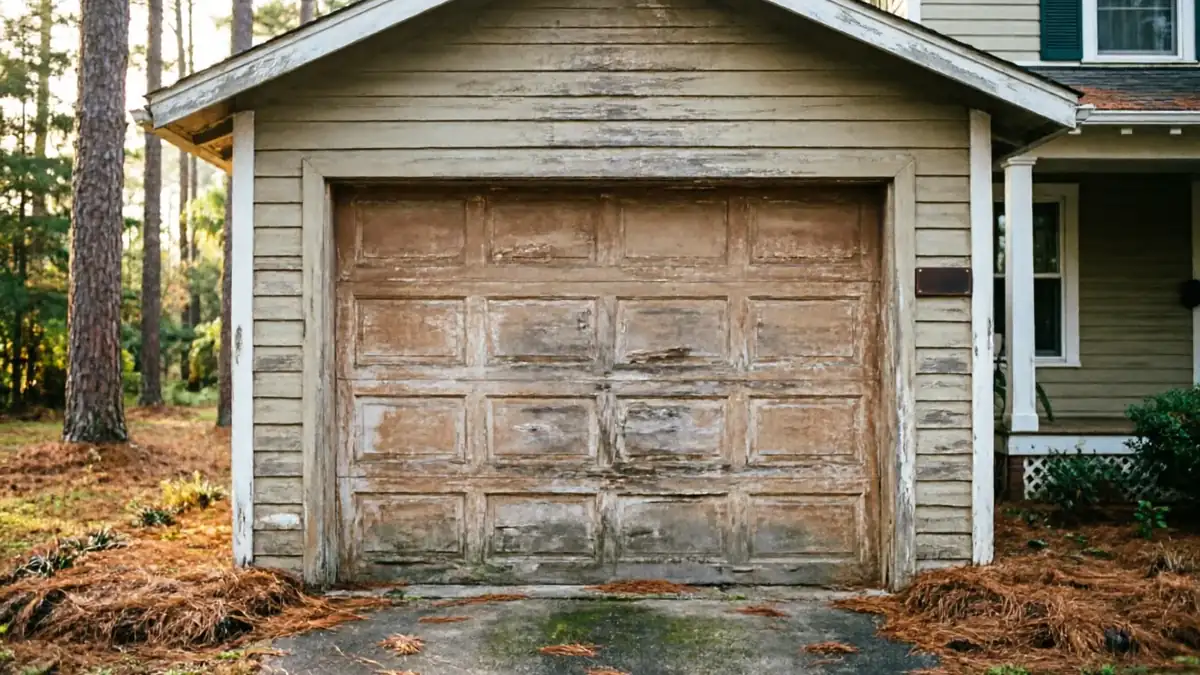
We can't quote a number here that would hold up across every door in town, and we won't pretend otherwise. What we can tell you is what drives the bill in Suffolk specifically. Most houses in the service area went up between 1966 and 1992, with the median landing around 1991, and three named pockets of town are still mostly 1980s and 90s stock. That means a lot of original torsion springs, galvanized track, and openers that are thirty-plus years old and built to specs nobody stocks on the shelf anymore. A spring swap on a door that age usually means matching old-style hardware or upgrading the whole assembly, which changes the job from a quick fix to a bigger one. With 4,430 owner-occupied houses across roughly 7,893 households here, and a median income of $65,321, we see a wide range of what people choose to spend - some replace a door outright rather than keep feeding parts into a 35-year-old frame. Ask for the breakdown before we start. If the honest answer is that your door isn't worth saving, we'll say so.
When Waiting Is Fine
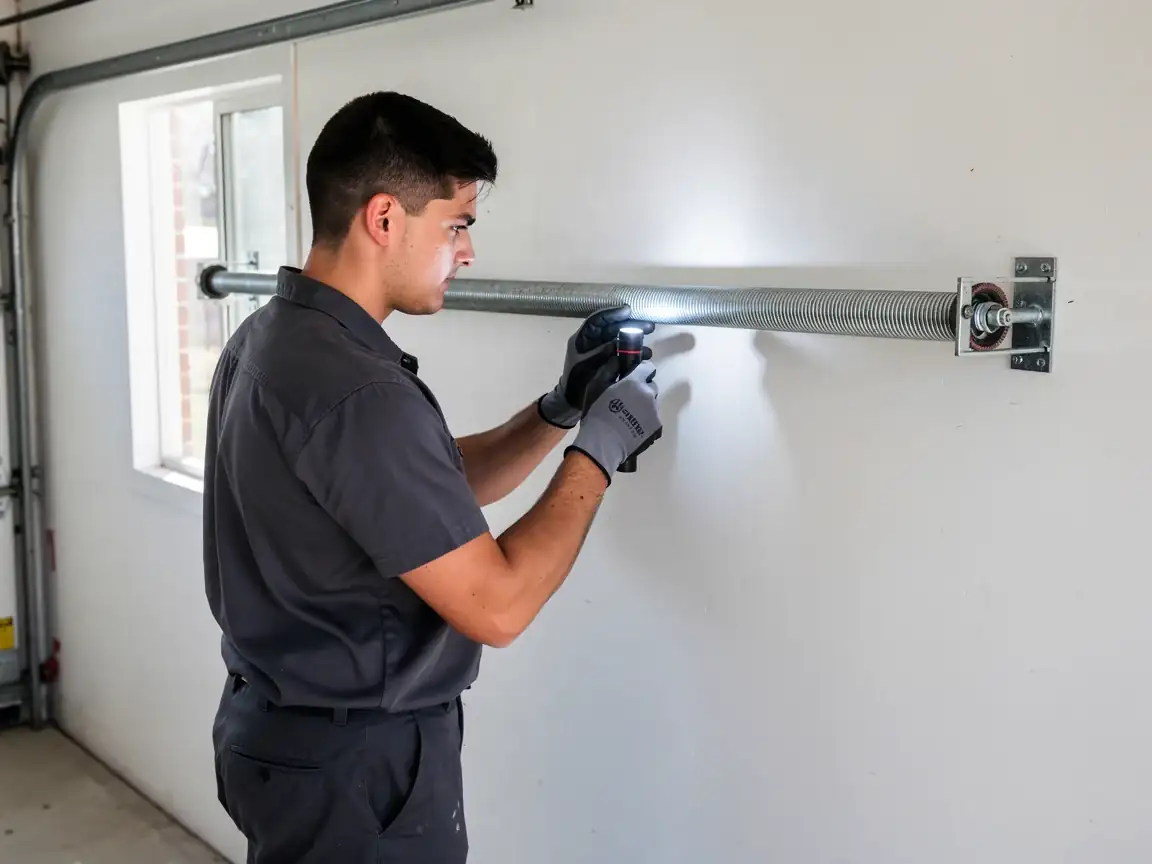
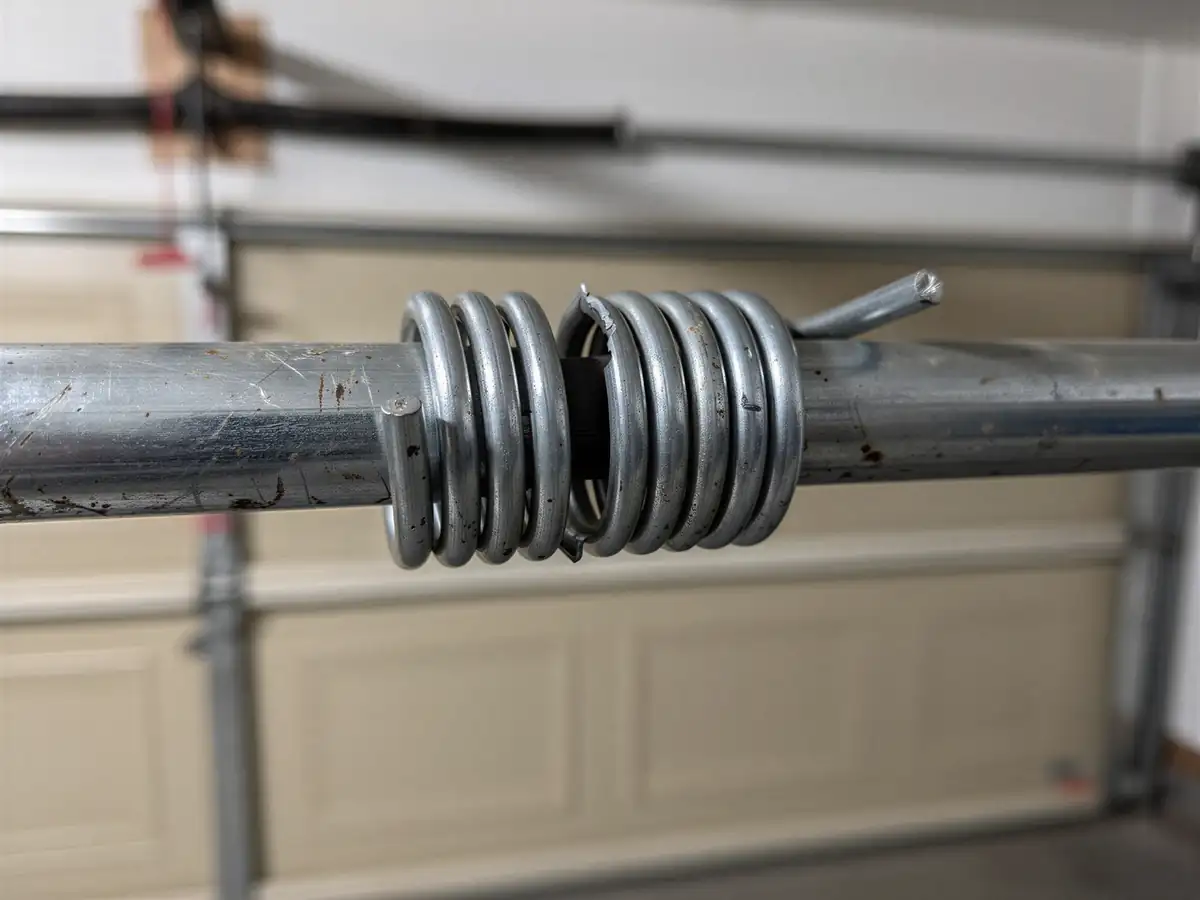
Not every noise is an emergency. A door that's a little off-balance, a roller that squeaks on the way down, an opener that hesitates before it catches - these can usually wait a week or two without getting worse, especially on the newer end of the 1966-1992 stock where hardware hasn't fully fatigued yet. What can't wait is a cable that's starting to fray or a spring with visible gap in its coils; those go from annoying to dangerous fast, and on a door that's already decades old, there's less margin before something gives. If your garage sees daily use - two cars, kids' bikes, a workshop - lean toward getting it looked at sooner rather than later. If it's a door you open twice a week, a little slack in the schedule is fine. We'd rather you call when something's actually wrong than pay for a visit a lubrication job could've fixed.
What Is Going On
Here's the pattern we run into across Suffolk: a door installed when the house was built, still running on its original opener, original springs, sometimes the original remote. With median construction year around 1991 and most of the stock from the 80s and 90s clustered in three specific parts of town, a lot of these systems are hitting the same wall around the same time - not because of one bad batch, but because torsion springs are rated for a cycle count, and thirty-odd years of daily use gets most of them there. The opener motor is often the second domino: gear sets from that era wear down slower but eventually need replacing or the whole opener goes. If your neighbor's door failed last month and yours is the same age and same builder-grade hardware, don't be surprised if yours is next. That's not a sales pitch, it's just how these systems age.
What the Weather Here Does to It
The climate in this part of Virginia runs on the cold side of moderate - not brutal winters, but real freeze-thaw swings, and that matters more for a door that's already thirty years old than a new one. Metal contracts in the cold, and on original tracks from the 1966-1992 building era, that can mean a door that rode smooth in August starts binding or jumping the track once temperatures drop and climb back up a few times. Weatherstripping on original doors dries out and cracks under that kind of cycling, letting in drafts and moisture that speed up rust on hardware that's already at the end of its rated life. If your door sticks only in certain weather, that's usually a track or hinge issue tied to temperature, not something wrong with the opener. We check for that specifically on older Suffolk doors because it's common enough here to expect it.
Is it worth fixing an old garage door or should I replace it?
If the door was installed with the house - common here given the 1966-1992 median build era - and it needs more than one part, replacement often costs about the same as repeated repairs and gets you current hardware. A single worn part on an otherwise sound door is usually worth fixing.
Why did my garage door spring break out of nowhere?
Torsion springs are rated for a set number of open-close cycles, not a calendar date. A lot of Suffolk homes built in the 80s and 90s are hitting that cycle count around the same time, so it looks sudden but it's really just age catching up at once.
Does cold weather really affect garage doors in Suffolk?
Yes, more than people expect. The freeze-thaw swings here stress original track and weatherstripping from older builds, causing binding, drafts, and faster rust on hardware that's already decades old. New doors handle it fine; original 1980s-90s hardware is where we see the problems.
Do you serve areas outside Suffolk?
We work the Suffolk service area. Windsor, Franklin, and Smithfield are nearby towns at various distances, but ask us directly about your specific location before assuming coverage.
Ready to get your garage door sorted?
Tell us what it’s doing and where you are in Suffolk - we’ll take it from there.