Parts We Carry
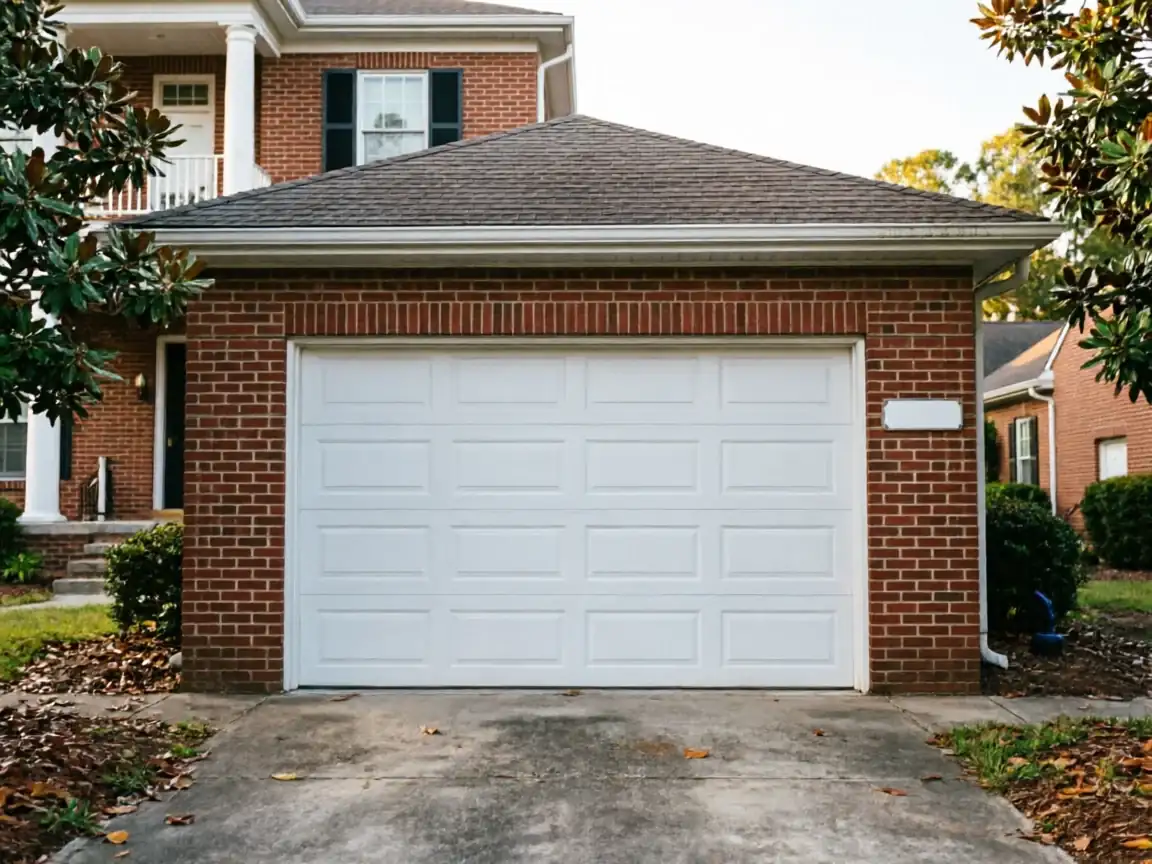
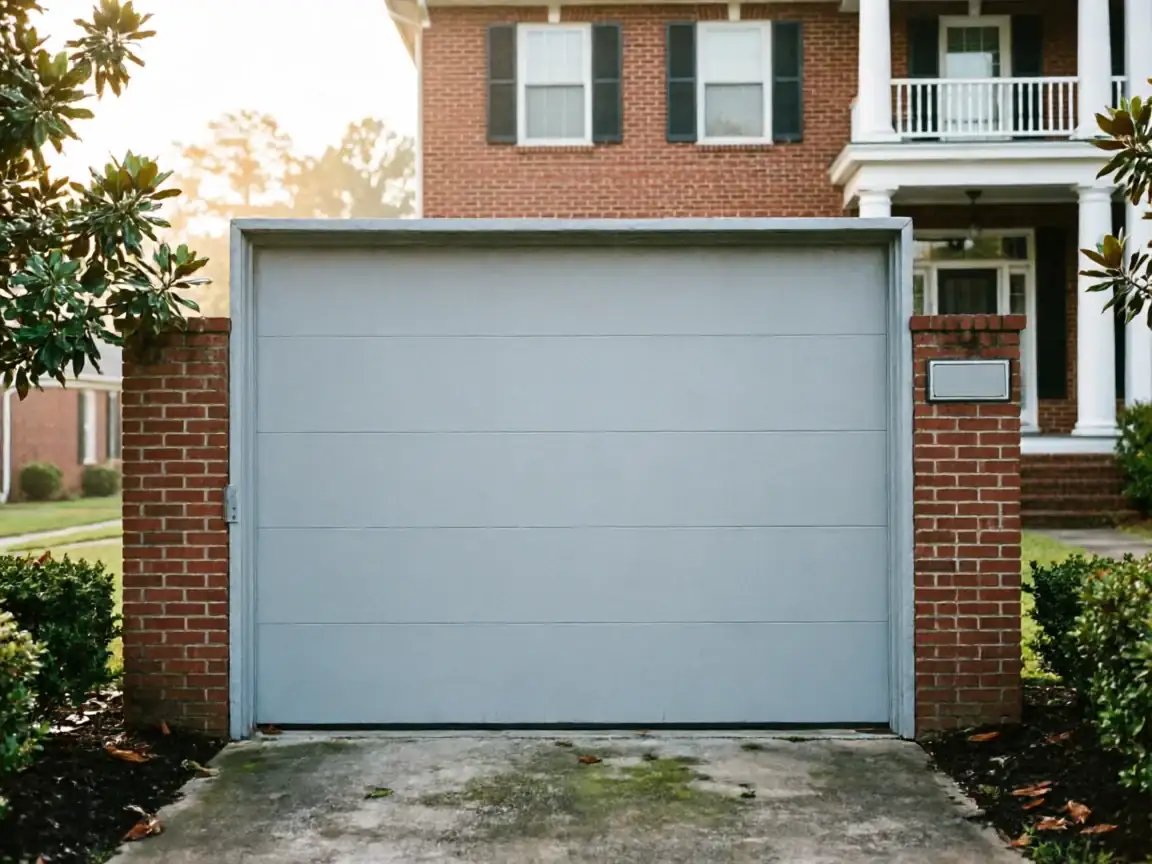
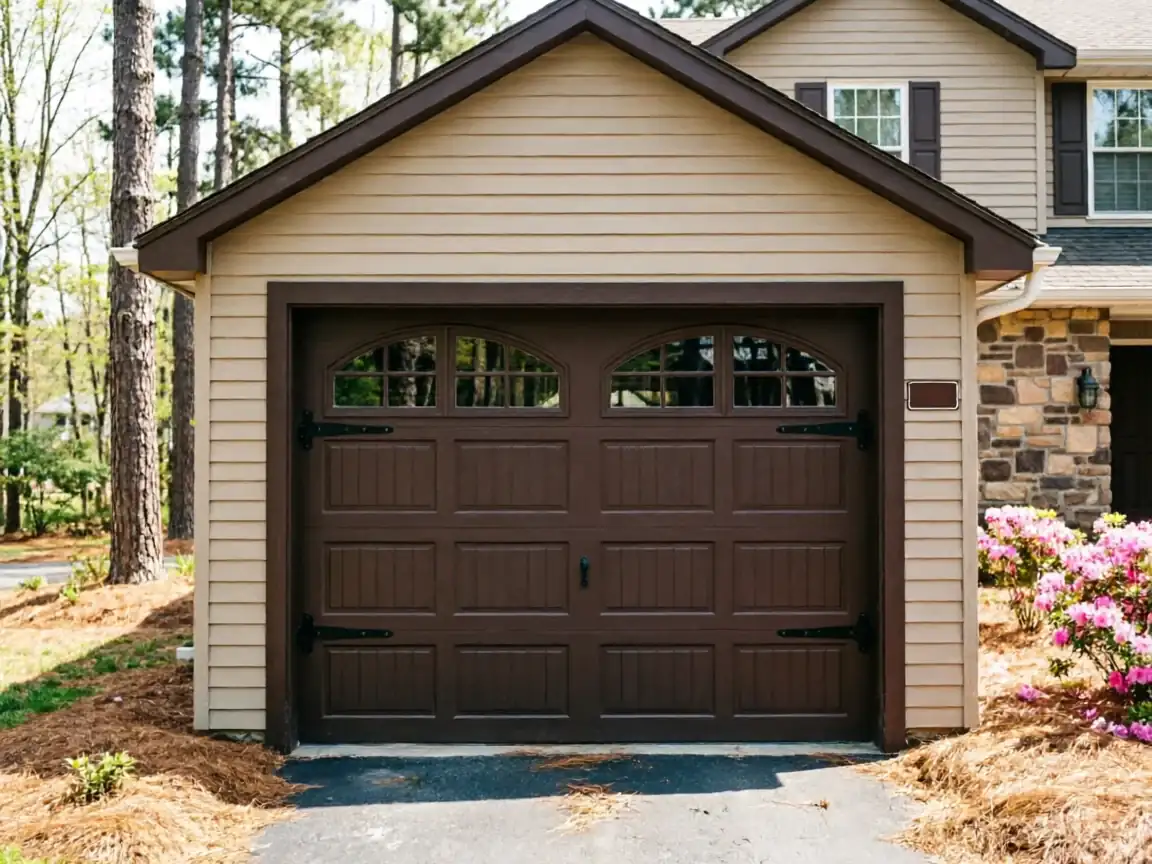
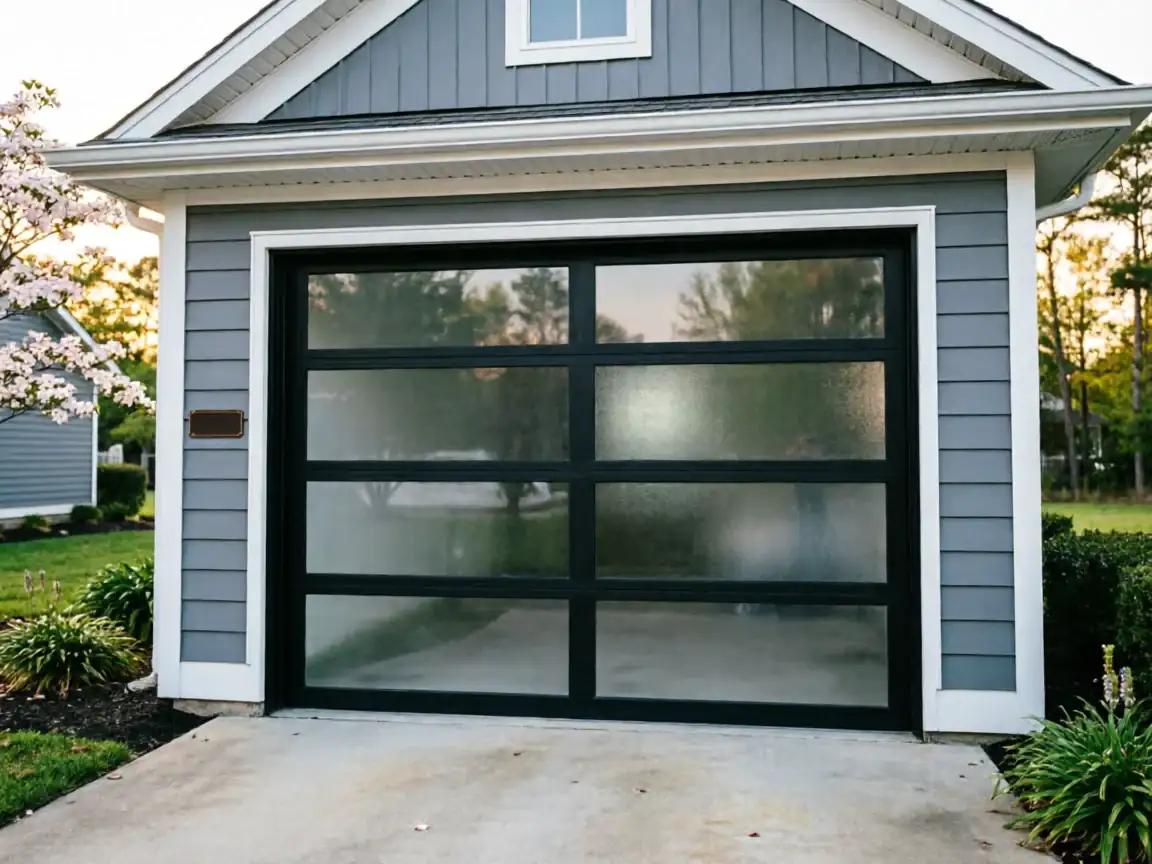
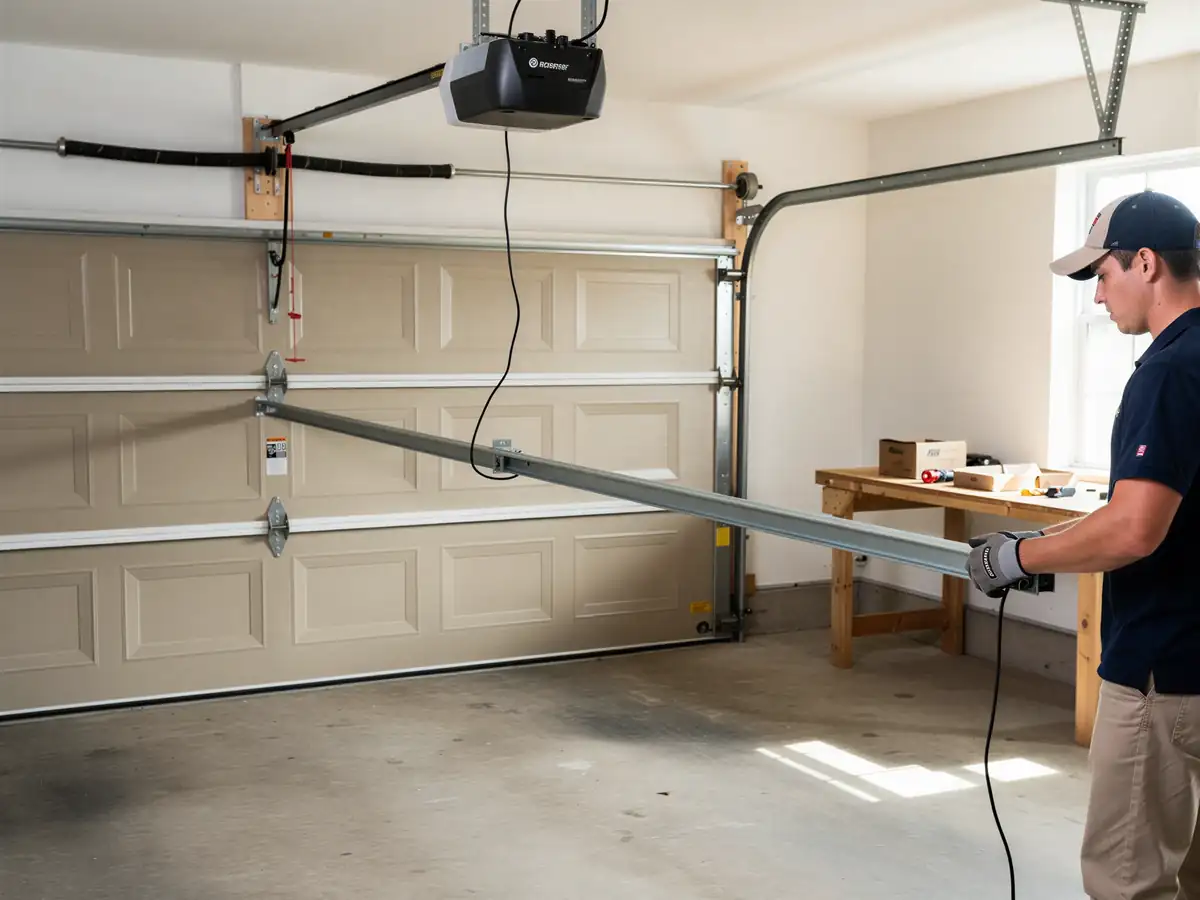
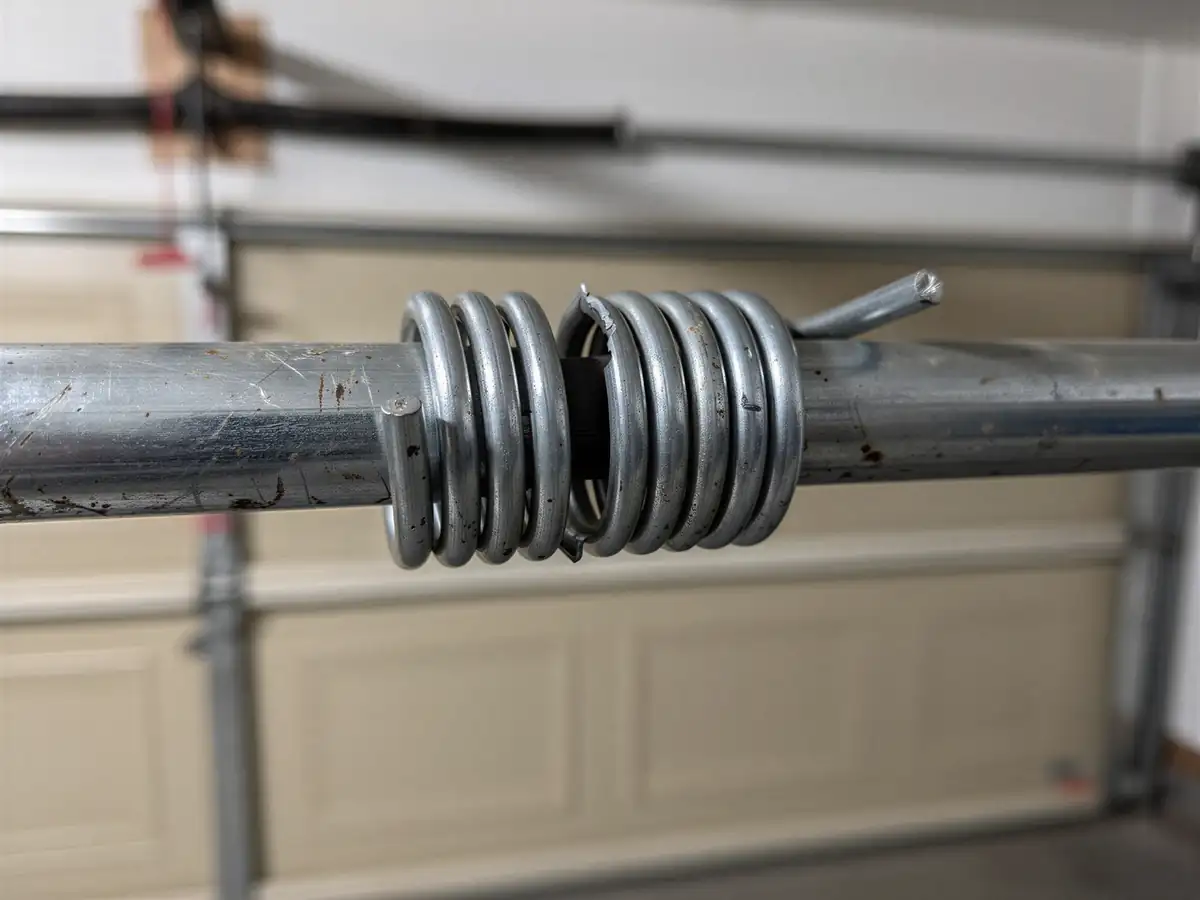
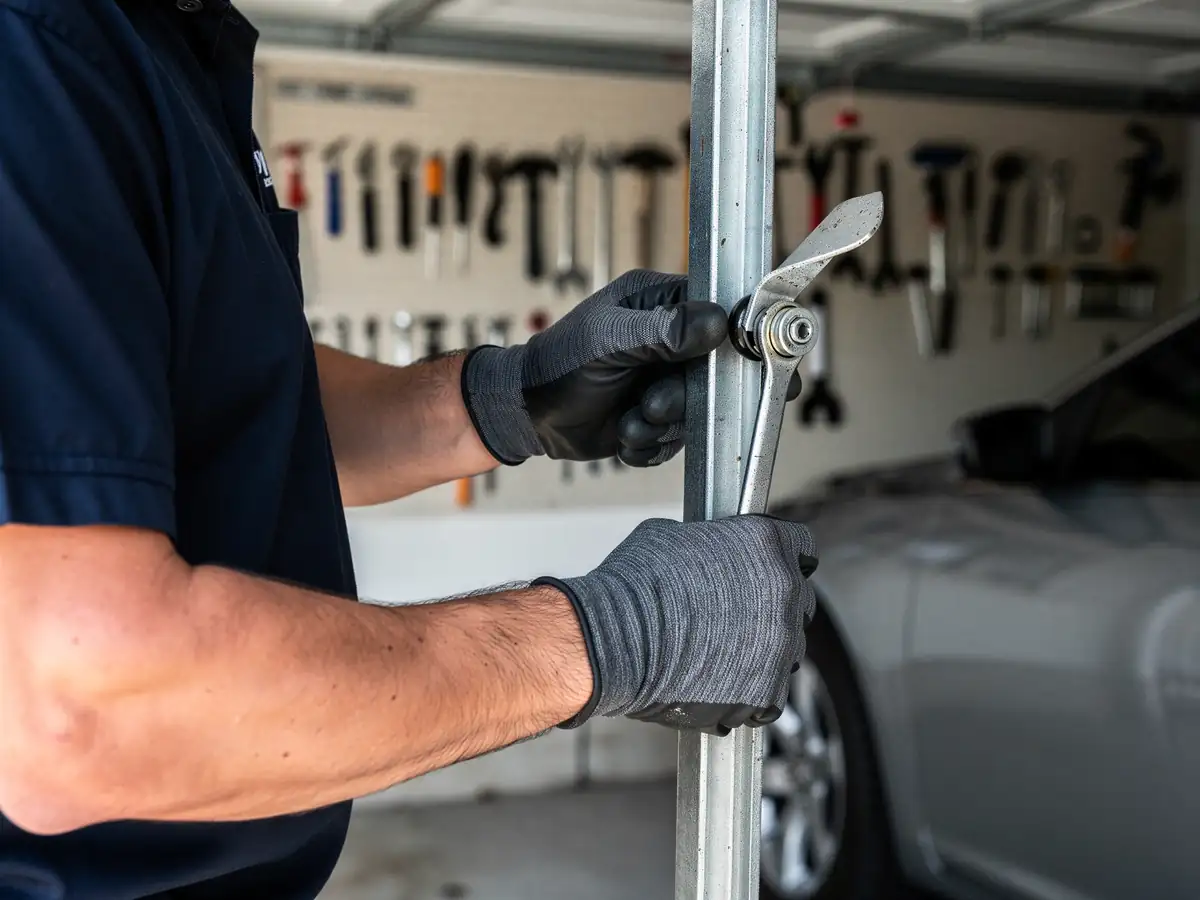
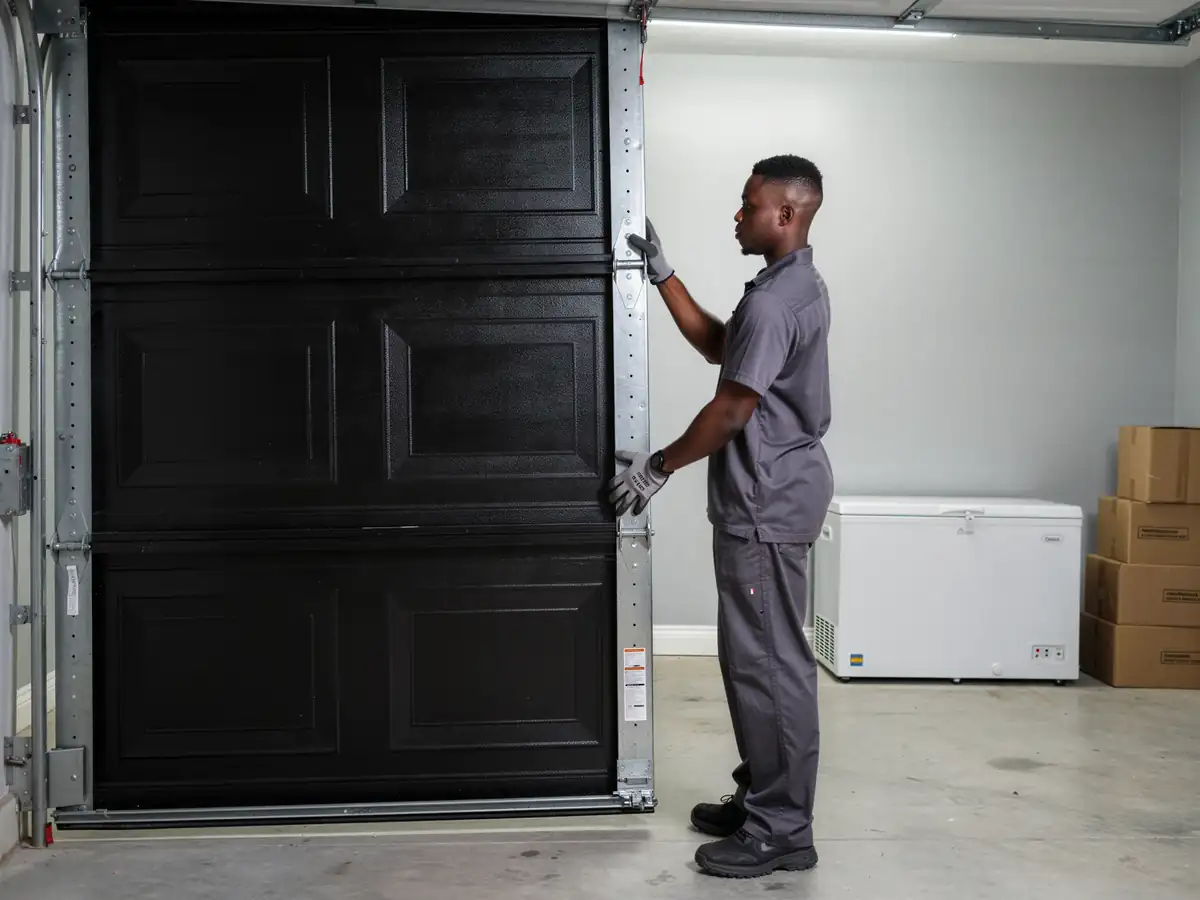
Housing in the Suffolk service area generally went up between 1966 and 1992, with the median landing around 1991 across the three named areas we track - but Franklin itself skews earlier, median year built 1966. That matters for parts. A door installed in the late 1960s or 1970s is more likely to run on hardware sized differently than anything a big-box store carries now: older torsion spring wire gauges, discontinued track widths, roller sizes that don't match a standard aisle shelf. We carry a working stock of common spring sizes, cables, rollers, and hinges on the truck, and we can usually match or adapt an older bracket rather than replace the whole assembly. What we won't do is promise a same-day match on every obsolete part - if your opener or track hardware is a model nobody's made in decades, we may need to order it, and we'll tell you that up front instead of guessing.
Doing It Yourself
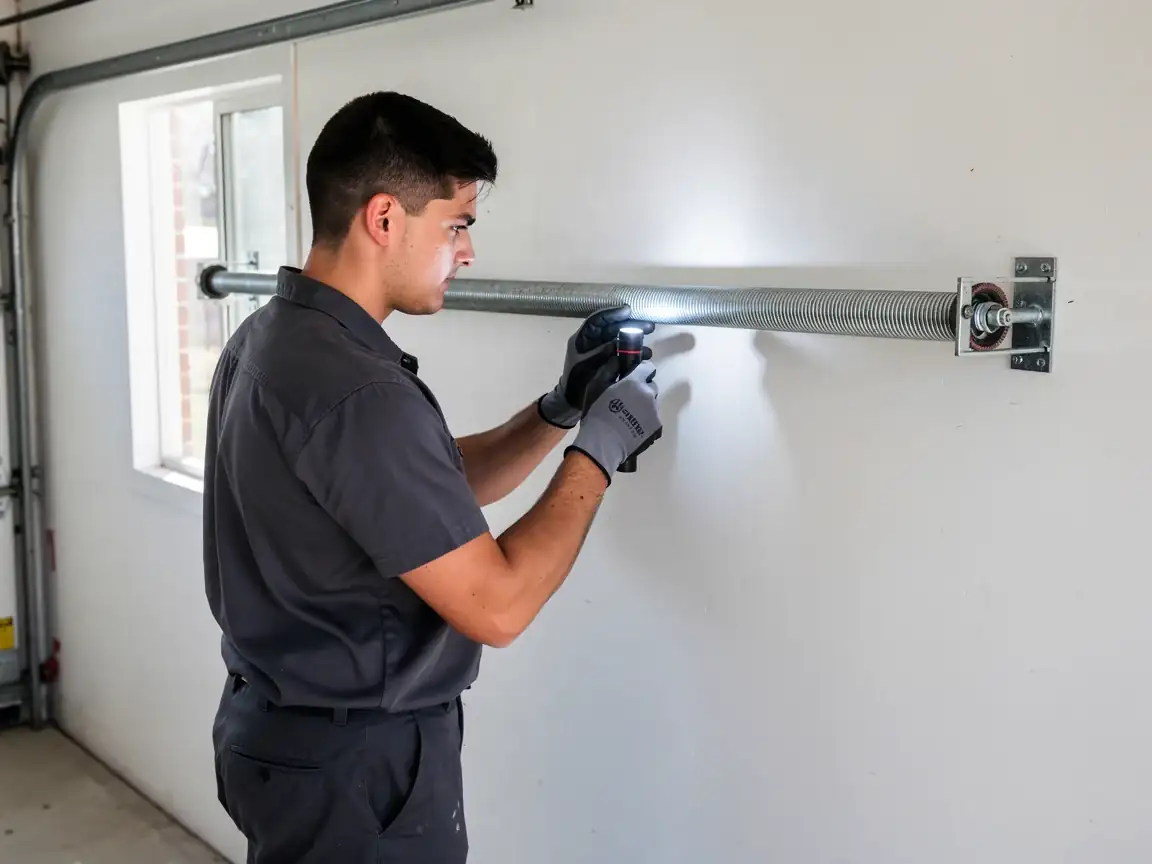
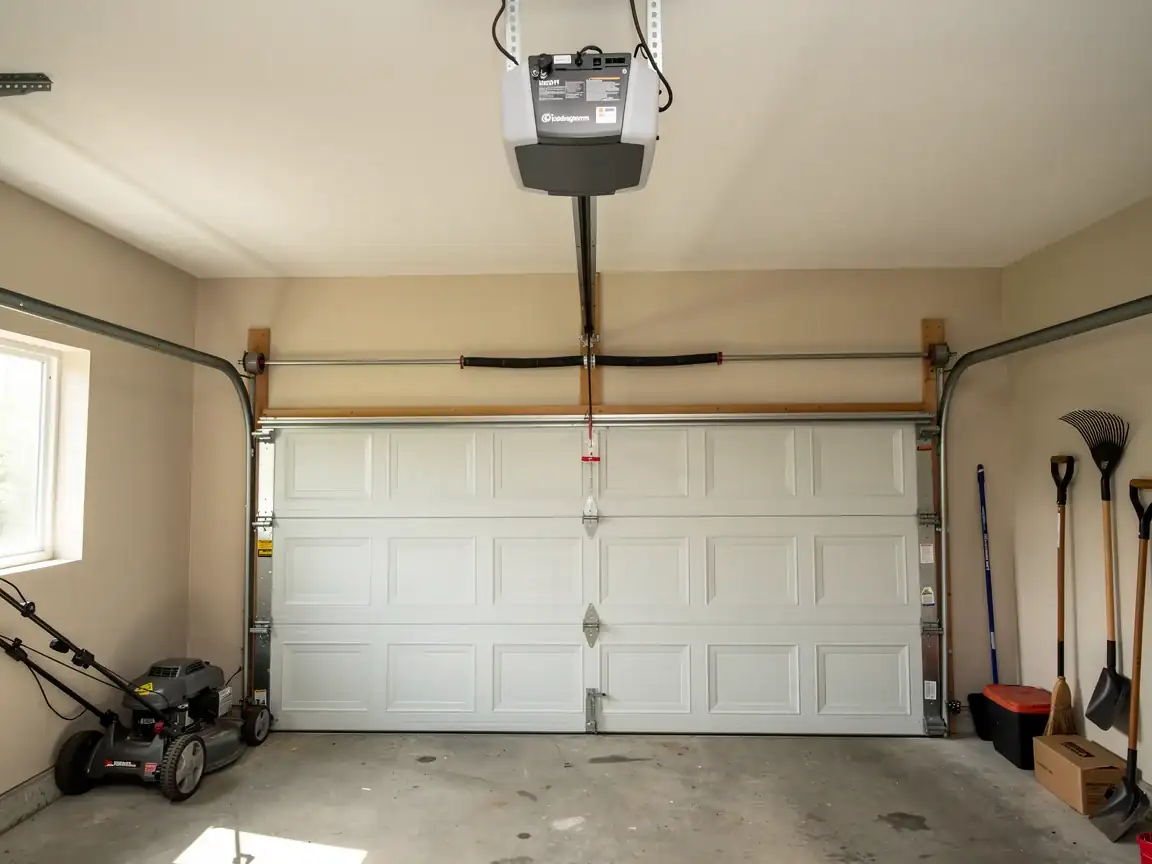
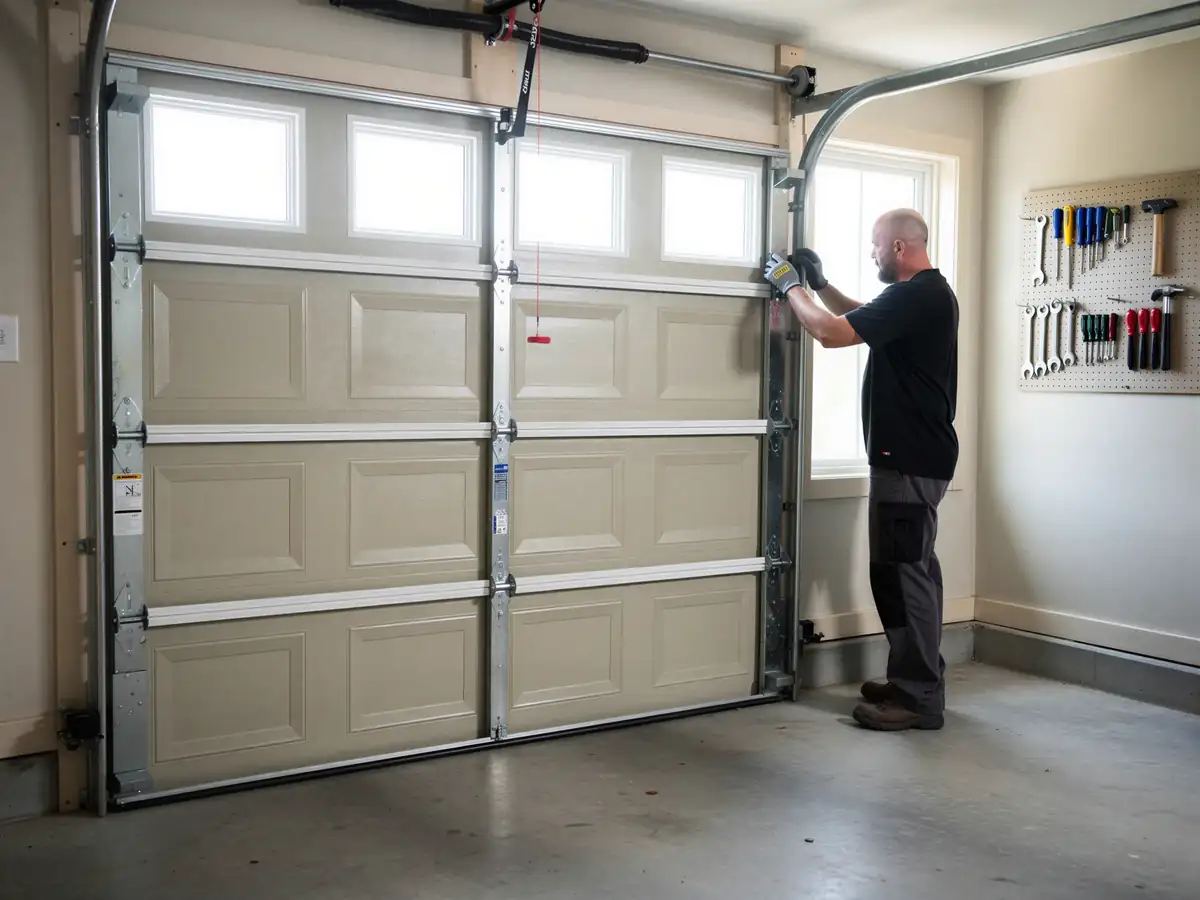
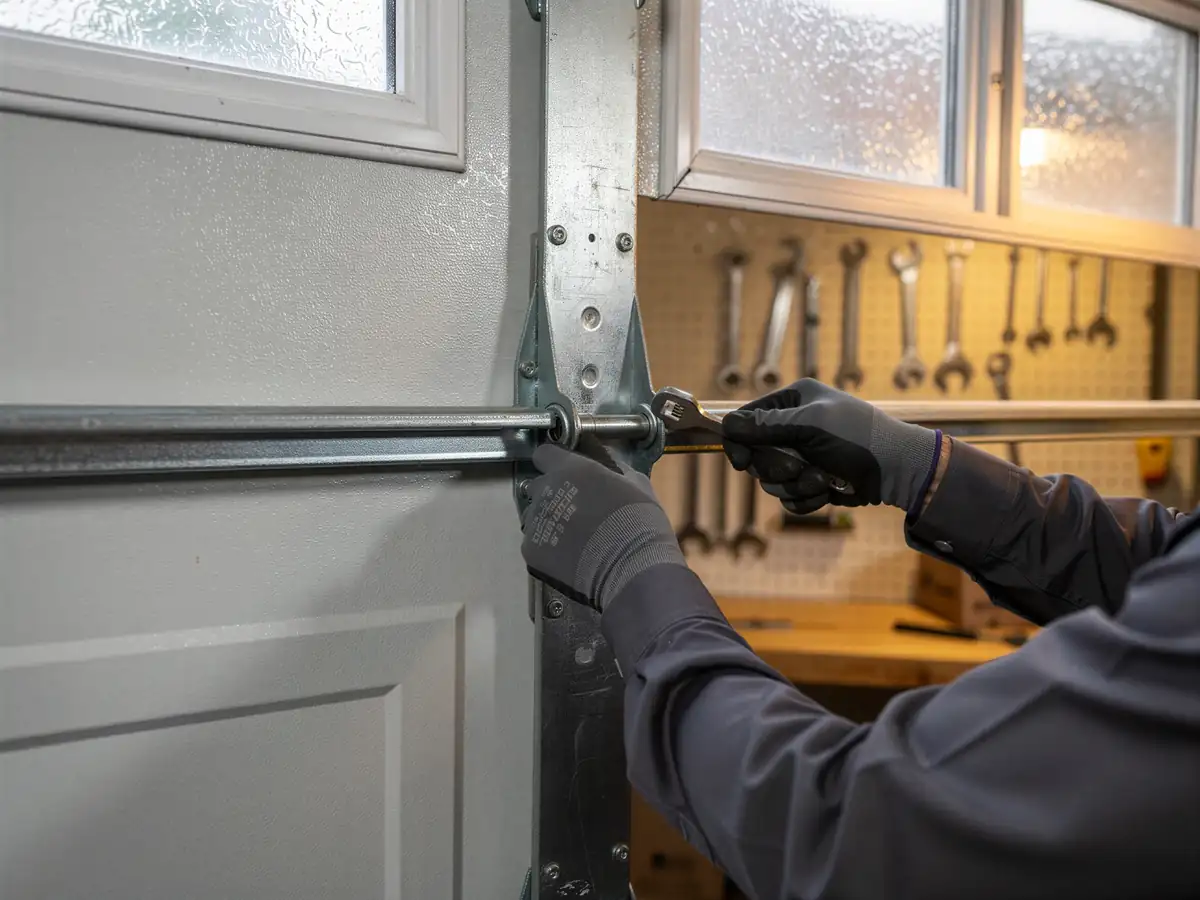
Some things on a garage door are fair to tackle yourself: lubricating hinges and rollers, tightening loose hardware, clearing a sensor that's knocked out of alignment. A torsion spring is not one of them. These doors run on cables and springs under real tension, and on a door built in the 1960s that hardware has had decades to fatigue - rust on a cable, a spring that's been wound and released thousands of times, a drum that's worn unevenly. If a cable snaps while it's under load, it can take a finger or worse with it. If your door won't open, won't stay open, or makes a bang and then goes slack, stop using it and call rather than climbing a ladder to find out why. That's the one honest line we draw: we'll walk you through what's safe to check yourself on the phone, but we won't talk you through a spring swap.
What Can Go Wrong
With roughly 3,388 households in Franklin and a median income around $65,125 - close to the wider service area's $65,321 - most of what we see here are owner-occupied houses where the door has been part of the property since it was built. The most common failure on stock from this era is a torsion spring that's simply reached the end of its wind cycle, followed by worn rollers that have gone from steel to nylon somewhere along the way and now rattle in a track that's loosened at the brackets. Openers from a later retrofit don't always match the door's original balance, which shows up as a motor straining to lift a door that should move with one hand. None of that is unusual for a door this age - it's just what happens when original hardware outlasts its expected life.