What You Pay
We don't quote a flat emergency rate here because every job depends on what's actually broken and what parts the door takes
What we can tell you is this: Franklin's housing stock runs older than most of the rest of our service area. The broader area we cover skews 1966 to 1992 with a median around 1991, but Franklin itself centers closer to 1966. That gap matters for pricing, because a door from the mid-60s is more likely to need a part we have to source rather than pull off the truck - extension spring kits, older-style track brackets, sometimes a motor unit that doesn't match anything currently on the shelf. Median household income in the area runs around $65,000, and we try to steer people toward the repair that actually solves the problem instead of the most expensive one on the list. If a torsion conversion makes more sense long-term than patching a 60-year-old extension setup, we'll say so before we start, not after.
We travel from Suffolk to reach Franklin, about 17 miles each way
That's built into how we schedule the day - we're not running a branch out of town, so we batch Franklin calls when we can and move fast when we can't.
- 17 miles
Parts We Carry
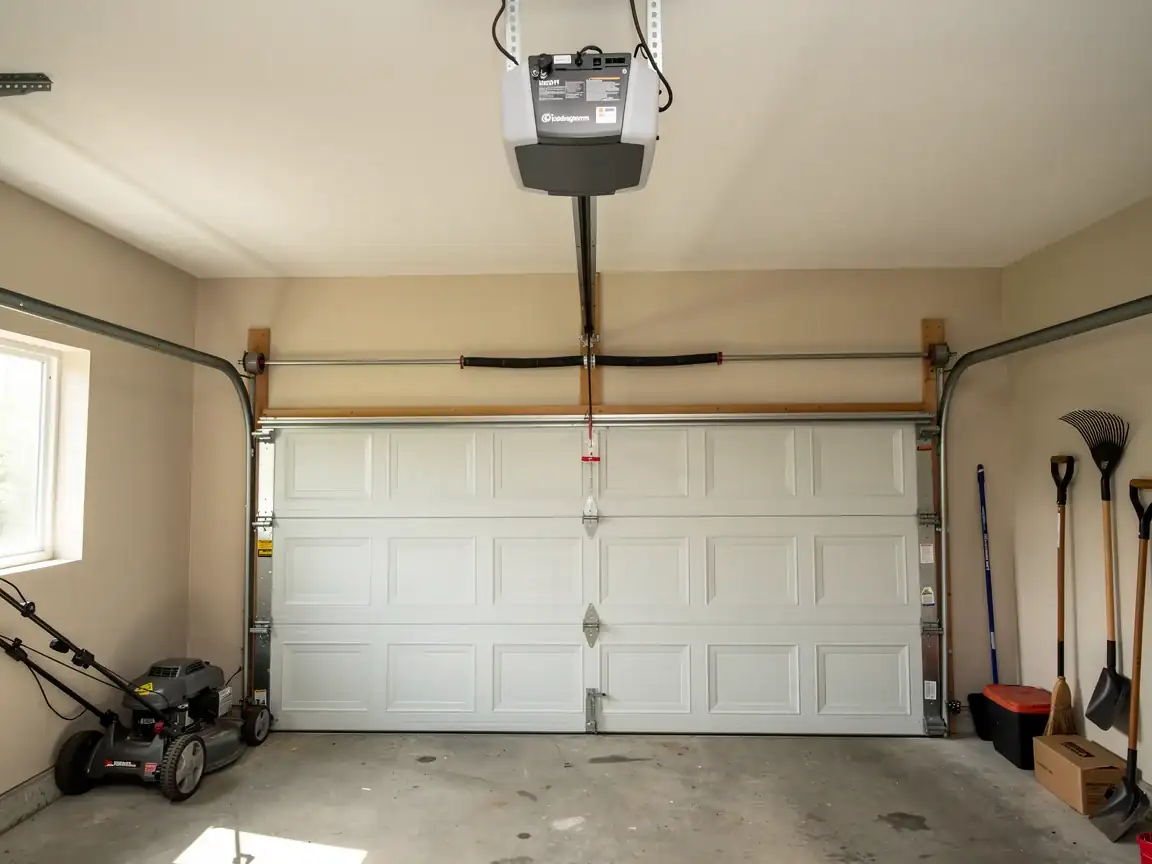
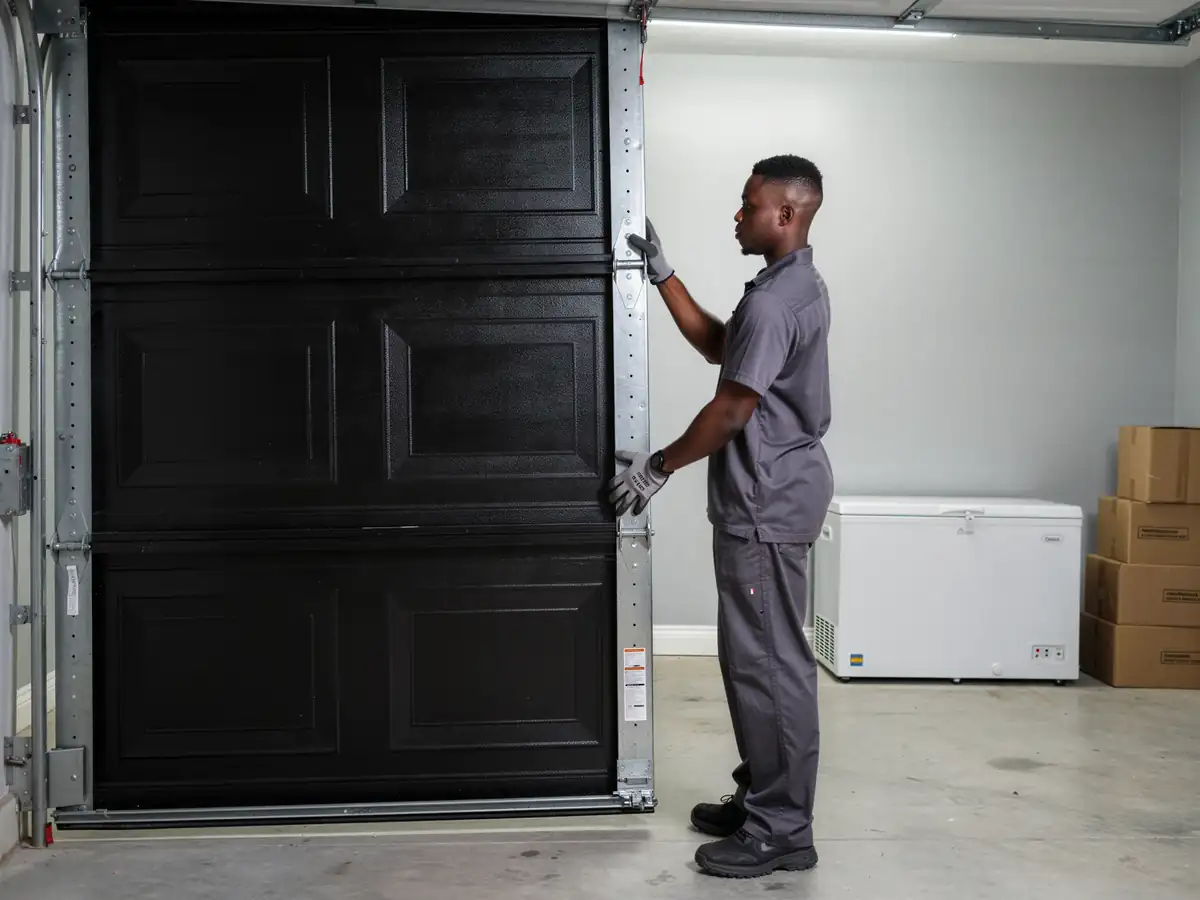
Because so much of Franklin's housing dates back to the mid-1960s, we carry extension spring sets and older-pattern hinges more often than we would for a newer subdivision. A lot of homes in the broader service area were built between 1966 and 1992, with the newer end of that range concentrated in other spots we cover - Franklin sits on the older end. That means doors here are more likely to still be running original or near-original hardware: single-panel steel doors with exposed extension springs along the horizontal track, instead of the enclosed torsion bar setup that became standard on later builds.
We stock common roller sizes, standard torsion springs for the sizes that were already retrofitted, cable, and universal opener logic boards that cover most of what's out there. What we don't always have on the truck is a legacy extension spring matched to a door that's never been upgraded - those sometimes take an extra trip or a day's wait on the part. We'd rather tell you that up front than pretend every job gets fixed in one visit.
Doing It Yourself
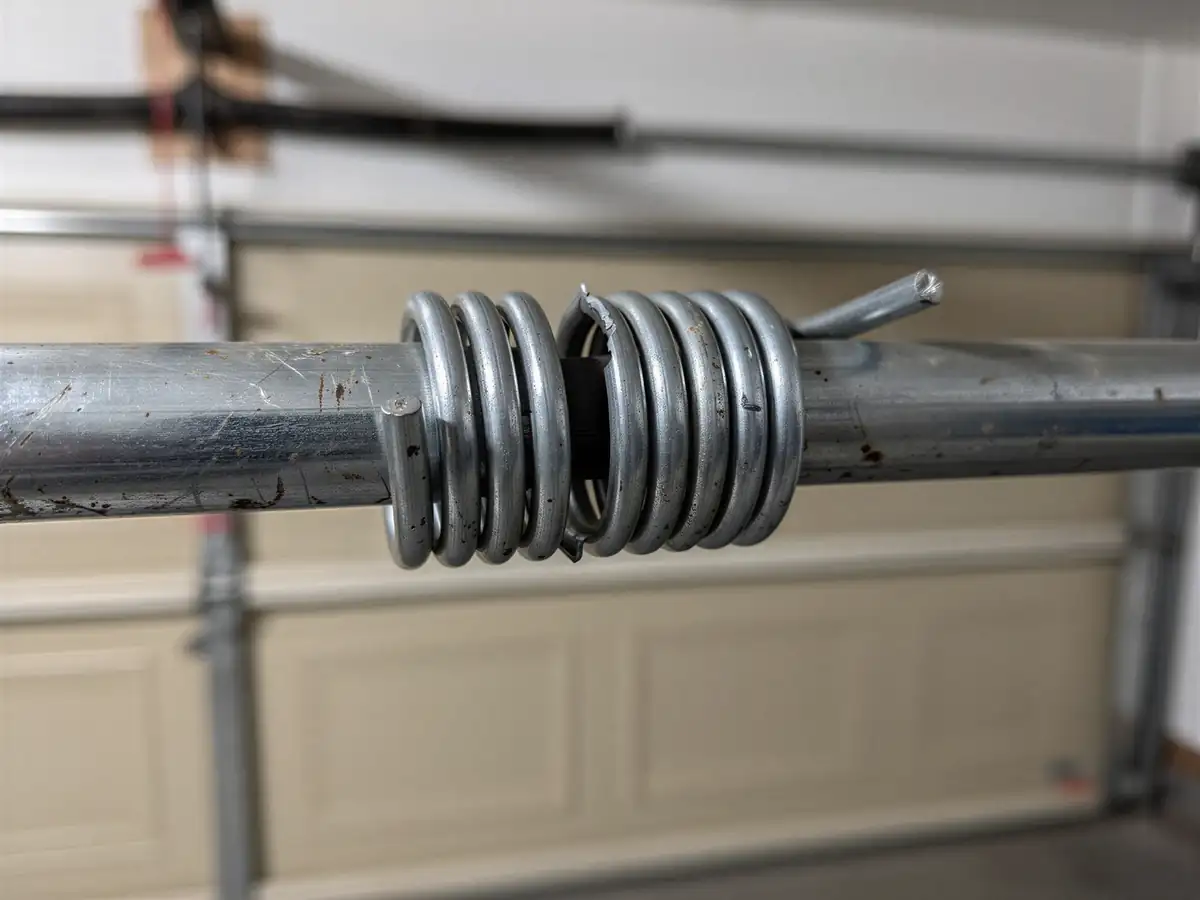
If the door won't open and the opener motor is humming but the door isn't moving, don't keep hitting the button. On a door this old, that's very often a snapped extension spring or a cable that's jumped the track, and running the motor against a dead spring load is how you burn out the motor on top of the spring problem.
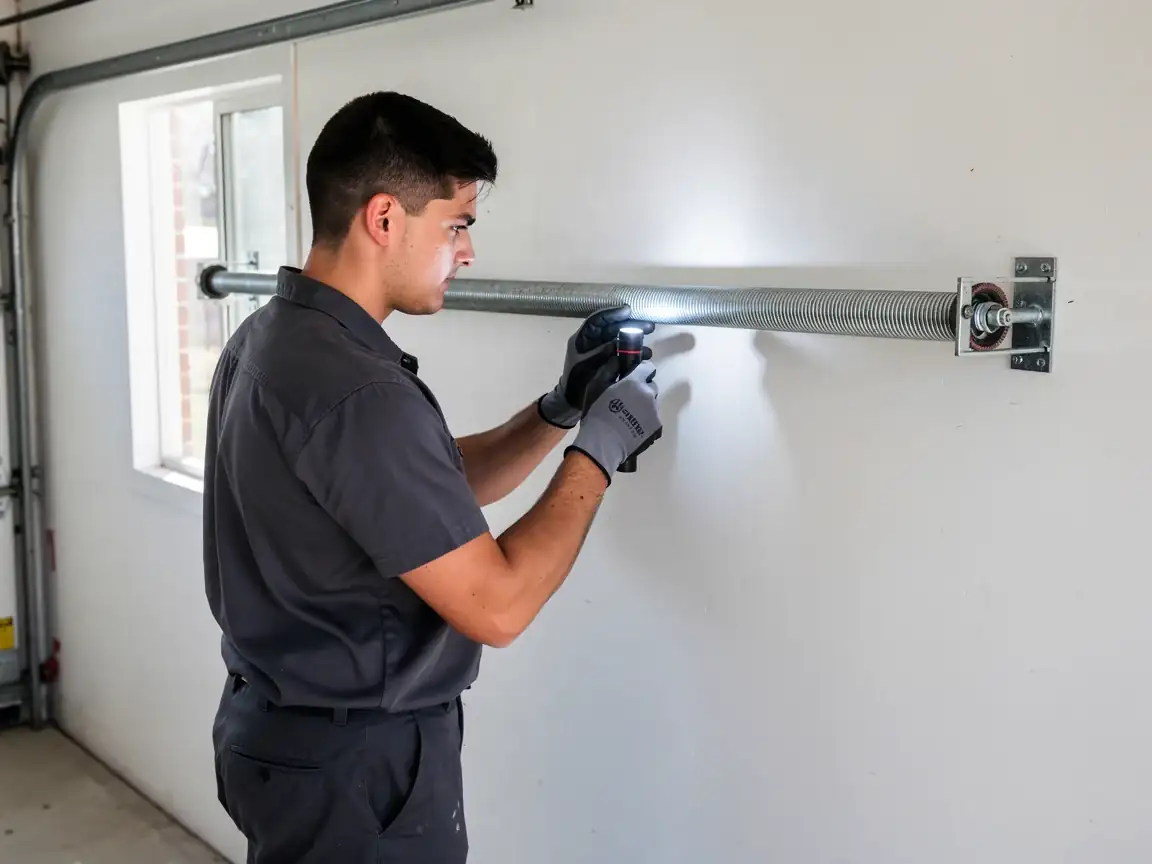
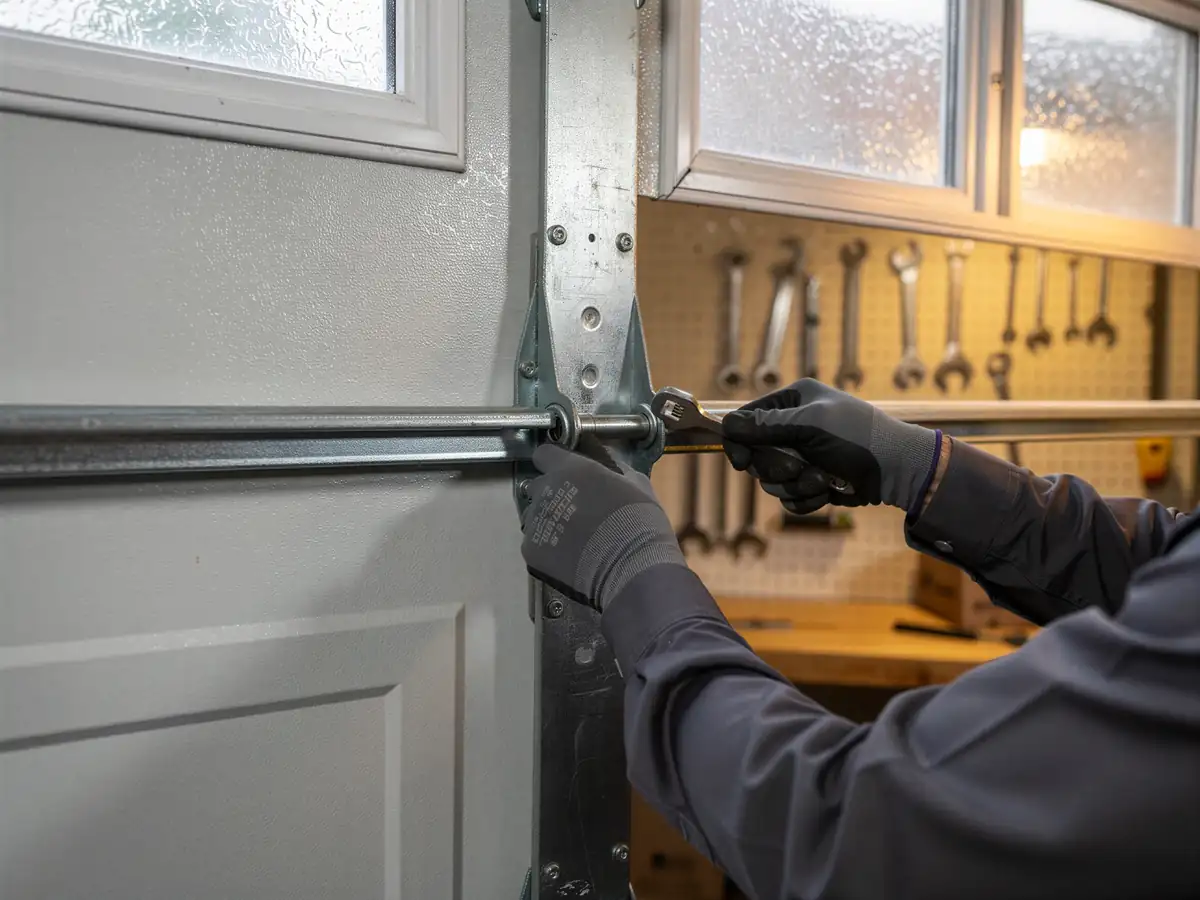
You can safely check a few things yourself: make sure the wall switch has power, check that the manual pull cord hasn't been engaged (which disconnects the opener from the door entirely), and look for anything visibly bent in the track. Beyond that, we'd tell you to leave it. Extension springs under tension, especially older ones that have never been replaced, store enough energy to cause a real injury if they let go while you're working near them. That's not a sales line - it's the actual physics of a 1960s-era door system, and it's the one limitation we're always honest about: some of these repairs aren't a DIY afternoon job, even for someone handy.
What the Repair Takes
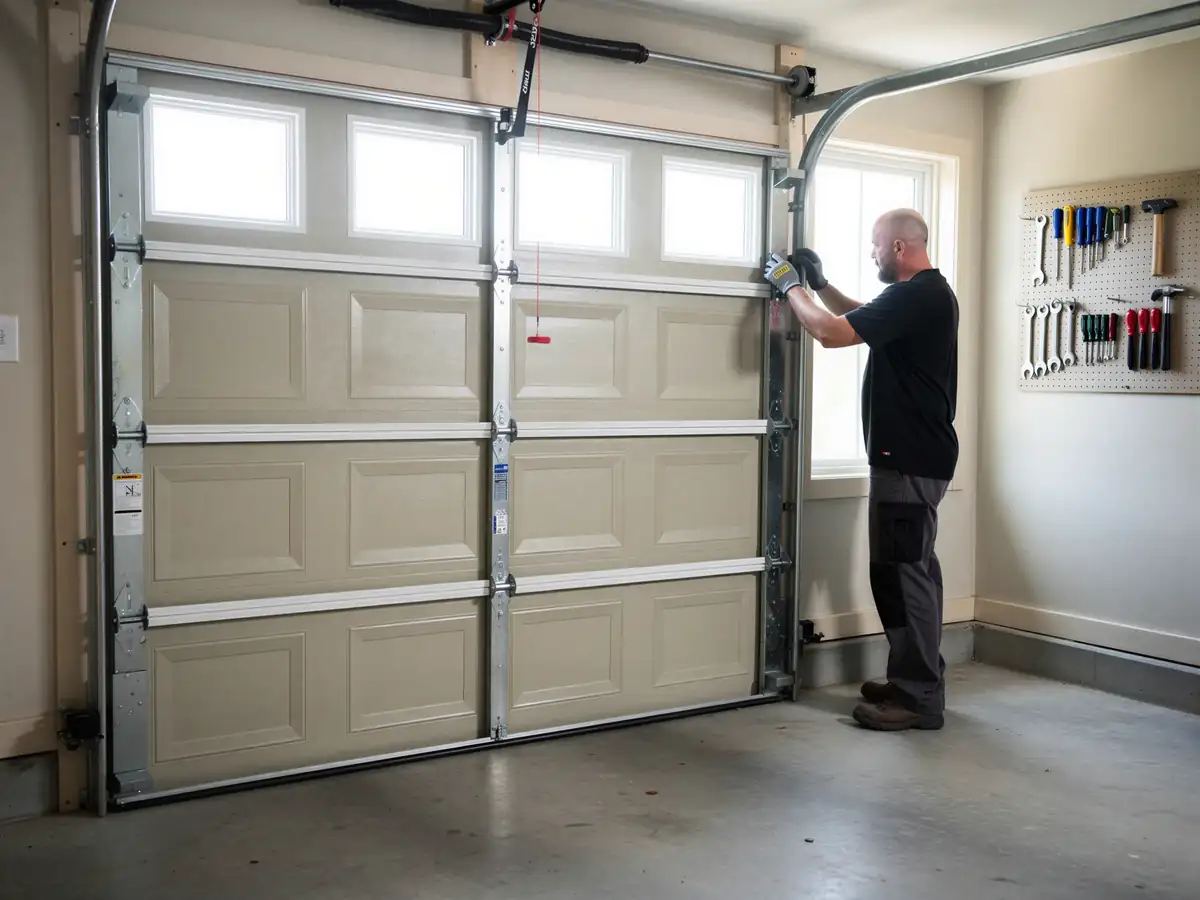
A straightforward spring replacement on an older extension-spring door usually goes faster than a full torsion conversion
Since we're swapping a part that's designed to be replaced rather than retrofitting newer hardware onto an older track. Cable repairs and roller swaps are quicker still. Where it slows down is diagnosis - on a door with decades of wear and possibly a prior repair or two already done by someone else, we spend more time figuring out what's actually wrong before we touch anything.
Since we're coming from Suffolk, about 17 miles out, we plan the visit around having the right parts already on the truck rather than guessing on-site
That's part of why we ask a few questions over the phone first - door age, panel material, whether the opener is original - before we load up.
- 17 miles
What Can Go Wrong
The failure we see most in this part of our coverage area is a snapped extension spring, simply because there are more original extension-spring doors still in service here than in the newer-built pockets we also cover. Second most common is a cable that's frayed through at the drum after years on the original hardware. Cold weather doesn't help - the region sits in a moderate cold climate band, and metal fatigue in old springs shows up more on the first hard cold stretch of the season than any other time of year.
Opener boards on original units from this era are the other weak point. When one of those finally quits, replacement is almost always the better call than repair, since parts for a motor that old aren't something we can source reliably. We'll tell you plainly when a part isn't worth chasing down - sometimes the honest answer is a new opener, not a patched one.