When a door won't move, the first thing we need to know is what it's doing right now: dead silent, humming but not lifting, or stuck halfway with a cable hanging loose. That tells us whether a truck needs to roll with spring stock or opener parts, and it saves a second trip. We run this out of Suffolk and cover the stretch between Windsor, about 10 miles out 5 miles southeast, and out to Franklin and Smithfield at the edges of the service area. If you're calling from one of those towns, the dispatch question is the same: is the car trapped inside, is the door open and won't close, or is it closed and won't open. Any of those counts as the kind of call we treat first. We don't carry every part ever made for every door - if your opener is an older or less common brand, we'll tell you straight whether we have what we need on the truck or whether it's an order-in part, rather than stringing you along on site.
The Symptom
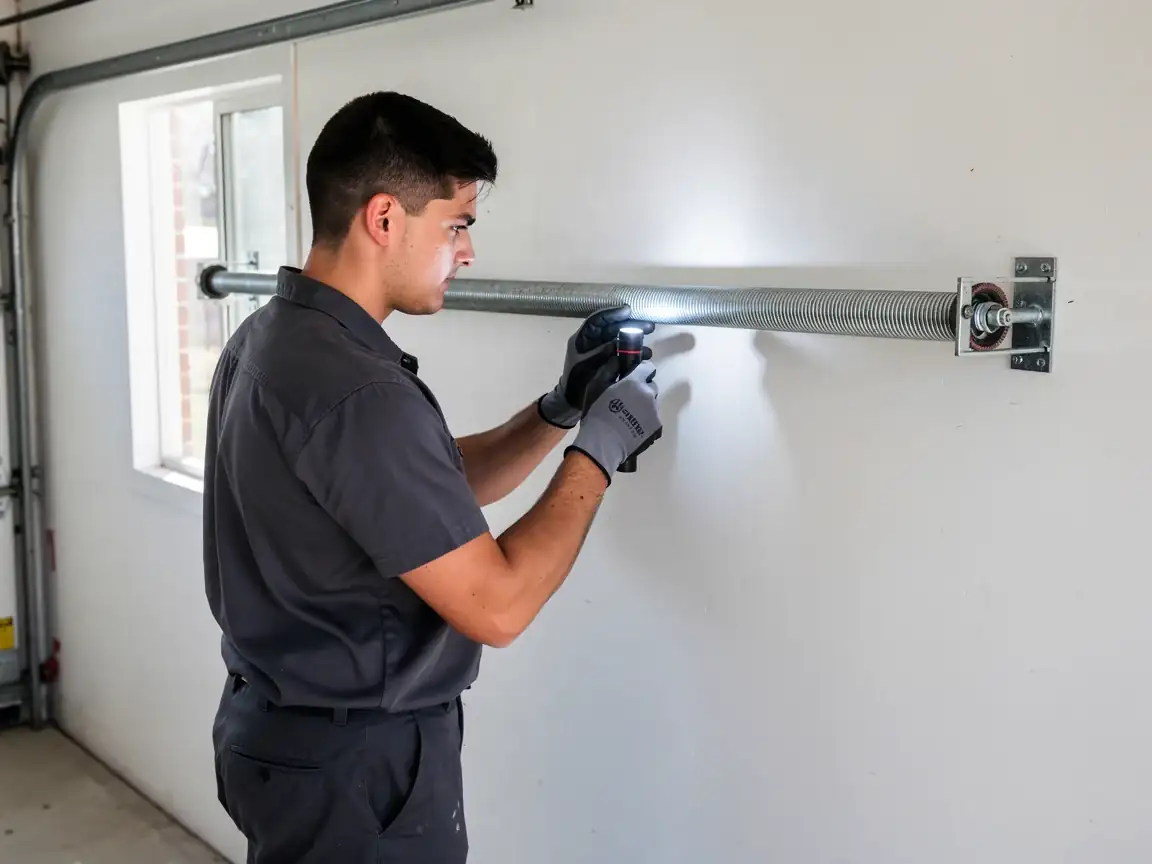
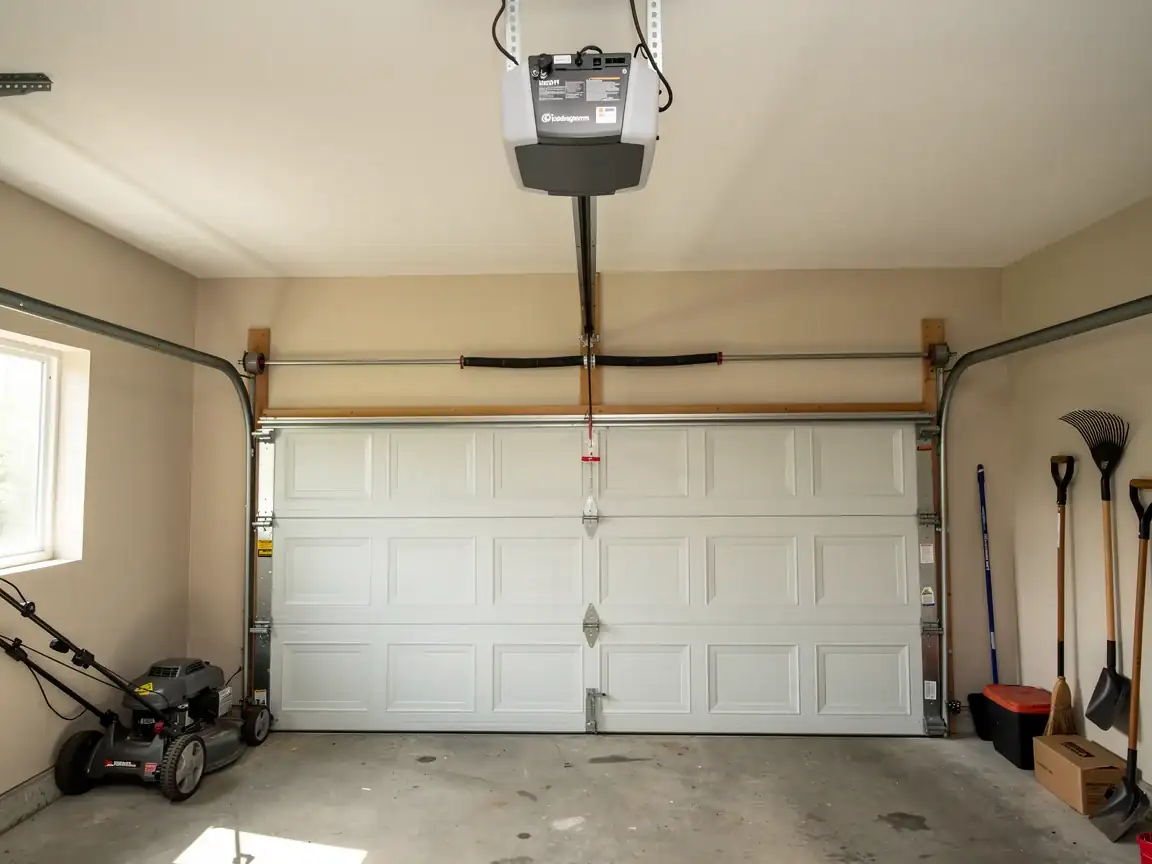
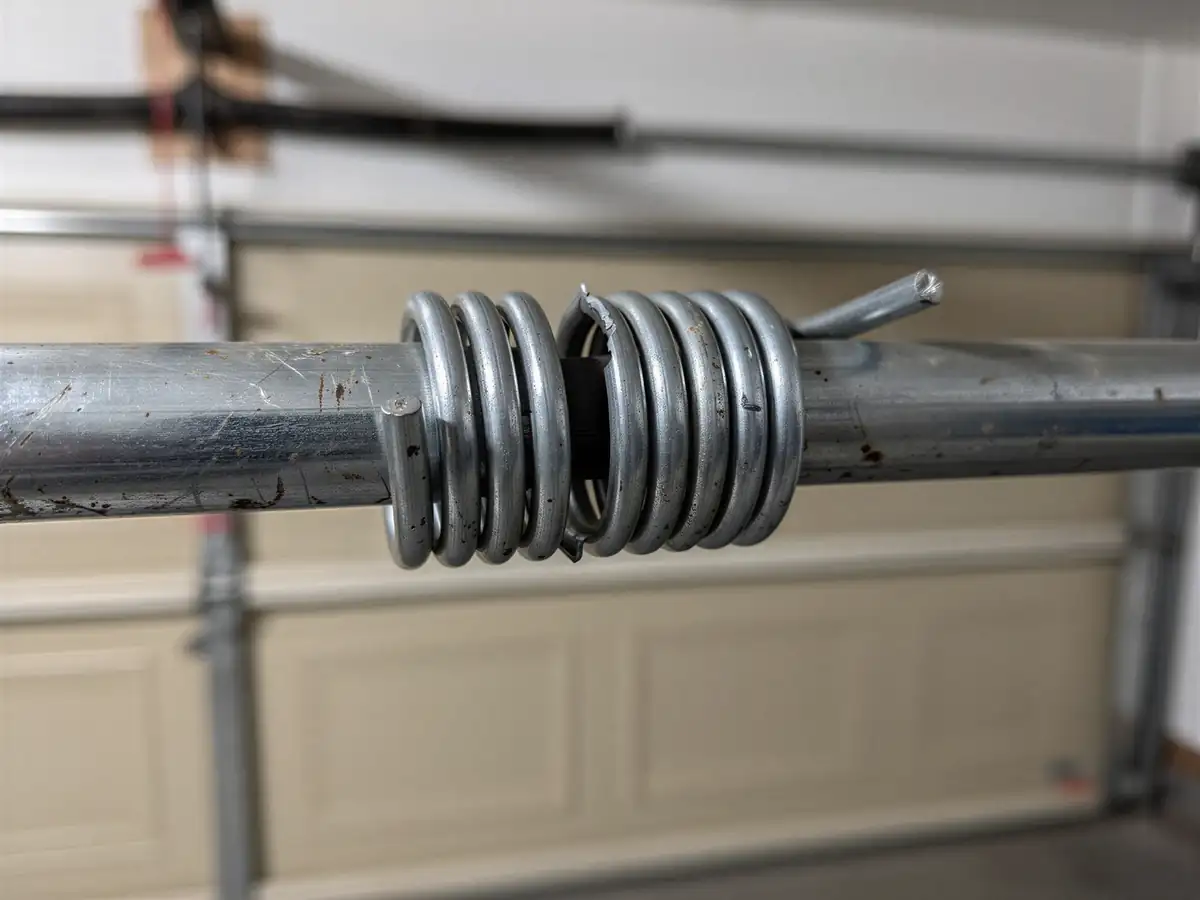
Most emergency calls we get fall into a handful of patterns: a loud bang followed by the door refusing to lift (usually a torsion spring letting go), a door that reverses itself a few inches off the floor (a sensor or cable problem, not the opener), or a door that's fine until it's cold out and then binds halfway on the track. The bang-and-stop is the one people call about fastest, because a broken spring on a double door is heavy enough that you shouldn't try to muscle it up by hand. The slow-binding kind gets ignored longer, which is a mistake - a track that's tightening up in cold weather is usually telling you the rollers or hardware are past due, not that the door is temperamental.
Doing It Yourself
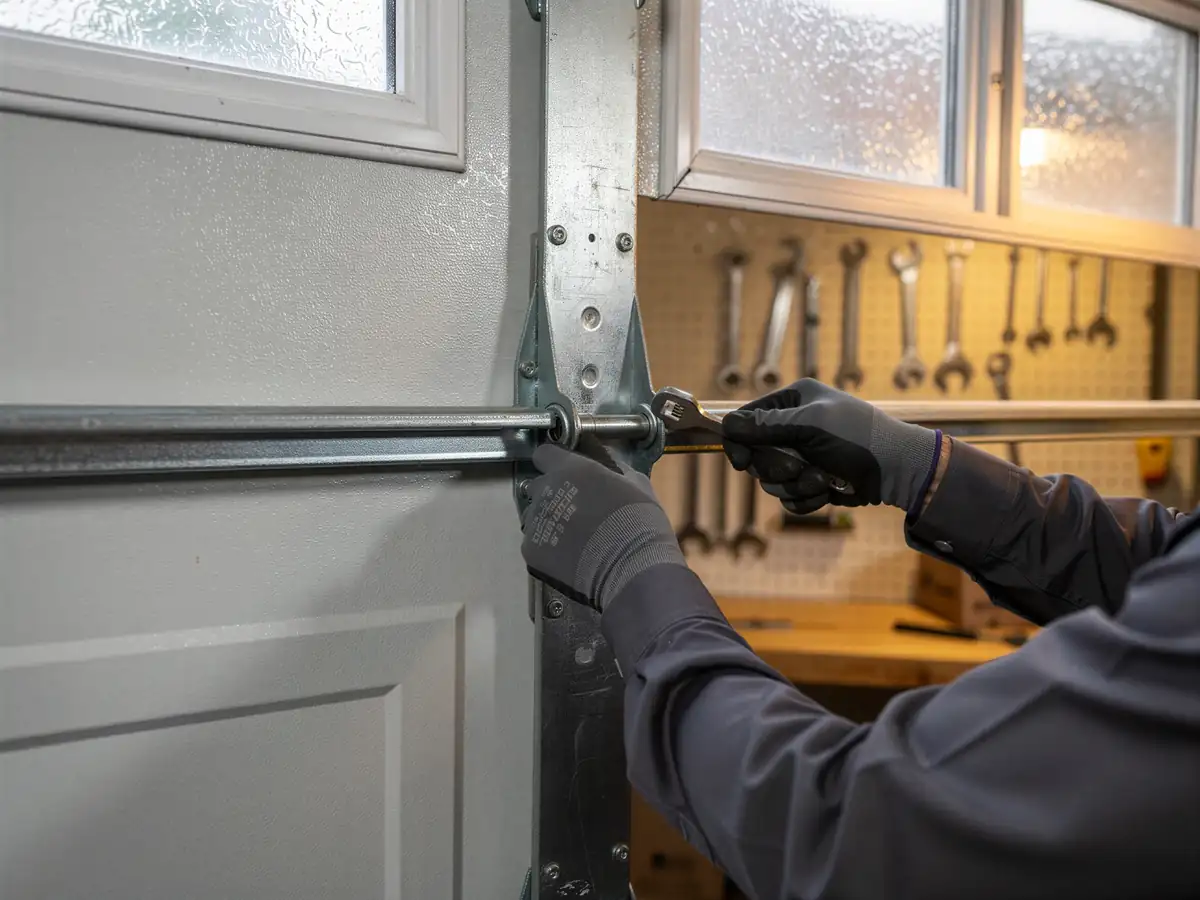
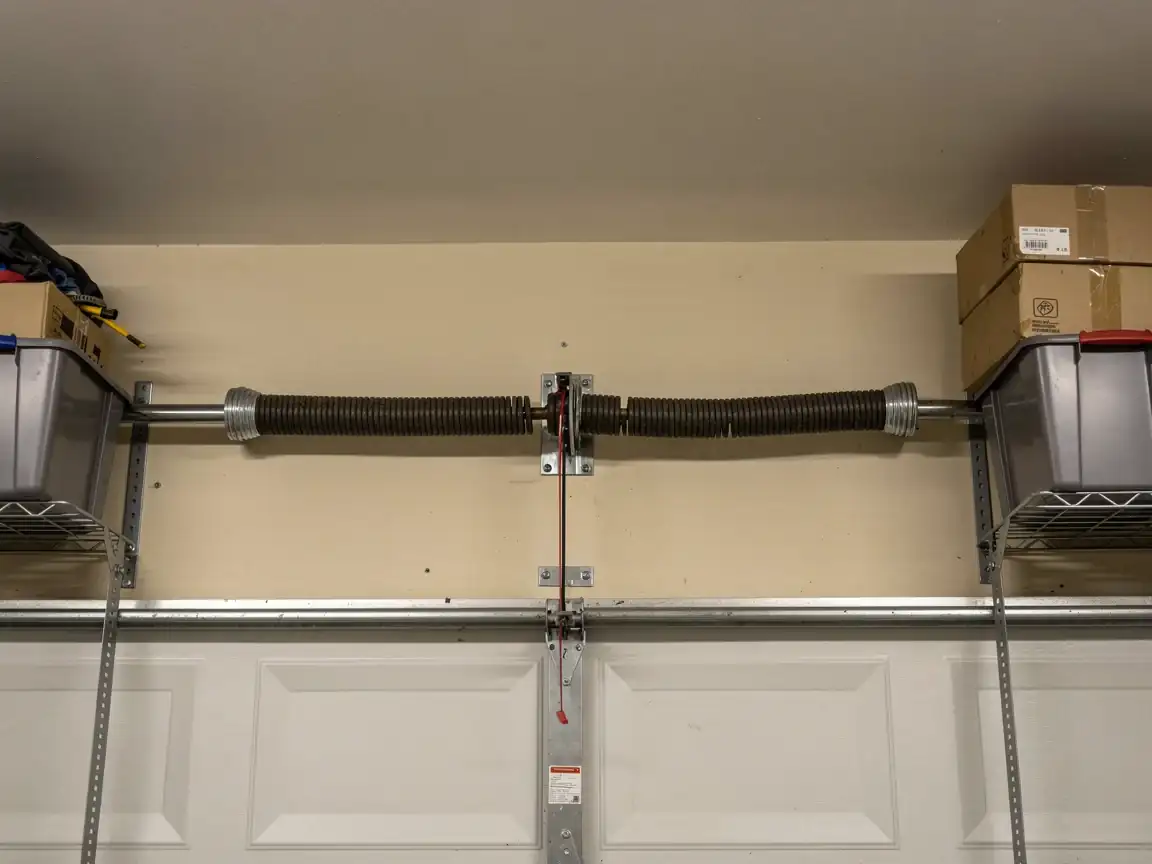
There's a short list of things worth checking before you call anyone. Look at the release cord - if someone pulled it to free the door manually during a power outage, the opener may just need to be reconnected to the carriage, no parts involved. Check that nothing is blocking the photo-eye sensors near the floor; a stray box or a layer of dust can make a perfectly good door act broken. Beyond that, stop. A torsion spring holds enough tension to break a wrist or worse, and on the 1960s-through-90s hardware common in this area, the winding cones aren't always the style people expect from newer kits they've seen online. If the door is off its track, if a cable's frayed, or if you smell burning from the opener motor, that's a call, not a weekend project.
What Causes It Around Here
Housing in this service area was mostly built between 1966 and 1992, with the heaviest concentration from the 1980s and 90s across the three main pockets we work in - Suffolk itself and the surrounding towns out to Windsor, Franklin, and Smithfield. Doors and openers installed during that build window are now 30 to nearly 60 years old if they've never been swapped, and torsion springs in that age range are well past their rated cycle count even if they look fine. The region sits in a cold-moderate climate band, which means steel springs and cables go through repeated contraction and expansion across the winter that newer, more corrosion-resistant coatings handle better than the original-era hardware did. With roughly 4,430 owner-occupied houses among the 7,893 households we draw calls from, a lot of that original torsion and track hardware is still in service, which is the real reason spring failure and cold-weather binding are the two calls we take most.
How it works
From “it’s stuck” to “it’s fixed”
01
Tell us what’s wrong
Describe the symptom - won’t open, loud bang, opener runs but the door won’t move.
02
On-site diagnosis
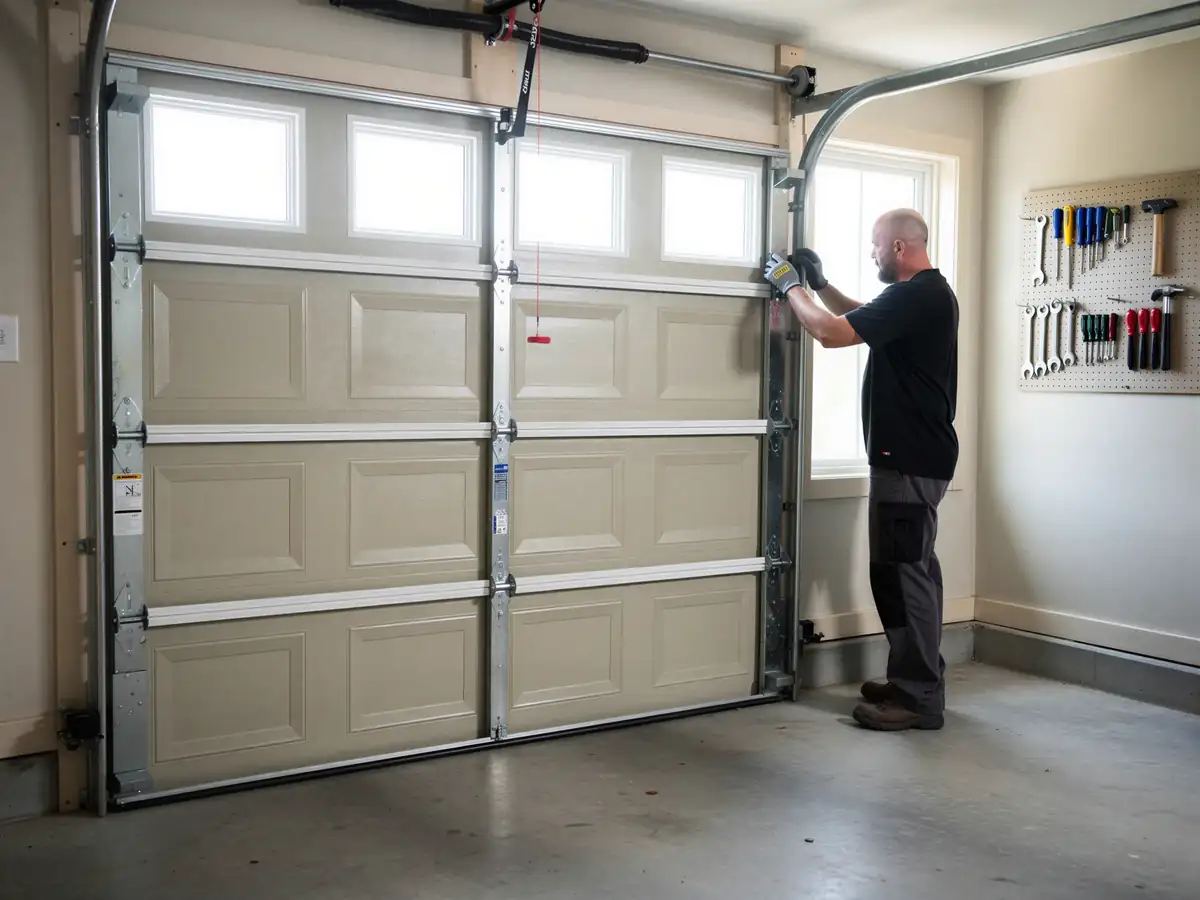
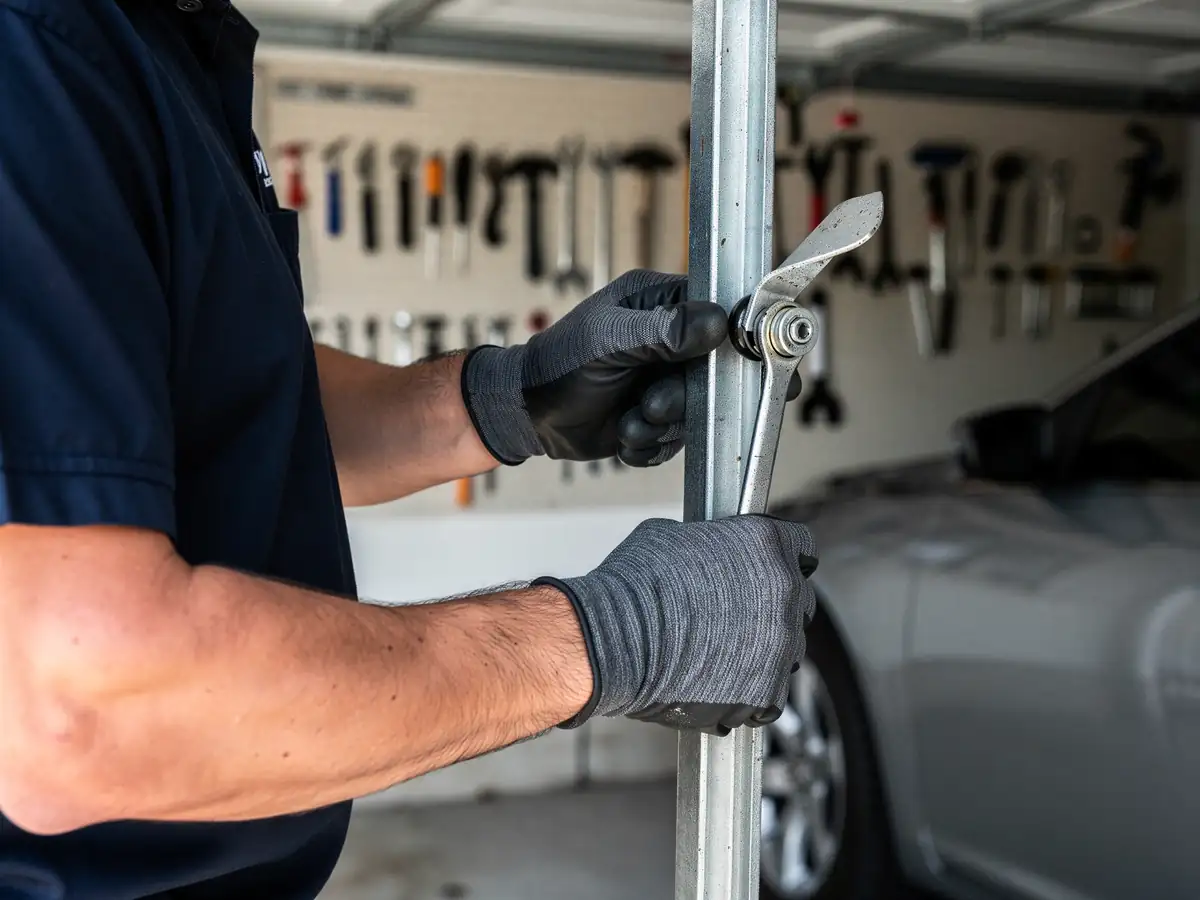
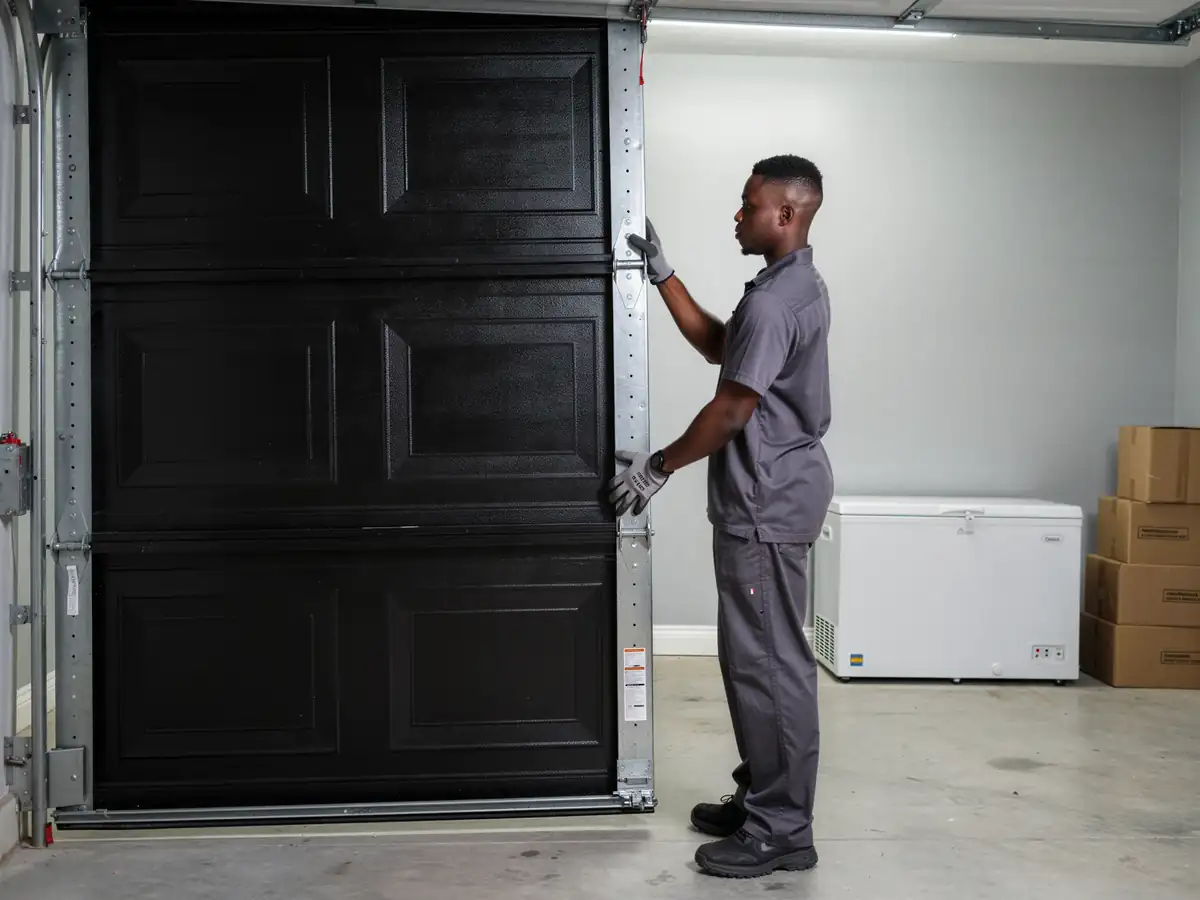
A technician tests the door under power and by hand and finds what actually failed.
03
Clear, up-front plan
You get the fix that’s needed and what drives the cost - before any work starts.
04
Repaired & tested
The repair is done, the door is set true and tested, and the work area left clean.
Not sure which repair your door needs in Suffolk, VA? Describe what it’s doing - every job starts with a diagnosis.
Our service area runs from Suffolk out to Windsor (about 10 miles), and further to Franklin and Smithfield at roughly 17 and 19 miles. If you're in that range and the door is stuck, that's the kind of call we prioritize.
Why did my spring break in cold weather and not before?
Steel contracts in the cold, which adds stress to a spring that's already near the end of its cycle life. In this climate band, that extra winter stress is often what pushes an old, worn spring from "fine" to "snapped," especially on hardware installed decades ago.
Can I replace a torsion spring myself to save money?
We'd rather you didn't. A wound torsion spring stores enough force to cause a serious injury, and the winding tools and cone hardware on older installs aren't always what you'd expect from a newer kit. This is one job worth paying someone for.
My door is from the 1980s - is it even worth repairing?
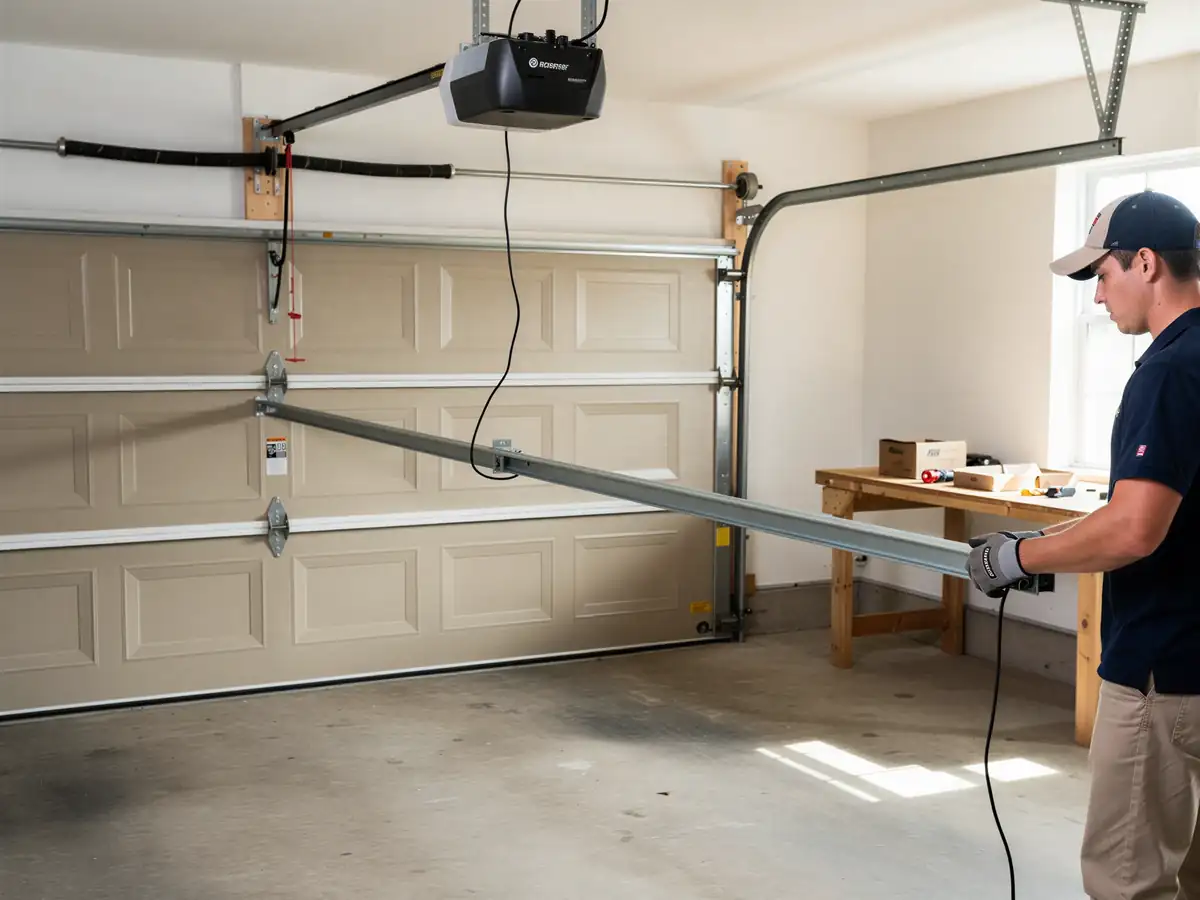
Often yes. A lot of the 1980s and 90s doors in this area have solid panels and tracks; it's usually the spring, cable, or opener that fails, not the door itself. We'll tell you on site if the fix makes more sense than a full replacement.
Ready to get your garage door sorted?
Tell us what it’s doing and where you are in Suffolk - we’ll take it from there.