Parts We Carry
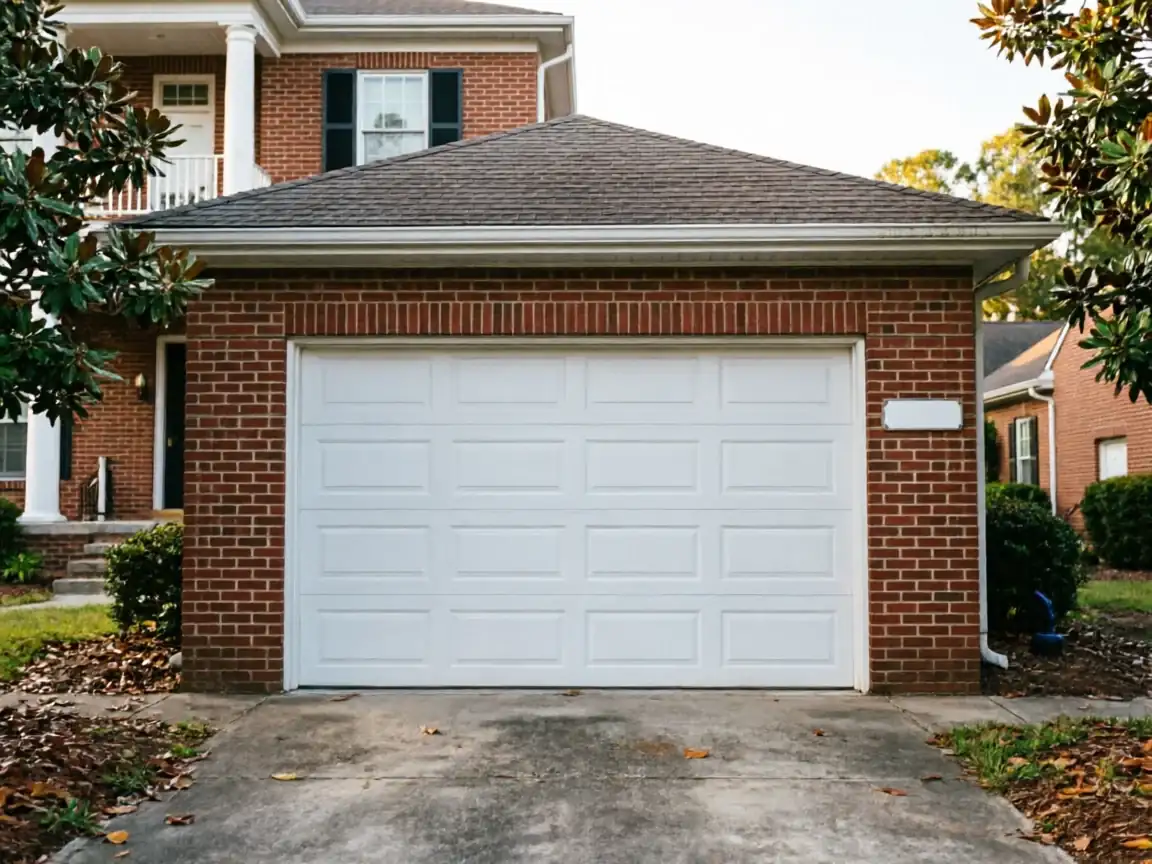
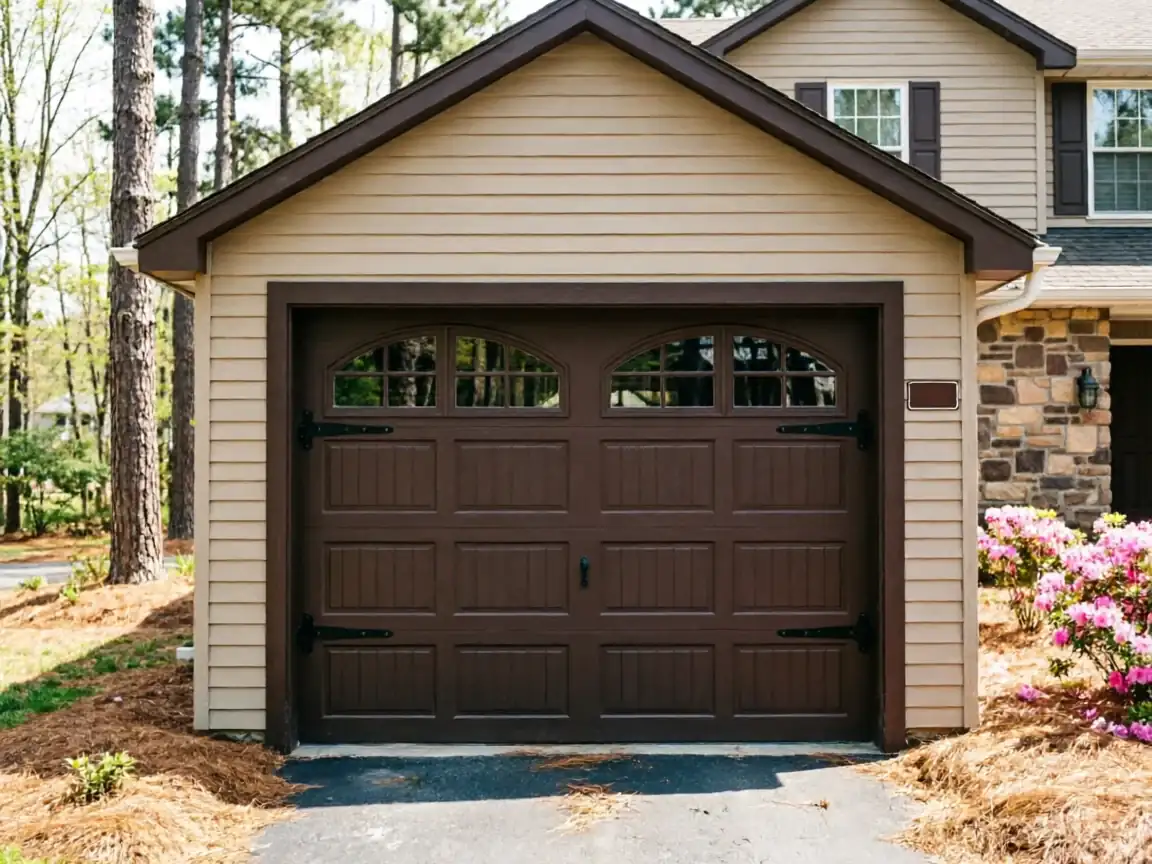
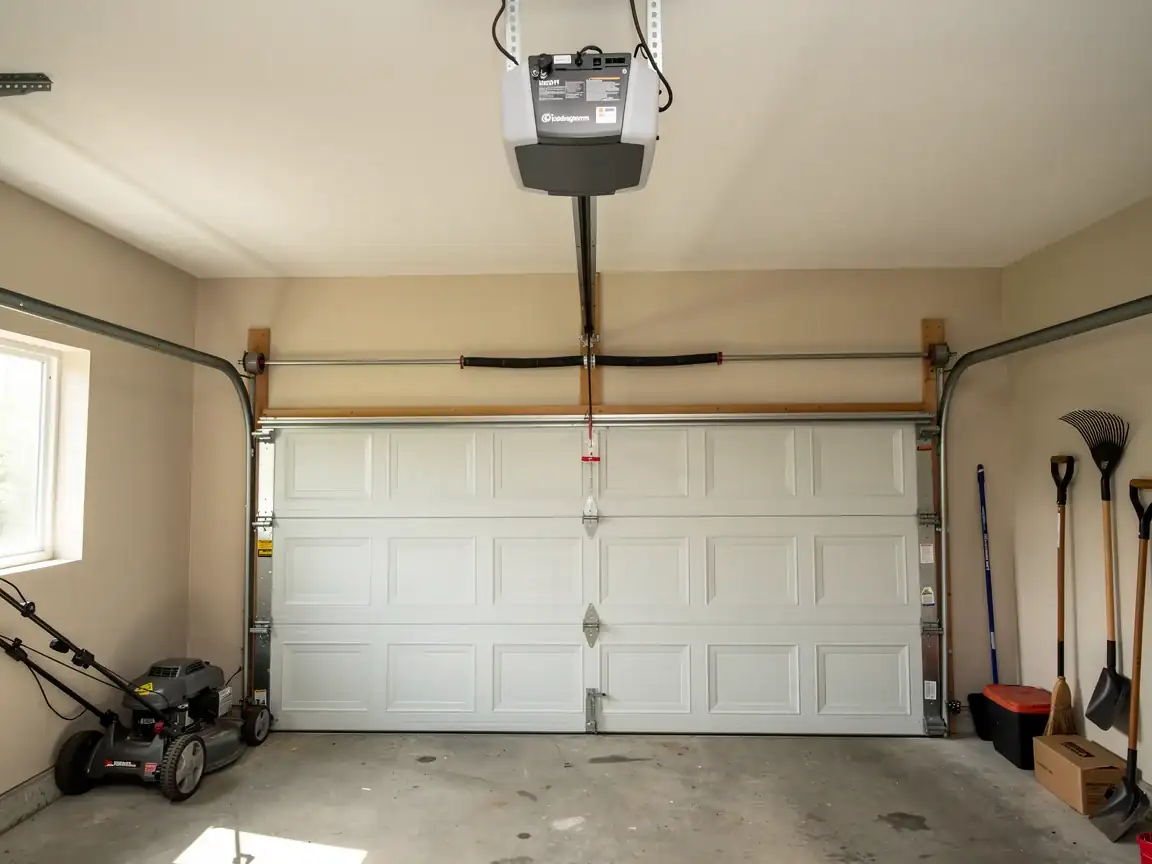
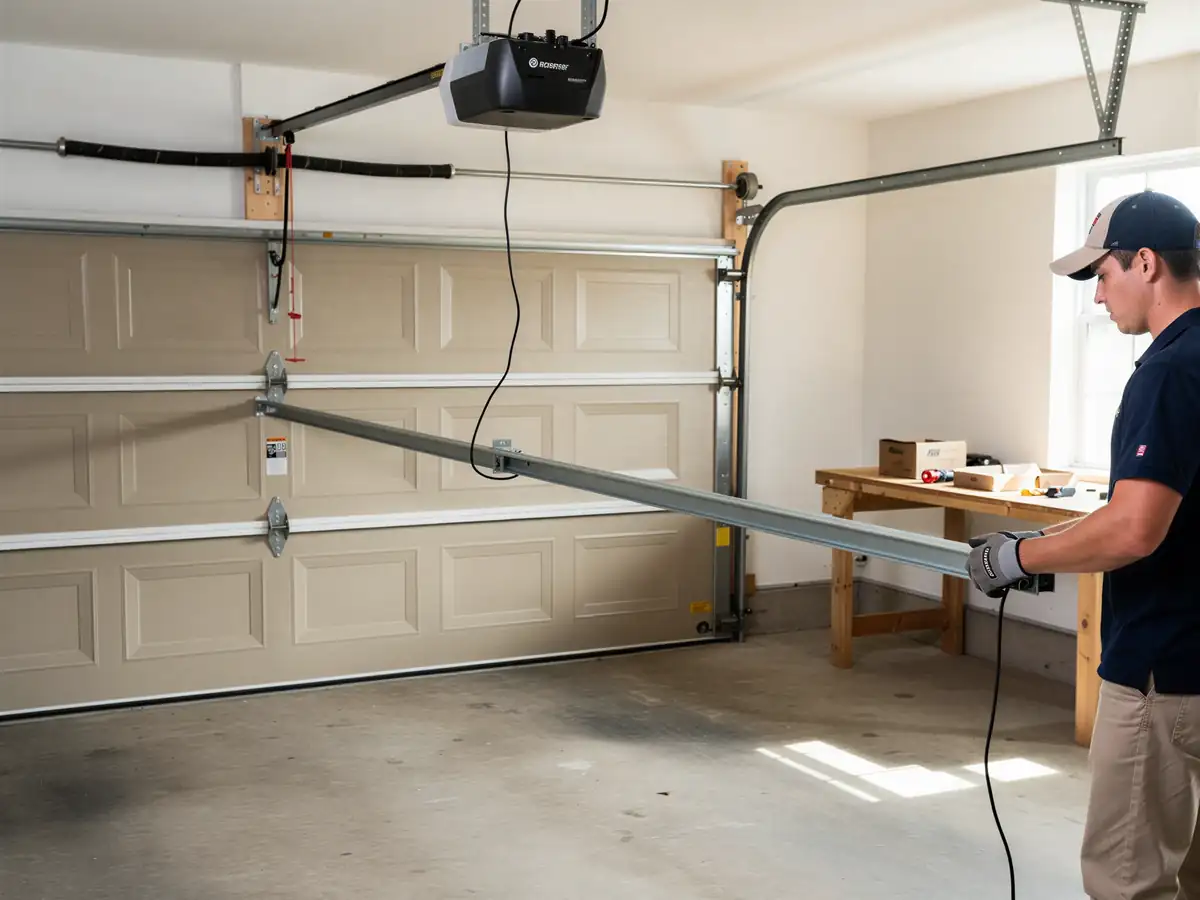
Franklin's housing stock skews older than a lot of what we see elsewhere in the service area - the typical home here went up around 1966, well ahead of the service-wide median of 1991. That means more original torsion springs still on the shaft, more steel track that's never been swapped, and more one-piece or early sectional doors with hardware that newer stores don't carry on the shelf. We keep a working stock of common torsion and extension springs, standard rollers, cables, and hinges on the truck, plus the openers and safety sensors that fit most residential setups. What we don't carry is every obsolete bracket for a door that's been discontinued for decades - those sometimes have to be special-ordered, and we'll tell you up front if that's the case rather than make you wait and wonder.
Doing It Yourself
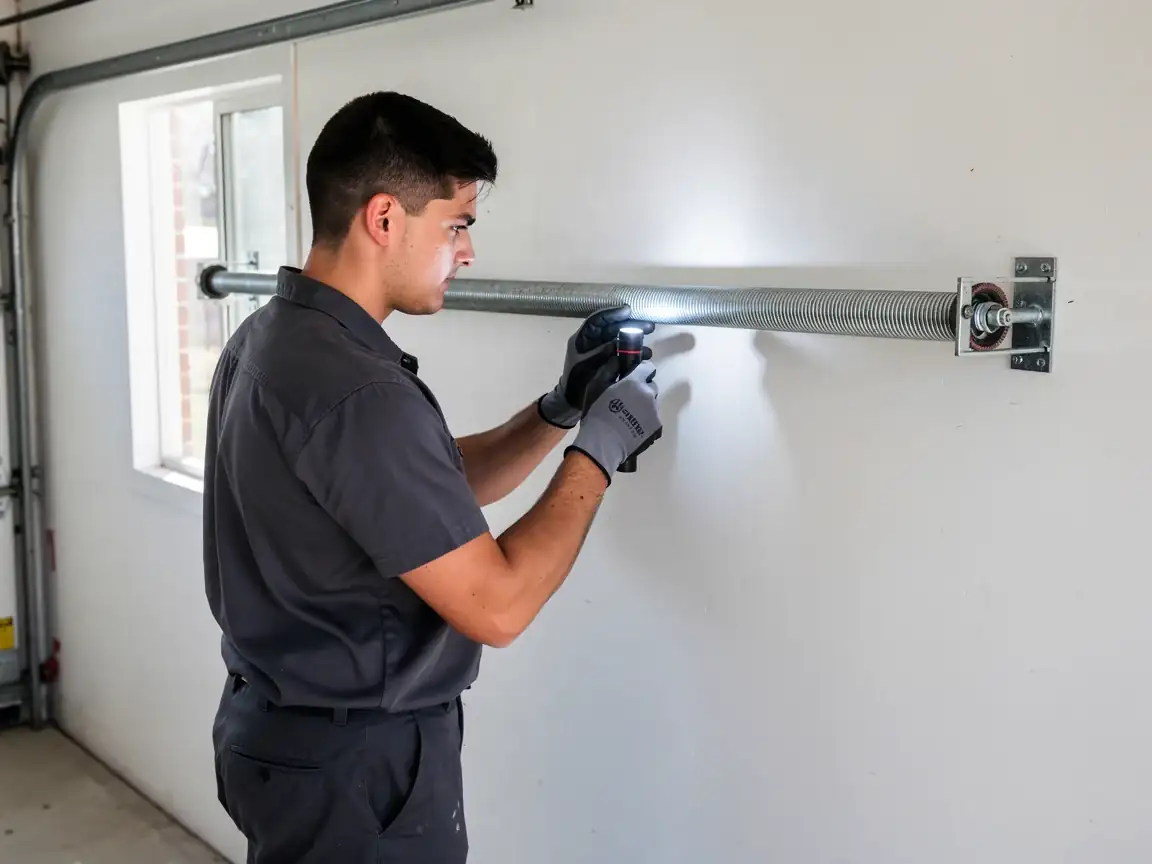
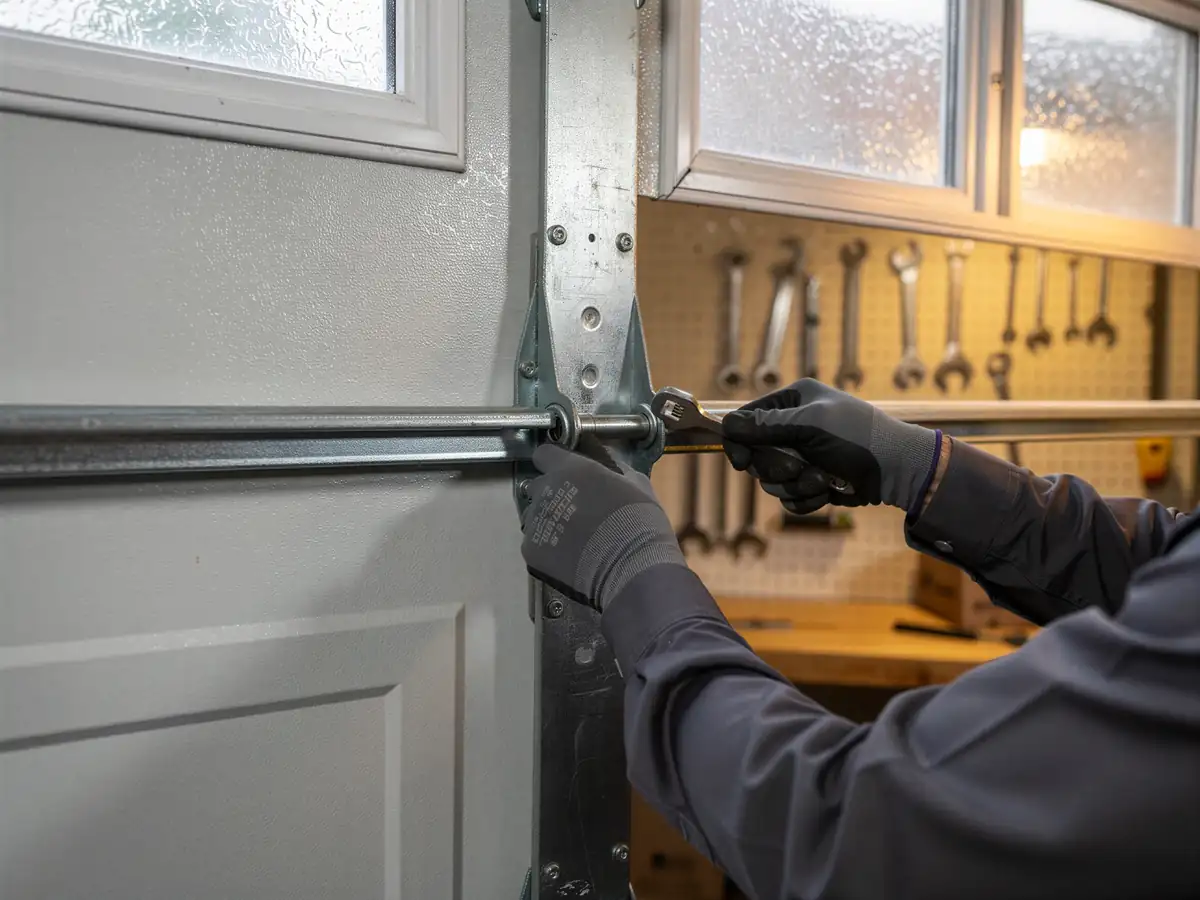
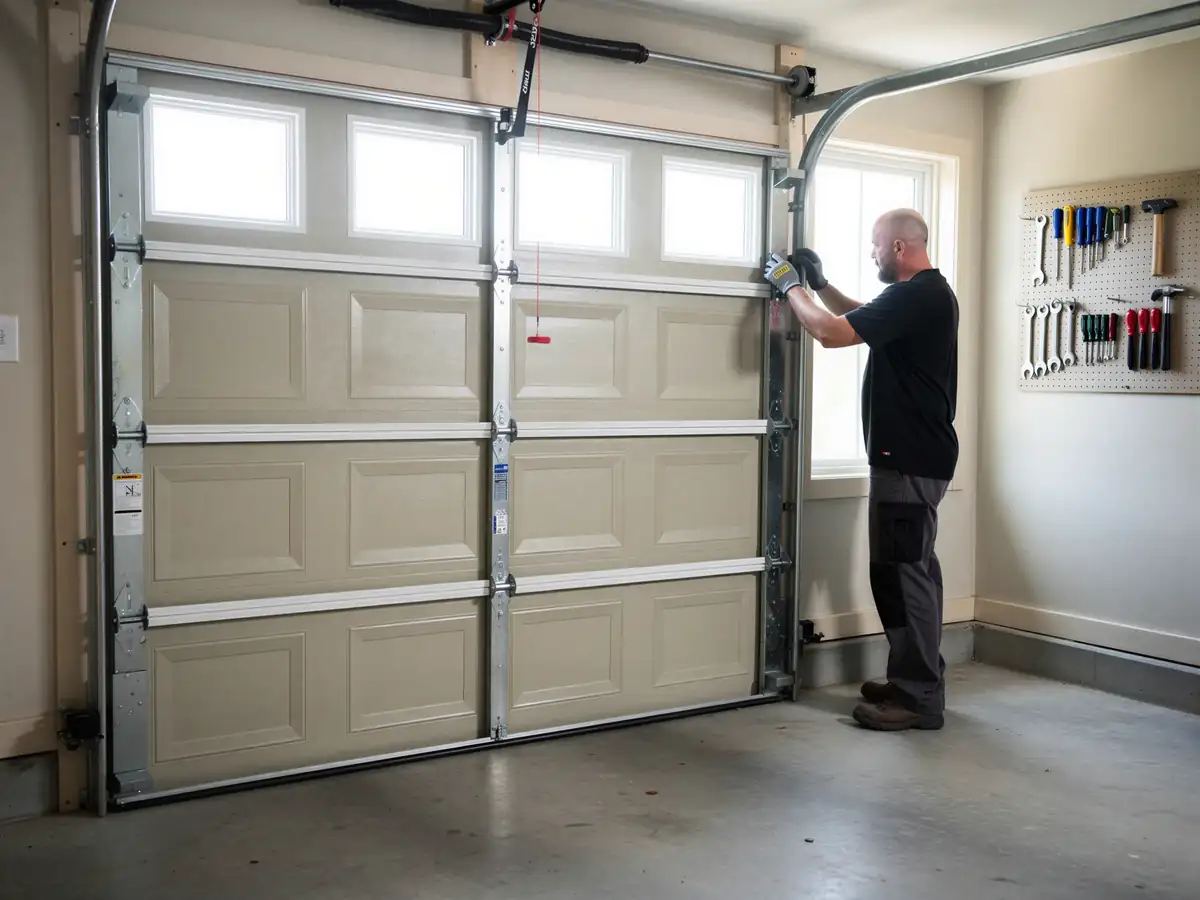
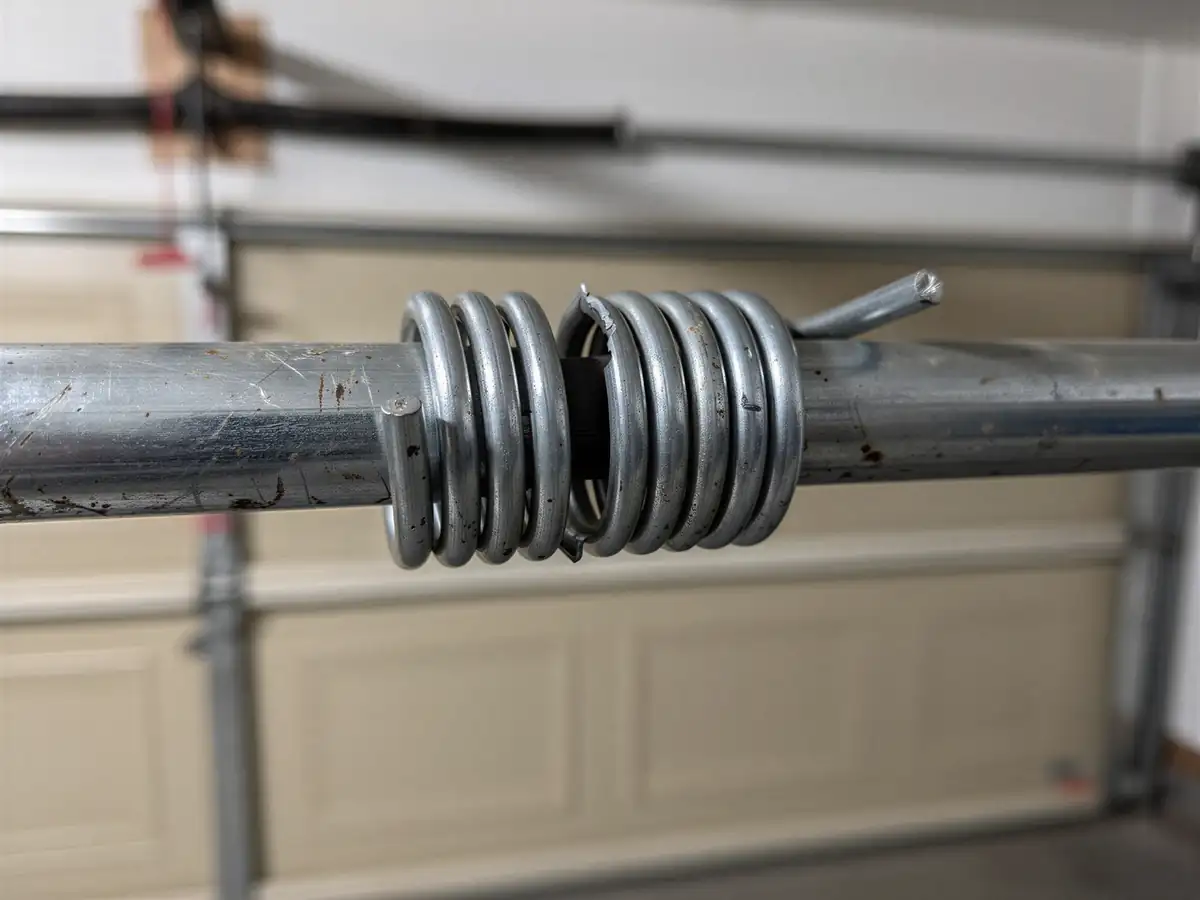
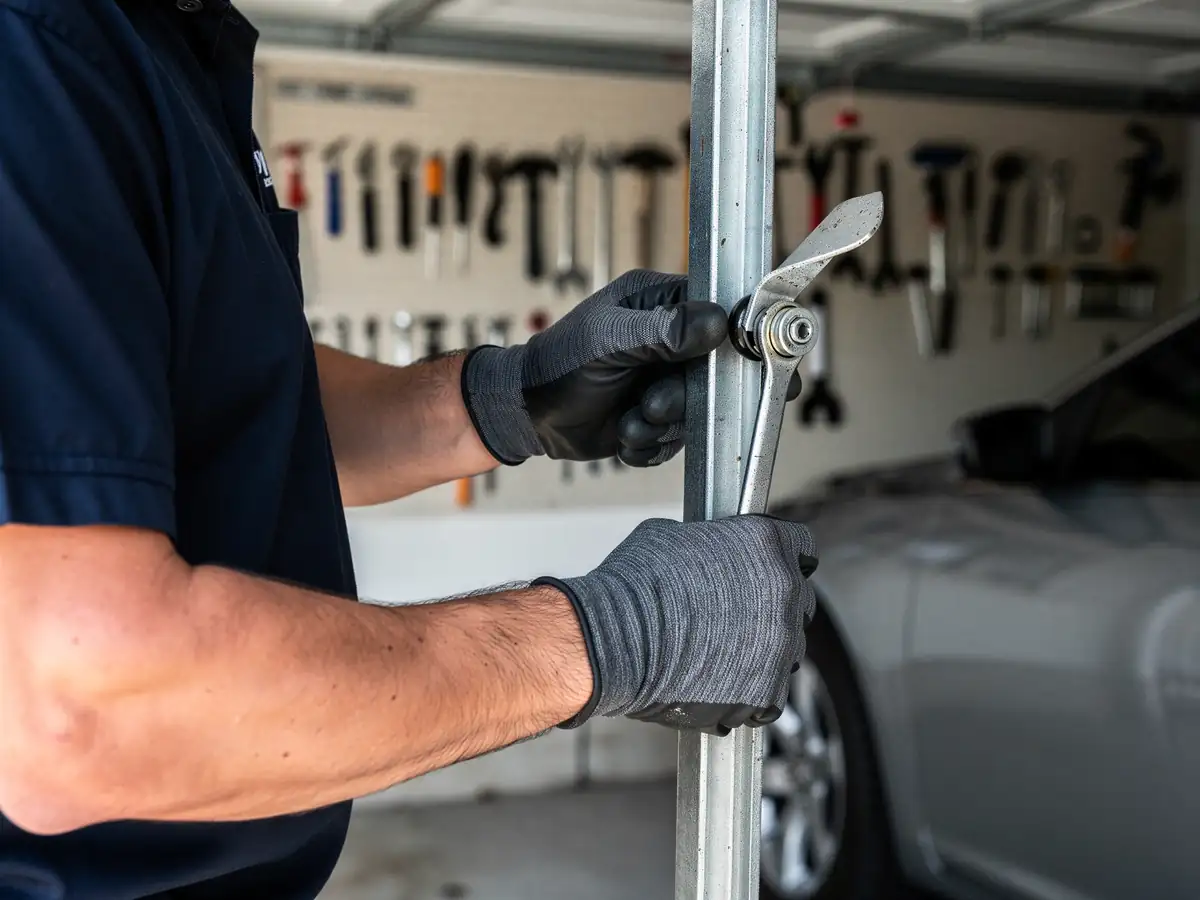
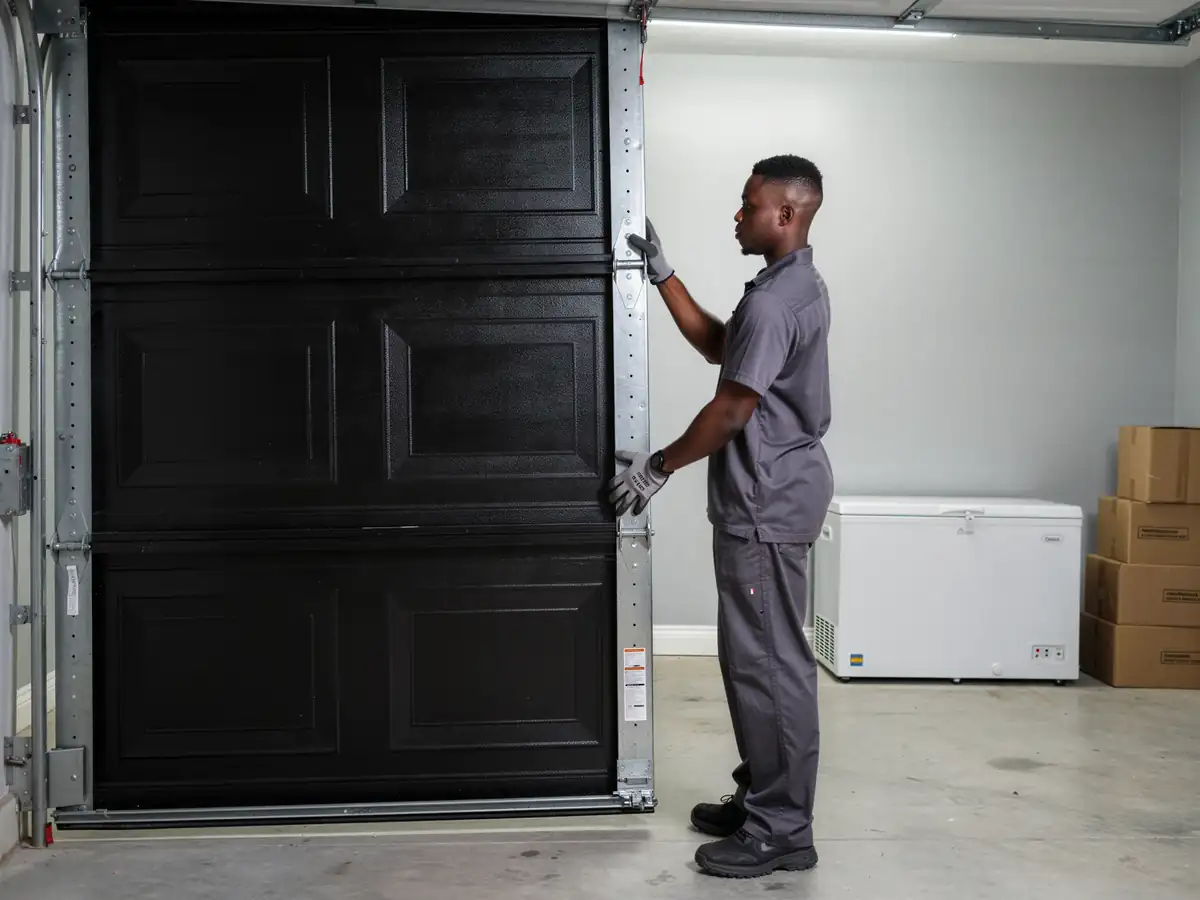
A lot of Franklin's doors are old enough that the torsion spring wind, drum size, or track gauge doesn't match what you'll find at a hardware store, and guessing wrong on a spring under tension is how people get hurt. If your door is sagging on one side, the cable has come off a drum, or the opener is grinding instead of lifting, that's a call-it-in job, not a weekend project. Lubricating hinges and rollers, tightening loose bolts on the track, and keeping the sensor eyes free of dust - that's reasonable DIY work on a door of any age. Replacing a spring, swapping a cable, or realigning bent track on a 1960s-era door is not, especially once rust has set into the hardware, which we see more often on doors that have sat through this area's cold winters without the springs ever being replaced.
What Can Go Wrong
Franklin sits in a cold-moderate climate band, and that matters more for a 1966-era garage door than people expect - repeated freeze and thaw works on the metal fatigue in an old torsion spring faster than steady weather does, which is part of why springs on original hardware tend to go in winter rather than July. Rust on cables and drums is common on doors that have never had the hardware replaced, and once a cable frays near the drum it can snap under load, which is a safety issue, not just an inconvenience. Rollers on original track wear unevenly over fifty-plus years of use, and openers from an earlier generation often lack the modern safety reversal sensors, which is worth flagging even if the opener still runs fine day to day.