Parts We Carry
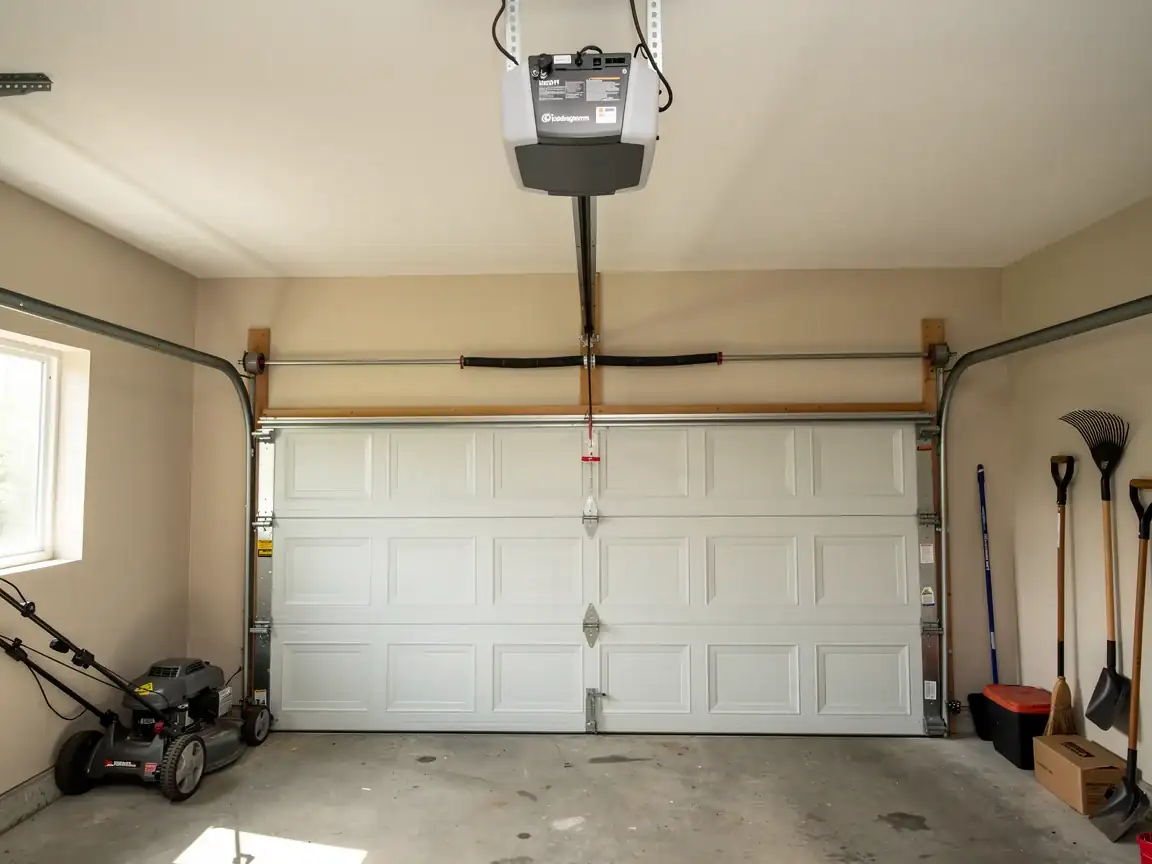
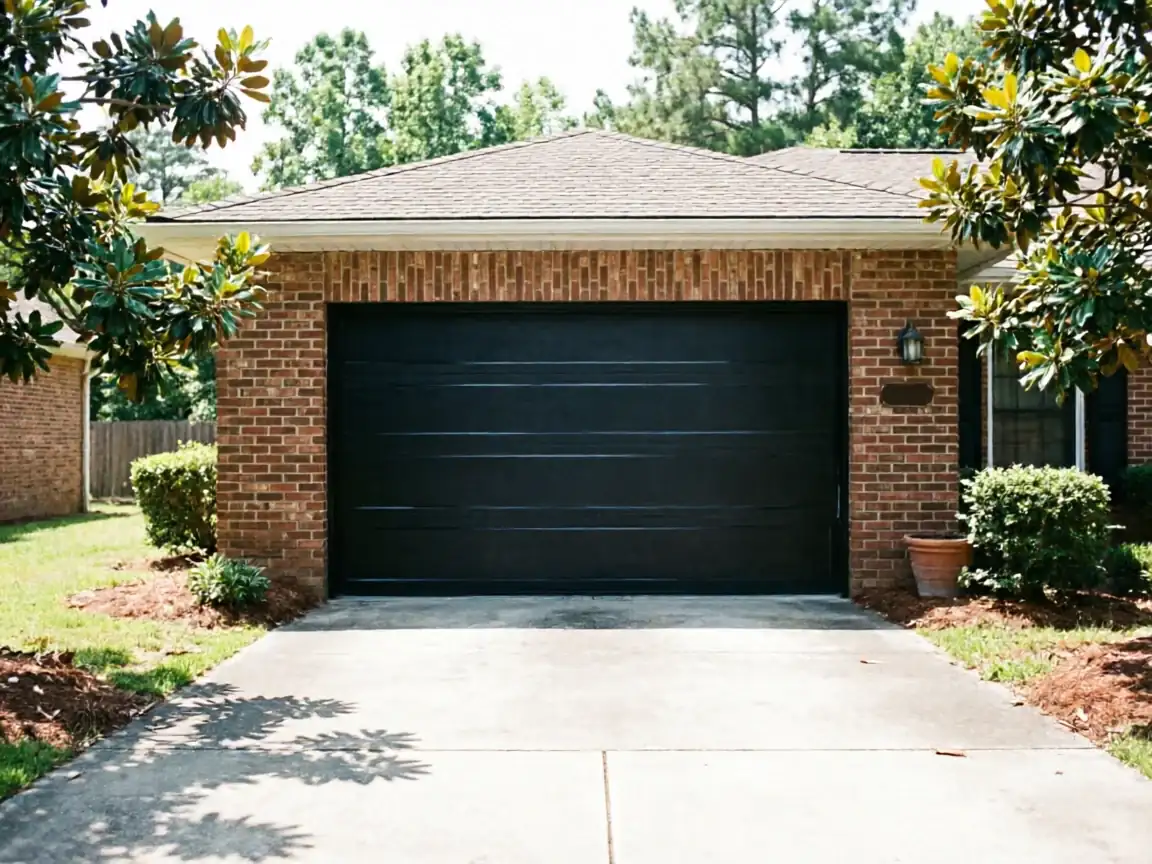
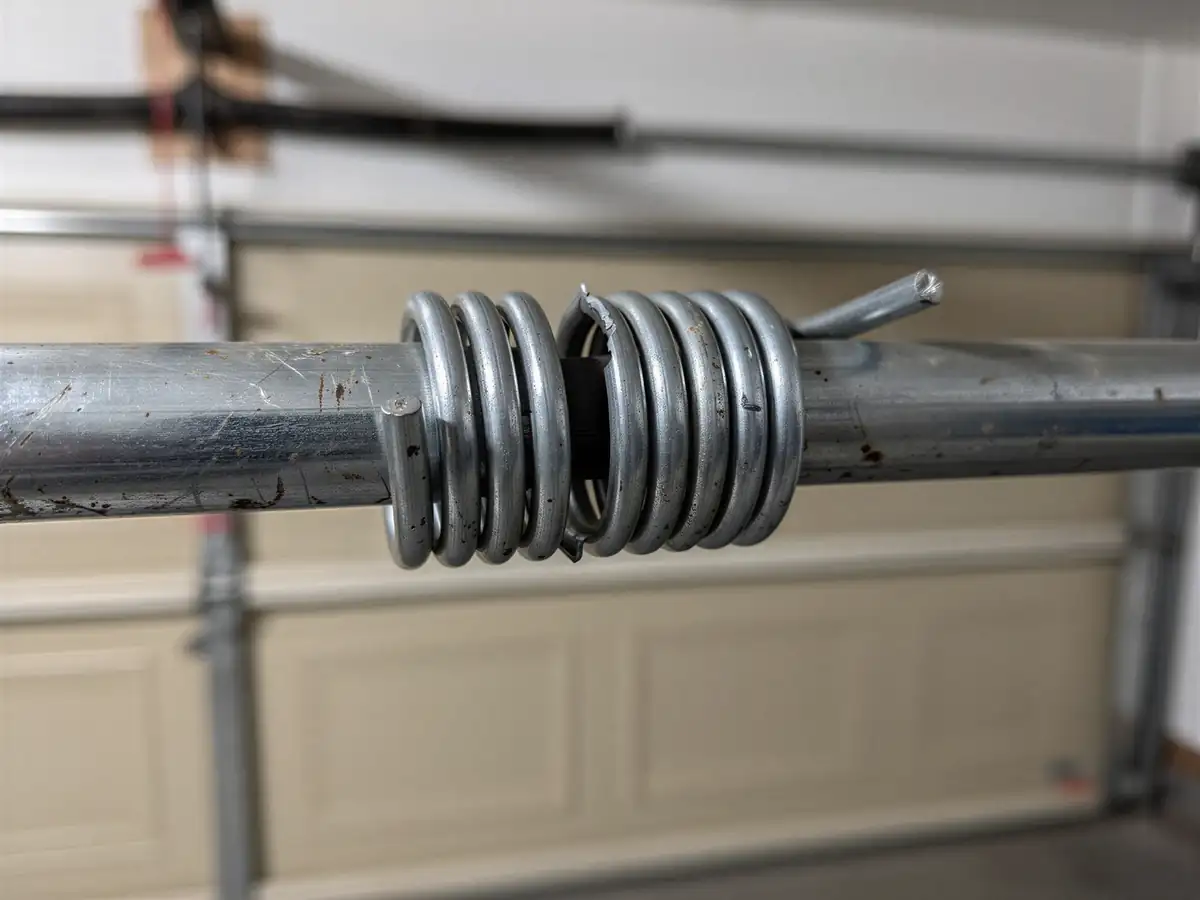
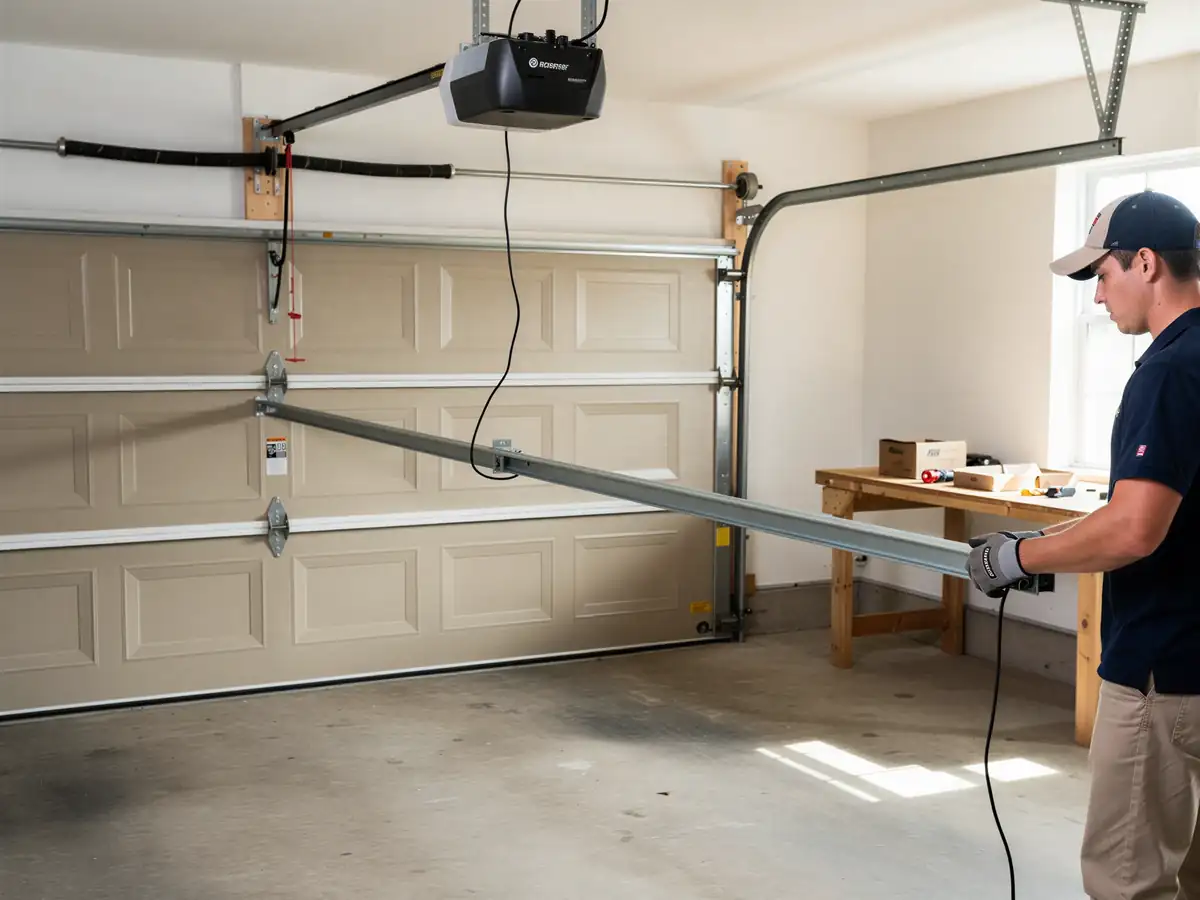
For a house built around 1966, the garage door itself has usually been replaced at least once by now, but the opener bracket, header reinforcement, and sometimes the track are original-era hardware sized for heavier doors than what's common today. We carry openers that work with both standard torsion setups and the older extension-spring doors still hanging on in some of these garages. If your door is original wood, it's heavier than anything made now, and that changes which opener horsepower actually makes sense - a 1/3 HP unit built for a modern steel door will strain against a solid wood panel door every single cycle. We stock the belt and chain drive units most households around here end up choosing, plus the mounting hardware for older header framing. What we don't stock on the truck is anything built for a door style we haven't seen out this way - if your garage turns out to need a specialty part, that's a return trip, not a same-day fix, and we'll tell you that up front rather than pretend otherwise.
Doing It Yourself
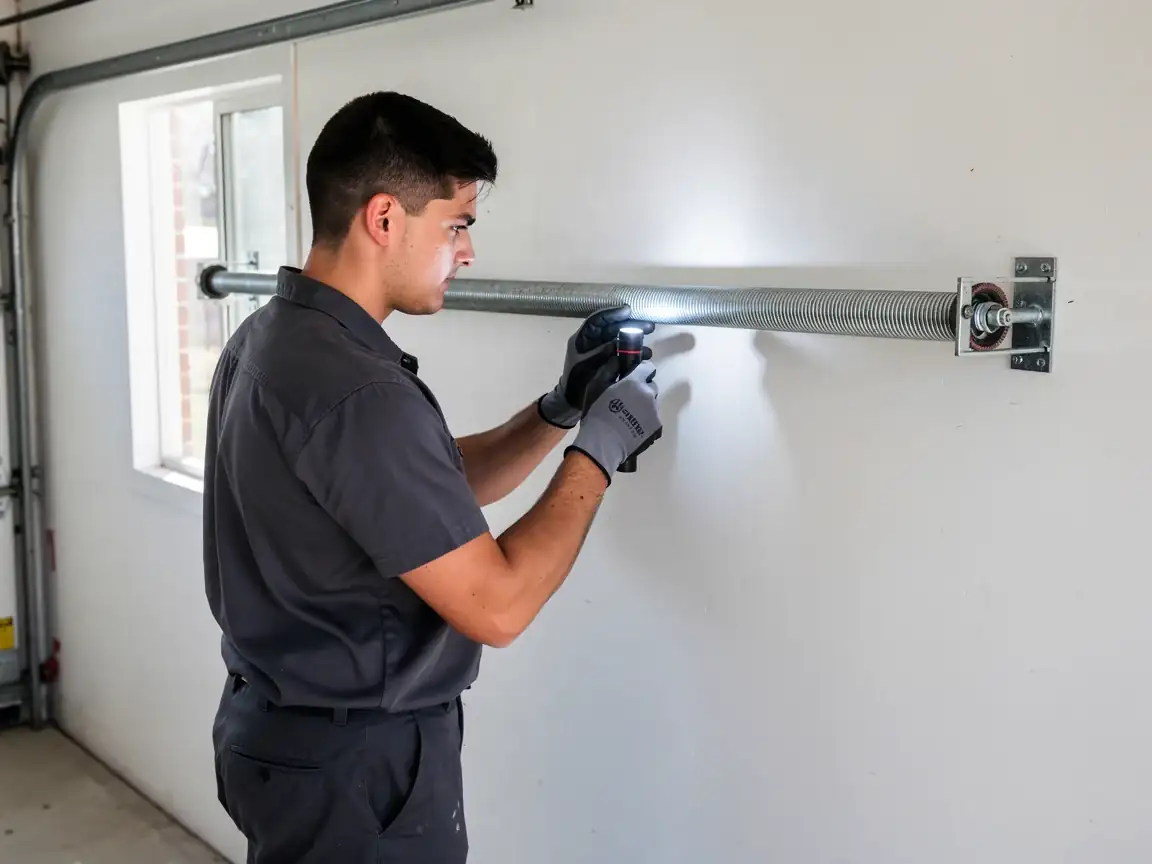
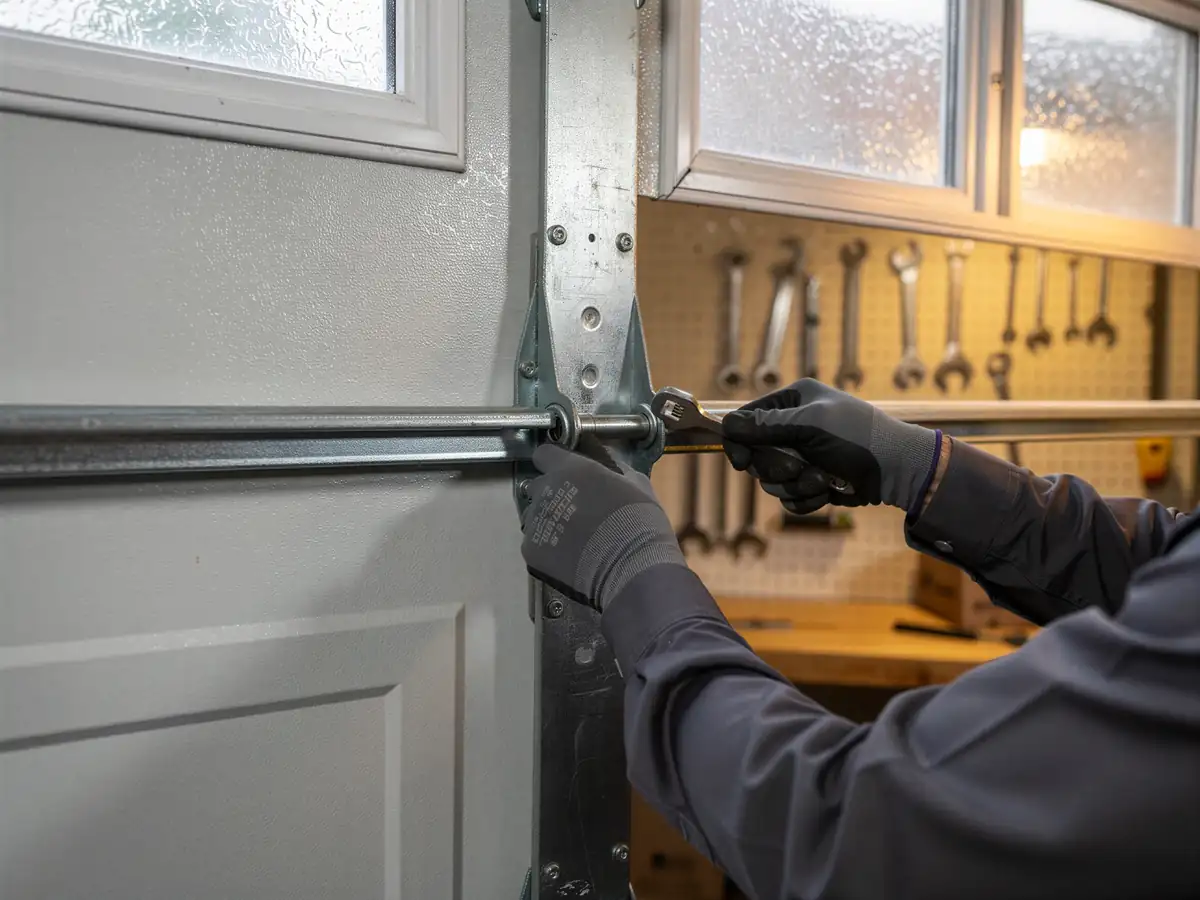
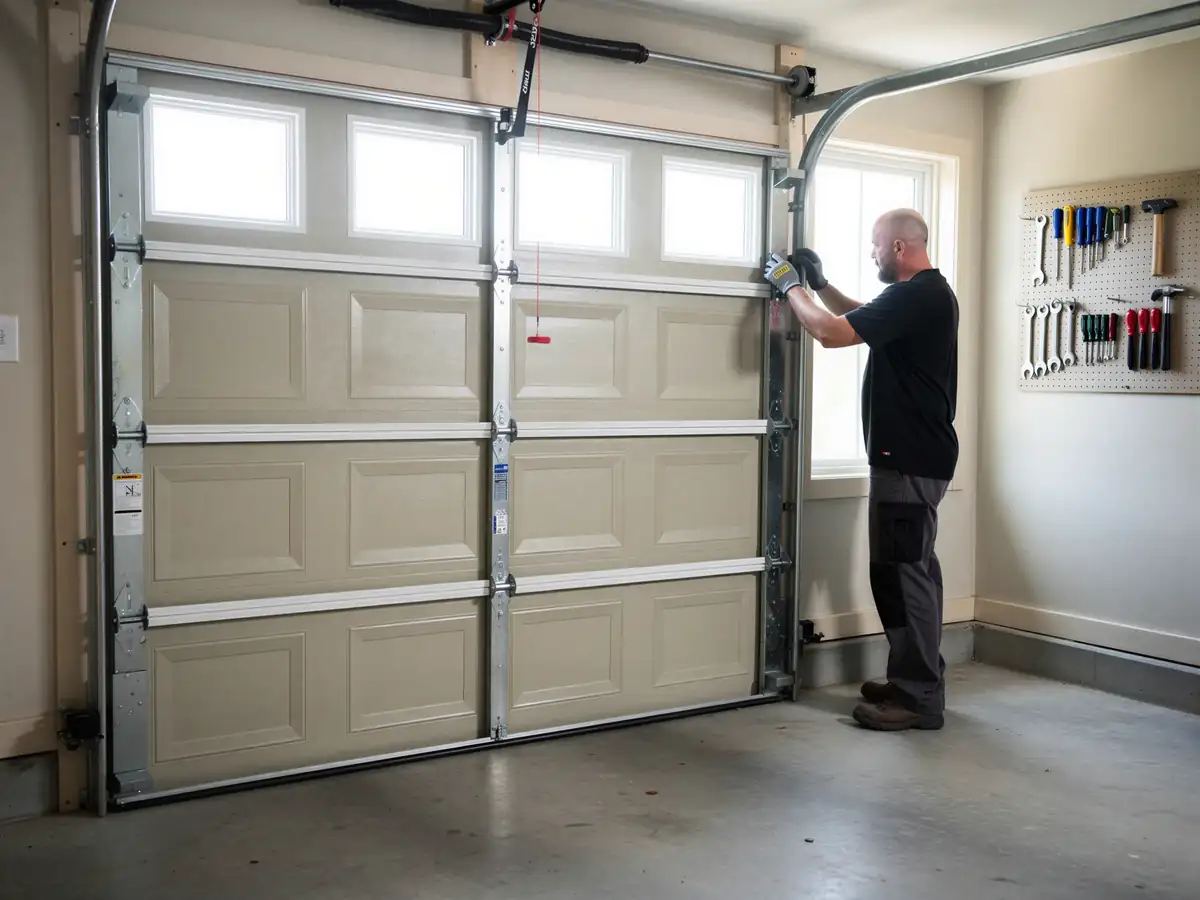
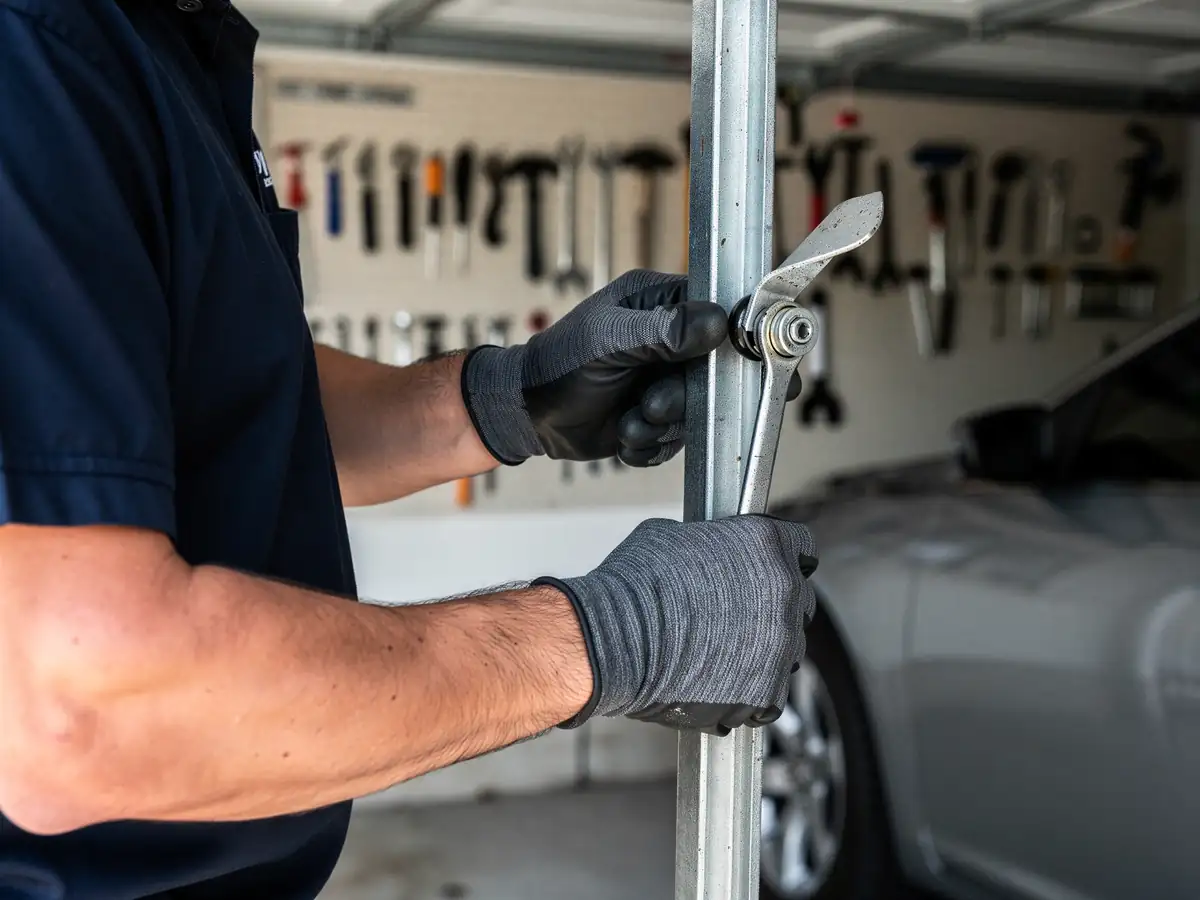
A boxed opener kit assumes a door built to current spring and track tolerances, and a lot of Franklin's doors predate that. If your door is original or near-original to a mid-1960s build, the first problem isn't the opener, it's whether the door balances correctly on its own before anything motorized gets attached to it. Installing an opener on an unbalanced door just means the motor fights the imbalance every time it opens, and that wears the gear set down fast. We're not going to tell you it can't be done - plenty of homeowners handle a straightforward swap on a newer door fine. But on an older door with original hardware, the safety reversal sensors and the force settings need to match a door and spring combination that a generic install manual isn't written for. That's the part where a DIY job on a house this old tends to go sideways, not the wiring.
What Can Go Wrong
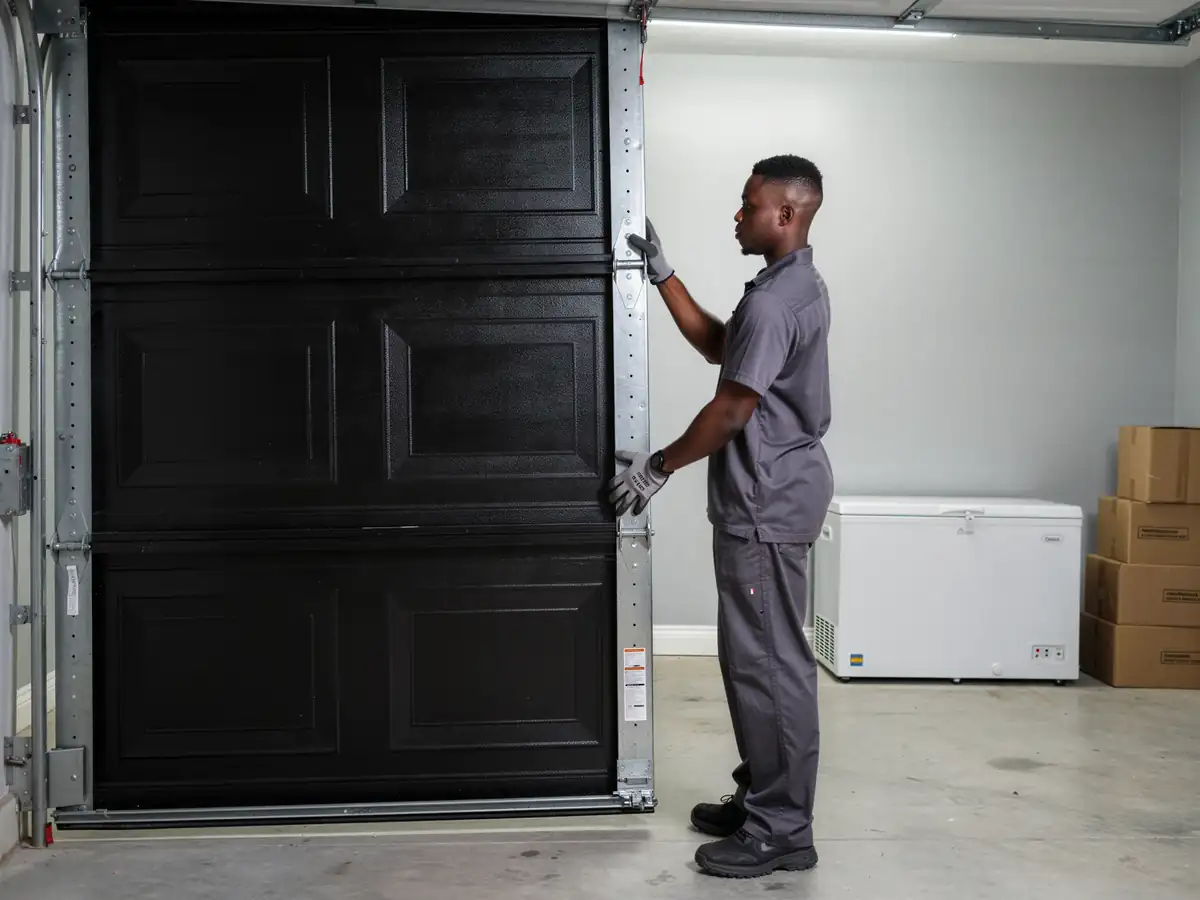
The most common issue on a house this age isn't the opener itself, it's what it's being mounted to. A header board that's been fine holding a static door for decades can flex once a motor starts pulling on it daily, and that shows up as a sagging door or a opener that strains on every cycle. Original wood doors also absorb moisture differently than steel in the area's cold, damp winters, which changes their weight seasonally and can throw off an opener's force setting a few months after install. We'll flag it if your door's structural condition means a new opener is going to be fighting a losing battle - sometimes the honest answer is that the door needs replacing before an opener install makes sense, and we'd rather say that than sell you a motor that burns out in two years.