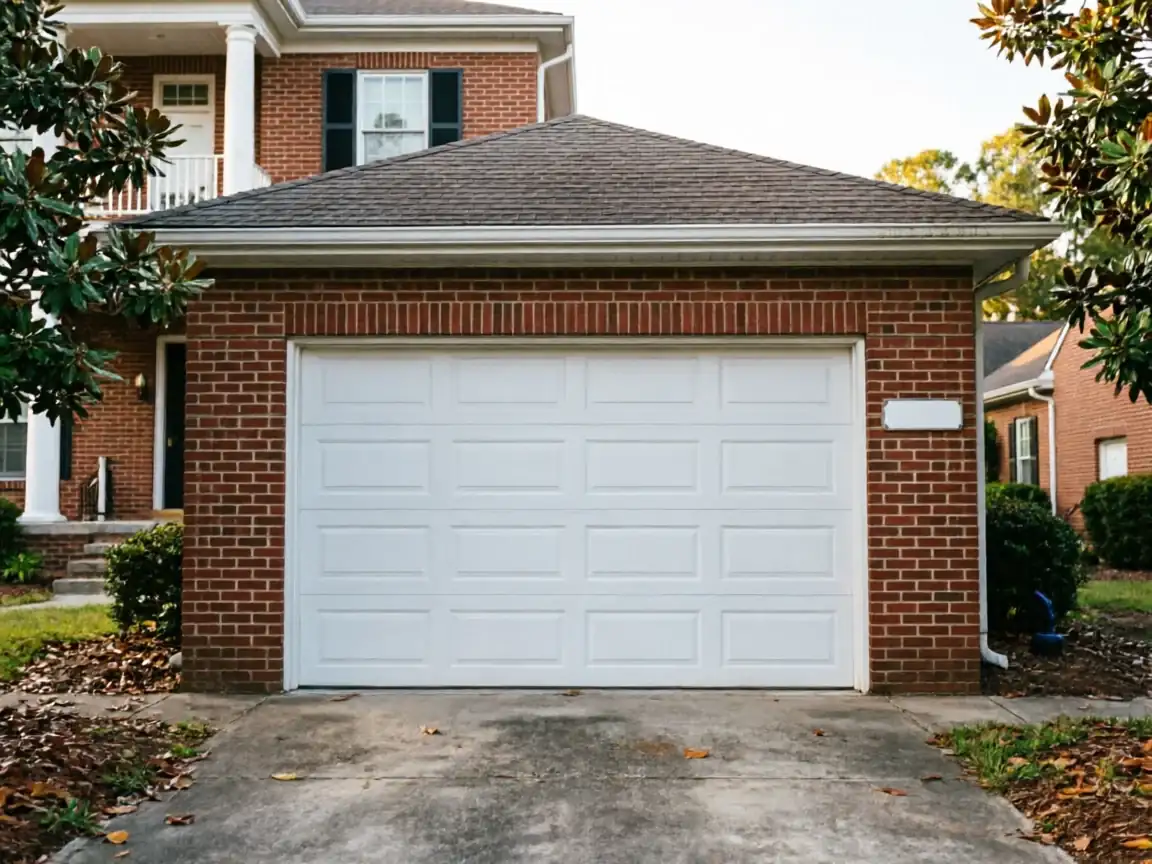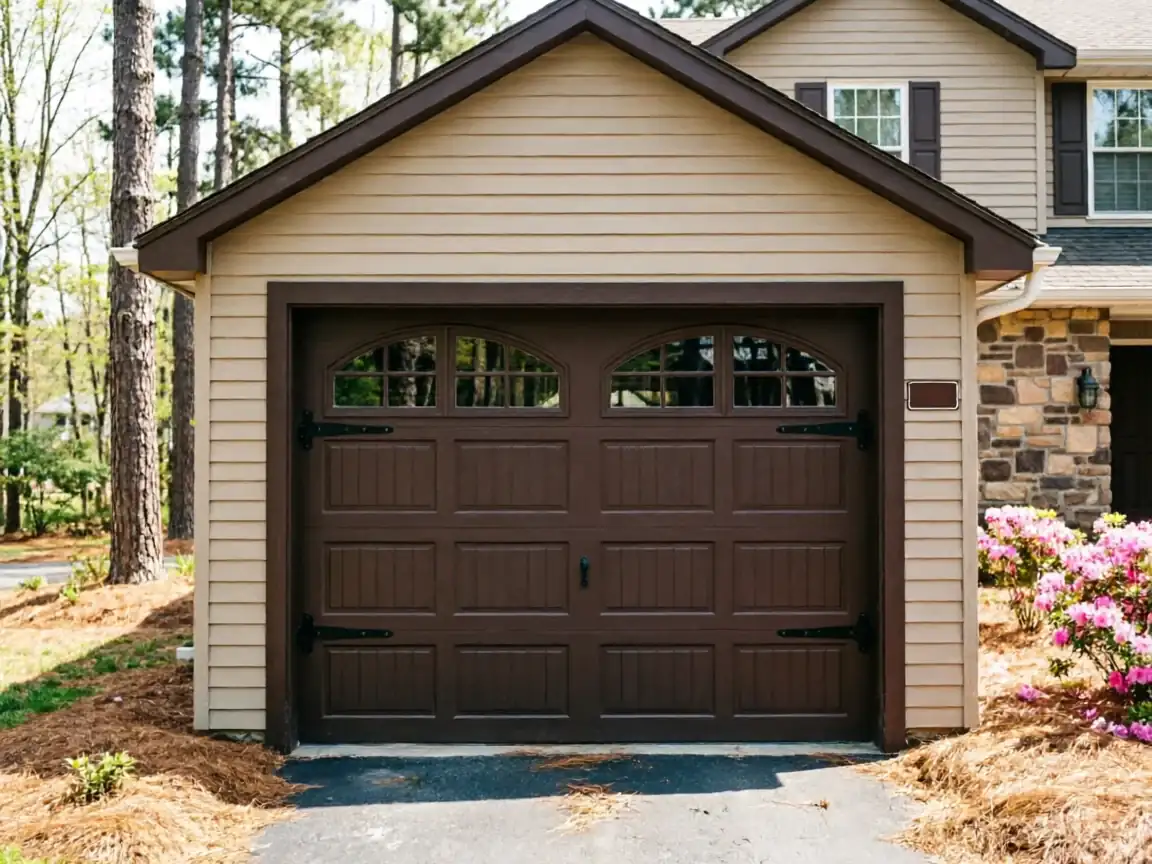
Doing It Yourself
A torsion spring under a garage door holds enough stored energy to break a wrist or worse if it lets go while you're working on it
That's true everywhere, but it matters more here because Smithfield sits 19 miles from our shop in Suffolk - if a DIY attempt goes wrong, you're not five minutes from help, you're looking at a longer wait for anyone to reach you.
- 19 miles
We'll say it plainly: we don't recommend homeowners replace a torsion spring themselves
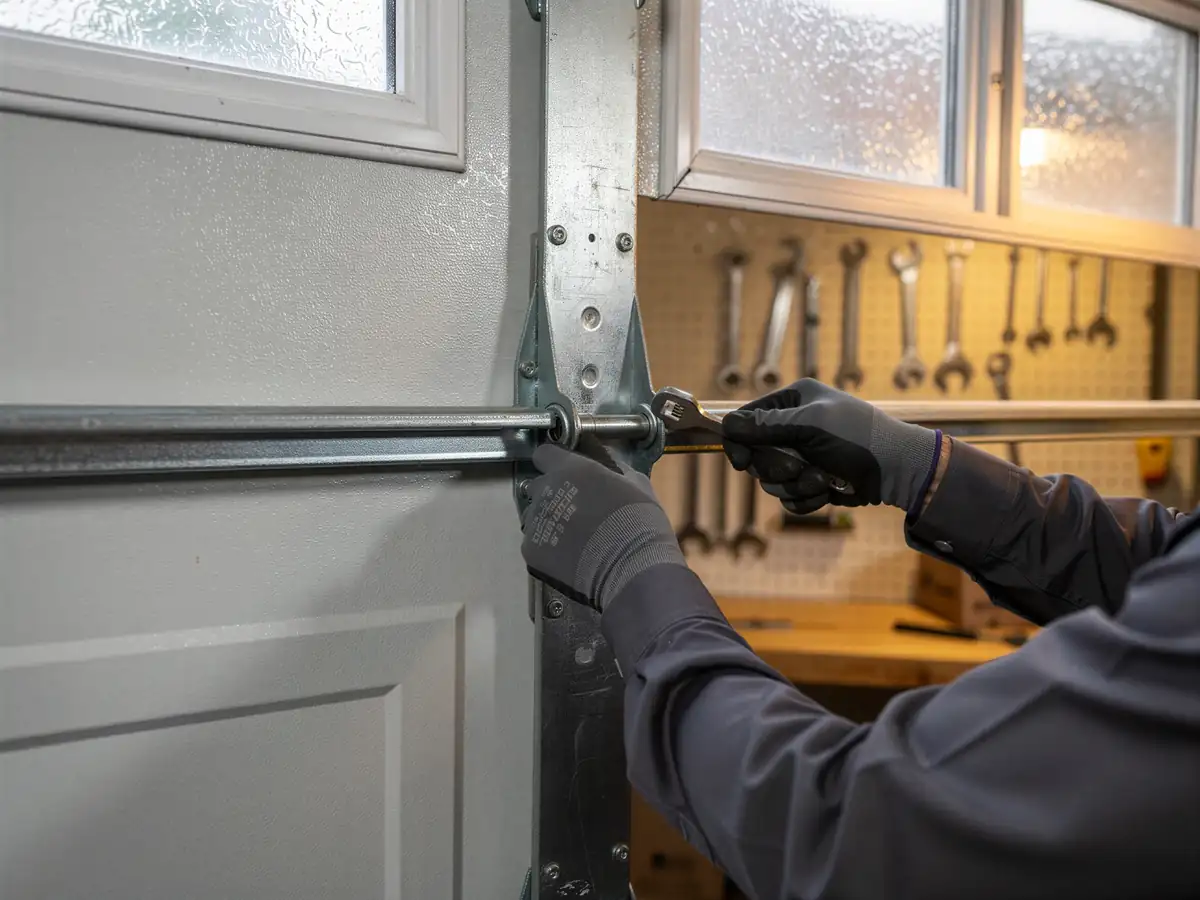
The winding bars, the tension gauge, the clamps - most people don't own them and renting them for a one-time job rarely saves money once you count the trip to get them. Extension springs on older single-car doors are a little more forgiving to look at, but even those can snap a cable under tension.
What you can safely do yourself
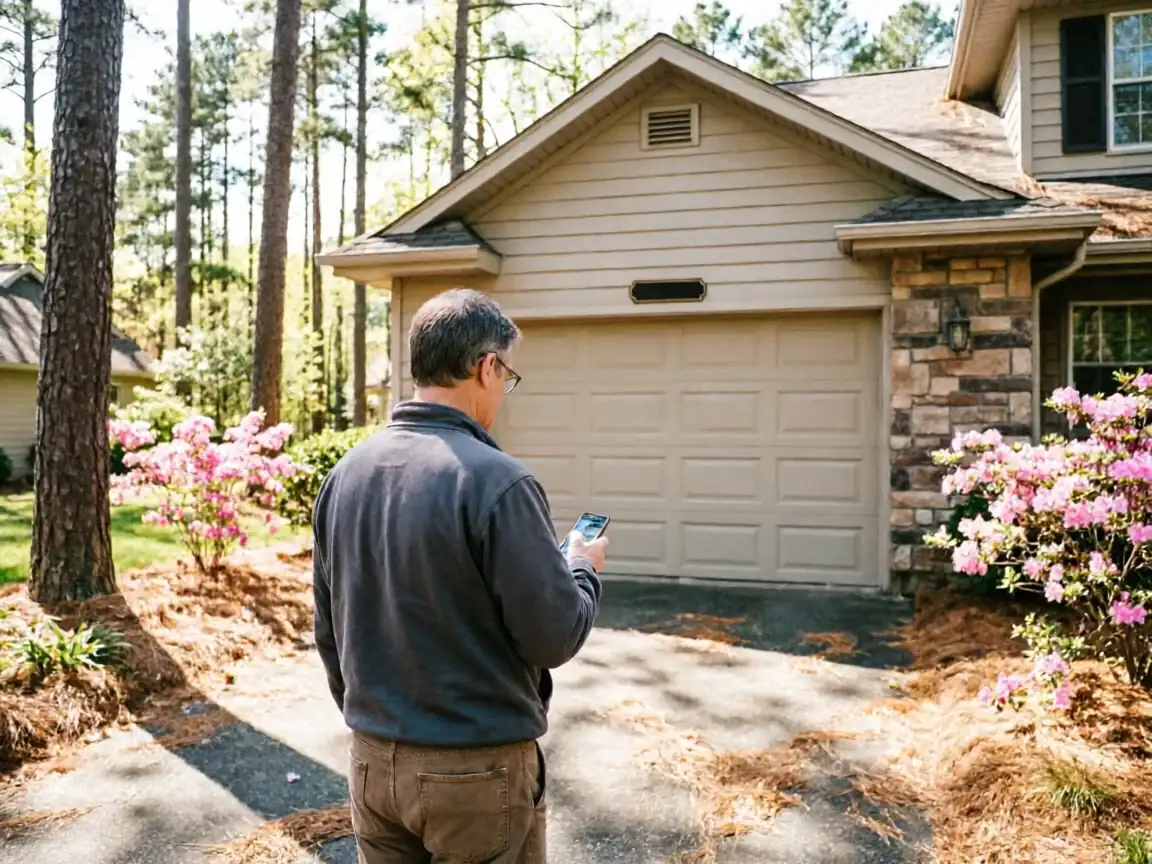
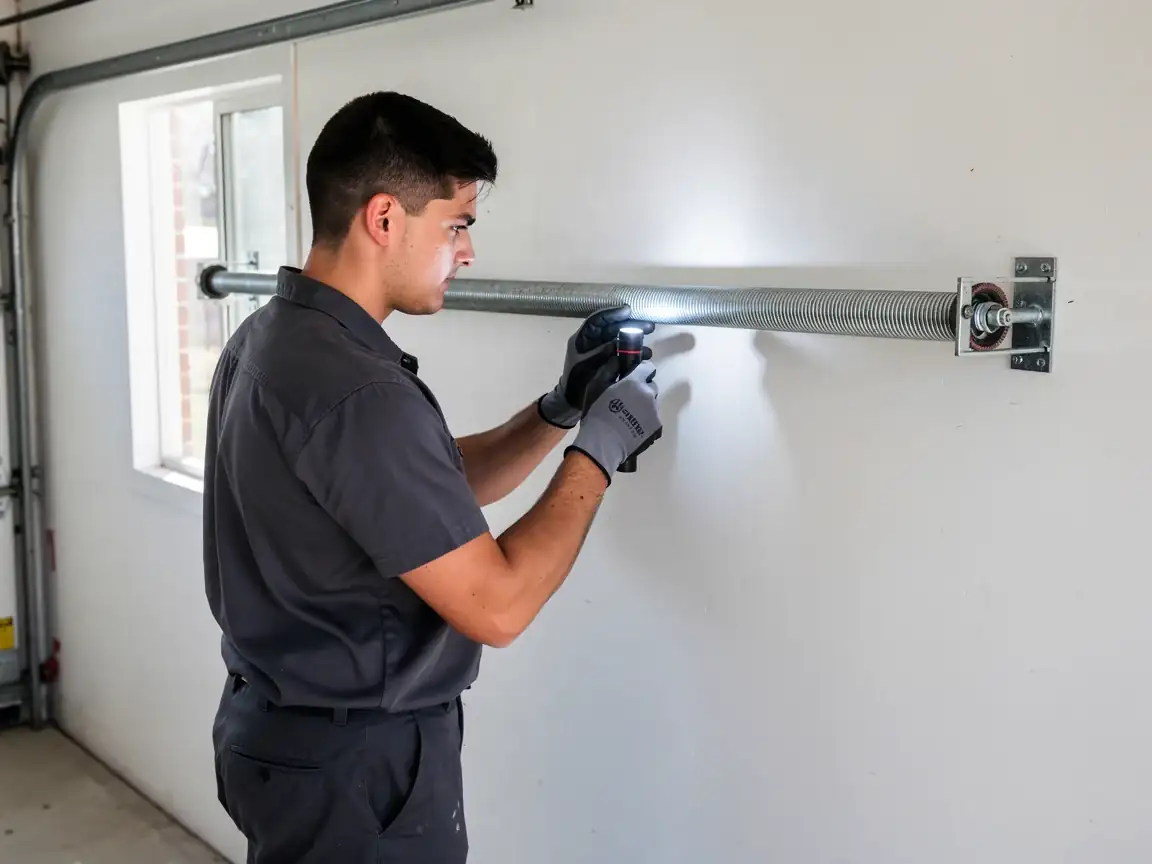
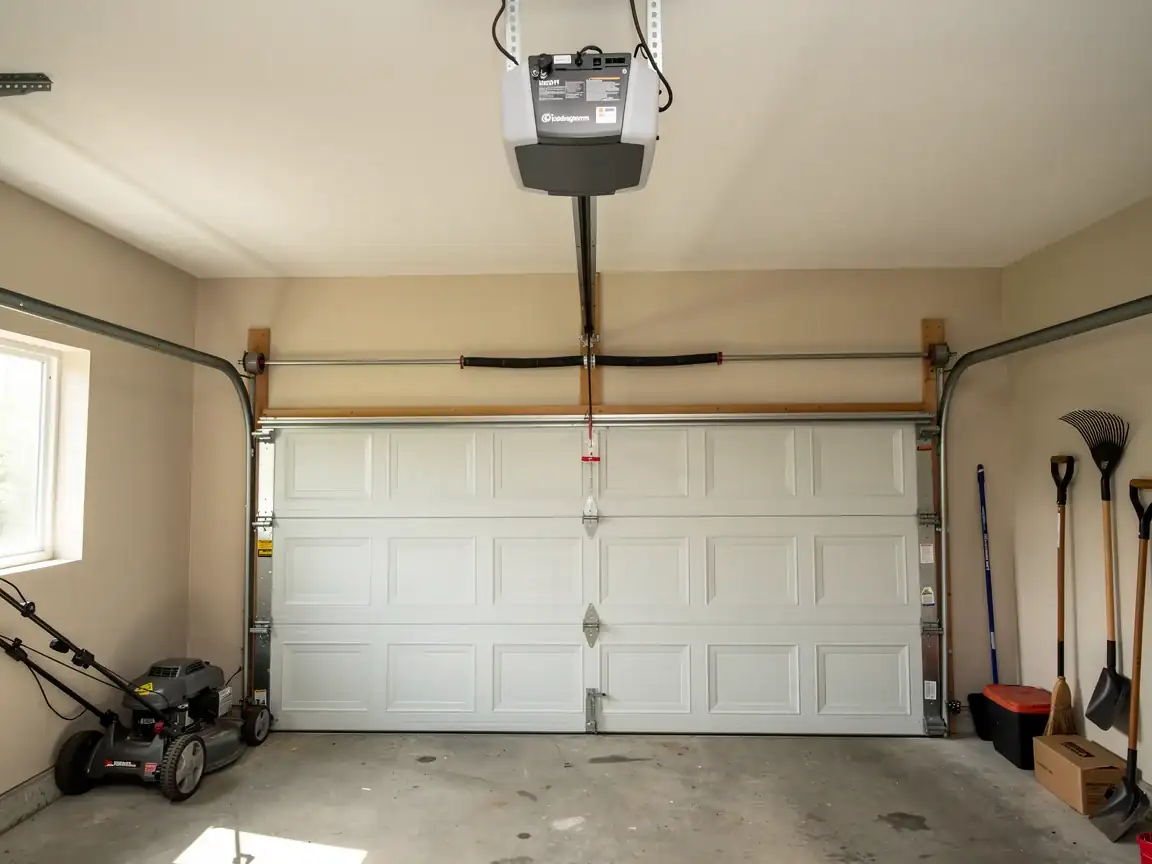
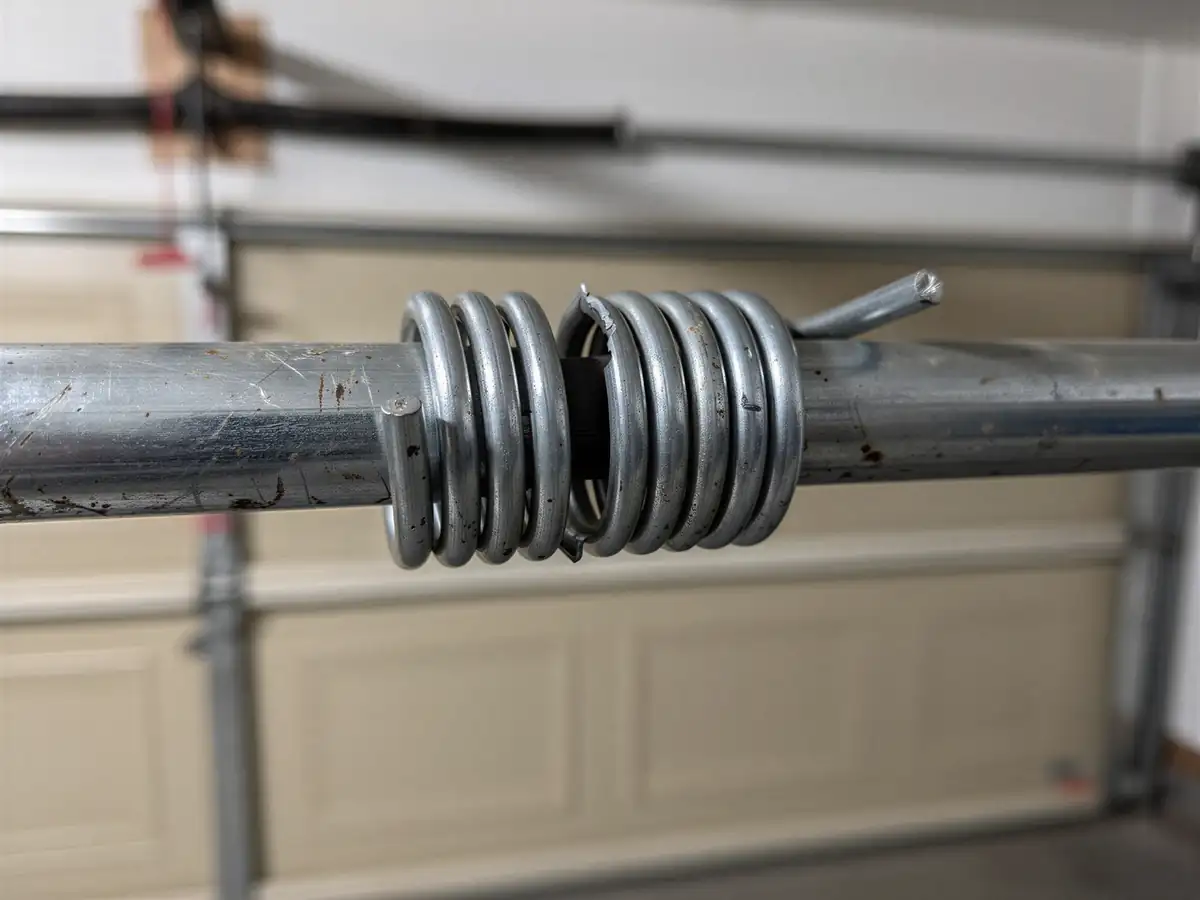
Check if the spring is actually broken (look for a visible gap in the coil above the door) versus the opener just failing, and check that the door isn't binding on a bent track, which sometimes gets blamed on the spring. That's the extent of what's worth doing before you call someone who does this daily.
One honest limit: if your door is original to a mid-80s build and the spring size is no longer a stock item
We may need a day or two to source the right one rather than swap it same-visit.
See our Suffolk spring repair page for how we handle the job mechanically
How Long It Takes
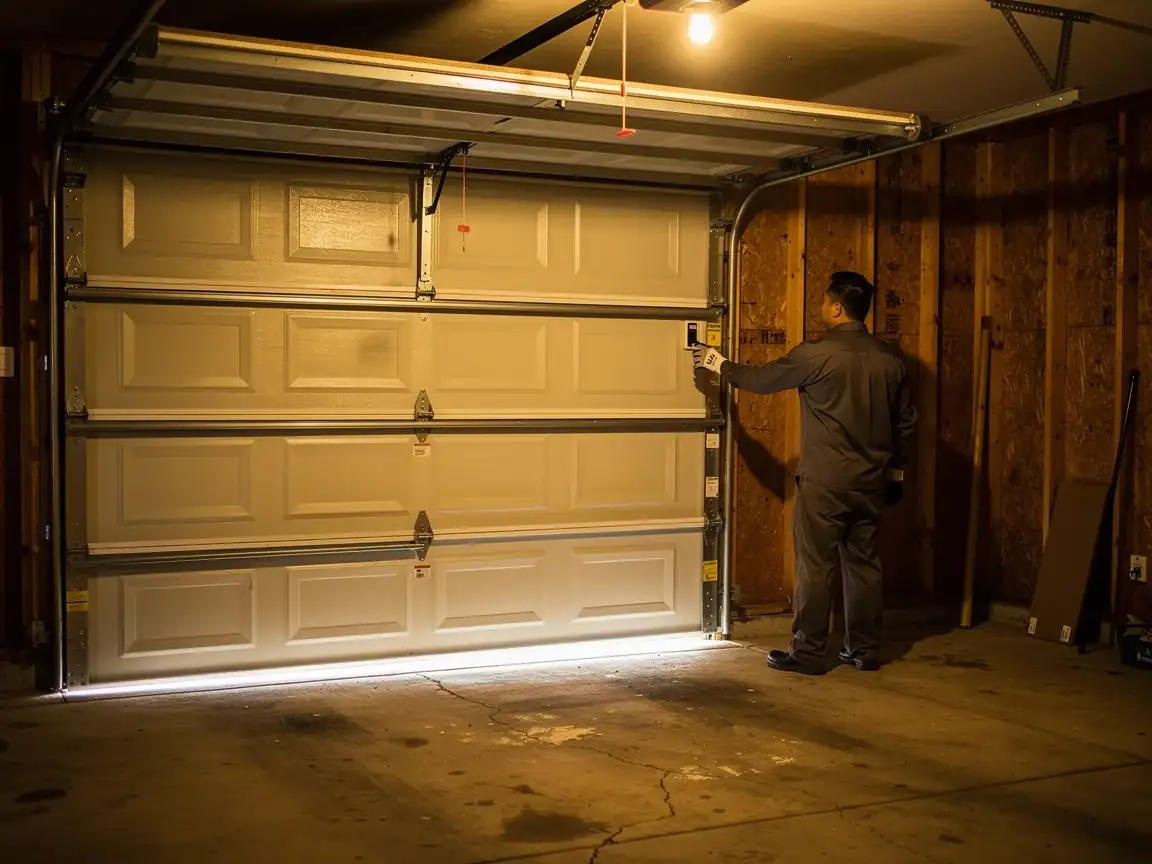
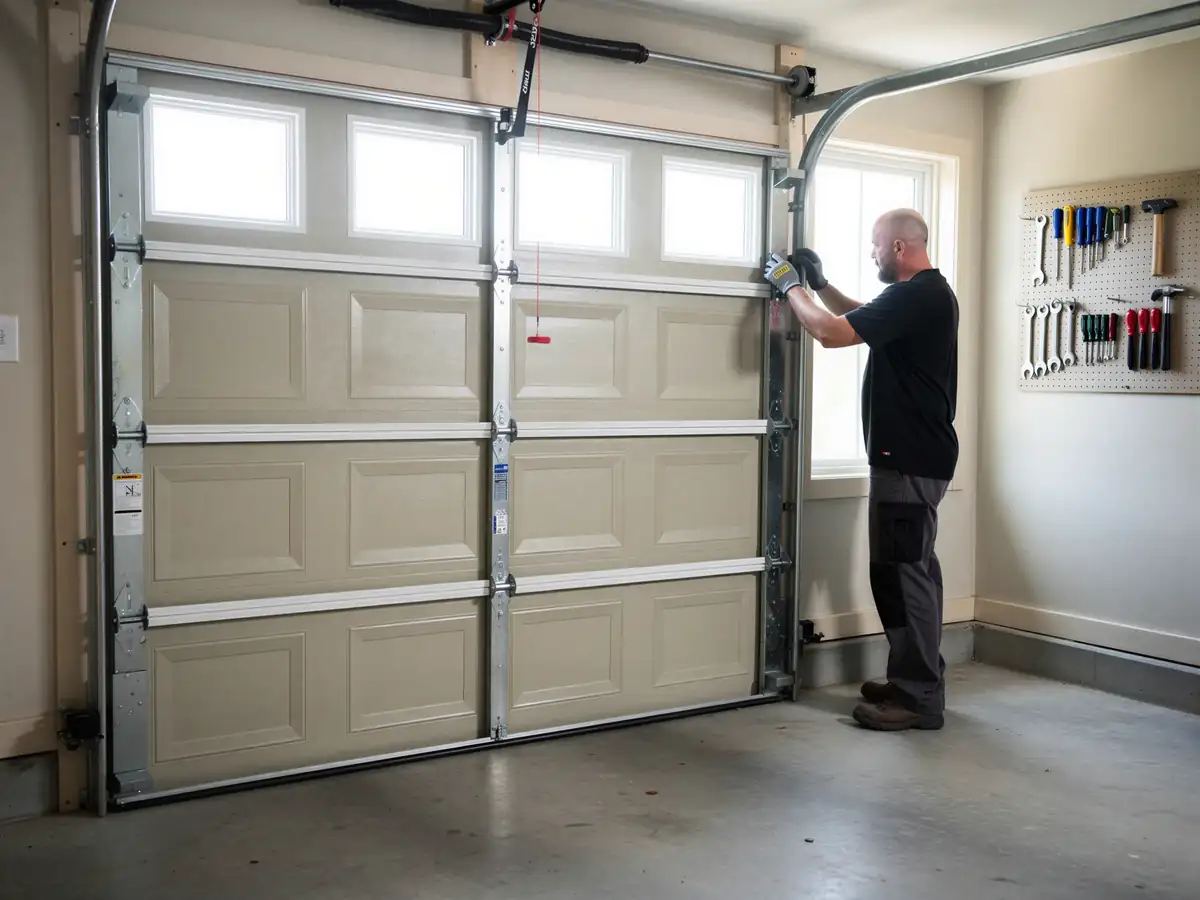
The repair itself - pulling the broken spring, winding a matched replacement, balancing the door - usually runs 45 minutes to a little over an hour once a tech is on site with the right spring in hand. That part doesn't change because you're in Smithfield.
What does change is the front end. Because Smithfield runs 19 miles from our Suffolk base, scheduling here tends to work better as a booked appointment window than a same-hour emergency call. We're not a branch office in town; we're a truck making the drive, and we tell people that up front rather than promise a response time we can't back from this distance.
If your spring size is common - which it usually is for houses built around 1992, the typical build year for this part of the service area - we carry stock and the visit is one trip. If it's an odd-length or odd-gauge spring, which turns up more often on older outliers mixed into a mostly 1990s neighborhood, we may need to order it and come back, which adds a day or two.
Winter mornings add a small variable too. In the cold-moderate climate band this region sits in, steel contracts and springs that are already fatigued tend to show their failure on the first cold snap rather than gradually.
Getting It Booked In
Because we're driving in from Suffolk, the most useful thing you can do when you call is tell us the door's approximate age, whether it's one spring or two (single vs. double-car), and whether the door is stuck down, stuck up, or just heavy to lift. That lets us bring the right spring stock on the first trip instead of a second one.
We book Smithfield jobs as scheduled visits rather than walk-up stops, given the 19-mile run each way. That's not a knock on the town - it's just the honest shape of covering a service area this size from one shop. If the spring breaks on a door you still use daily, we'll try to get you an appointment inside a day or two rather than let it sit.
You can see how Smithfield fits into our wider coverage, alongside Windsor, Franklin, on our service area page. If you want the fuller rundown of how we handle spring jobs generally, that detail lives on our Suffolk spring repair page - this page is specifically about what's different when the job is out here.
What Causes It Around Here
Most of the springs we replace in Smithfield are failing on doors from houses built right around 1992
Newer than a lot of the service area's 1966-1992 housing stock, which means standard torsion hardware rather than the older side-mount setups we see on earlier builds. That's good news for parts availability; it's bad news only in that a 30-year-old spring is simply at the end of its rated cycle count no matter how new the house looks.
The cold-moderate climate here plays a role too
Steel springs lose a bit of flex in cold weather, and a spring that's already near the end of its life often picks the first hard cold stretch to finally let go, rather than failing in the middle of summer.
Smithfield's household income, at $110,182, runs well above the $65,321 median across the wider service area
And that shows up less in why springs break and more in what people choose to do about it - more owners here opt for full two-spring replacement on both sides rather than patching one side and leaving the other to fail six months later.
With about 3,453 households in Smithfield
Smaller than the roughly 7,893 across the full area we cover, it's a tighter, more uniform pocket of similar-age doors than some of the other towns on our route.
- 3,453 households