Doing It Yourself
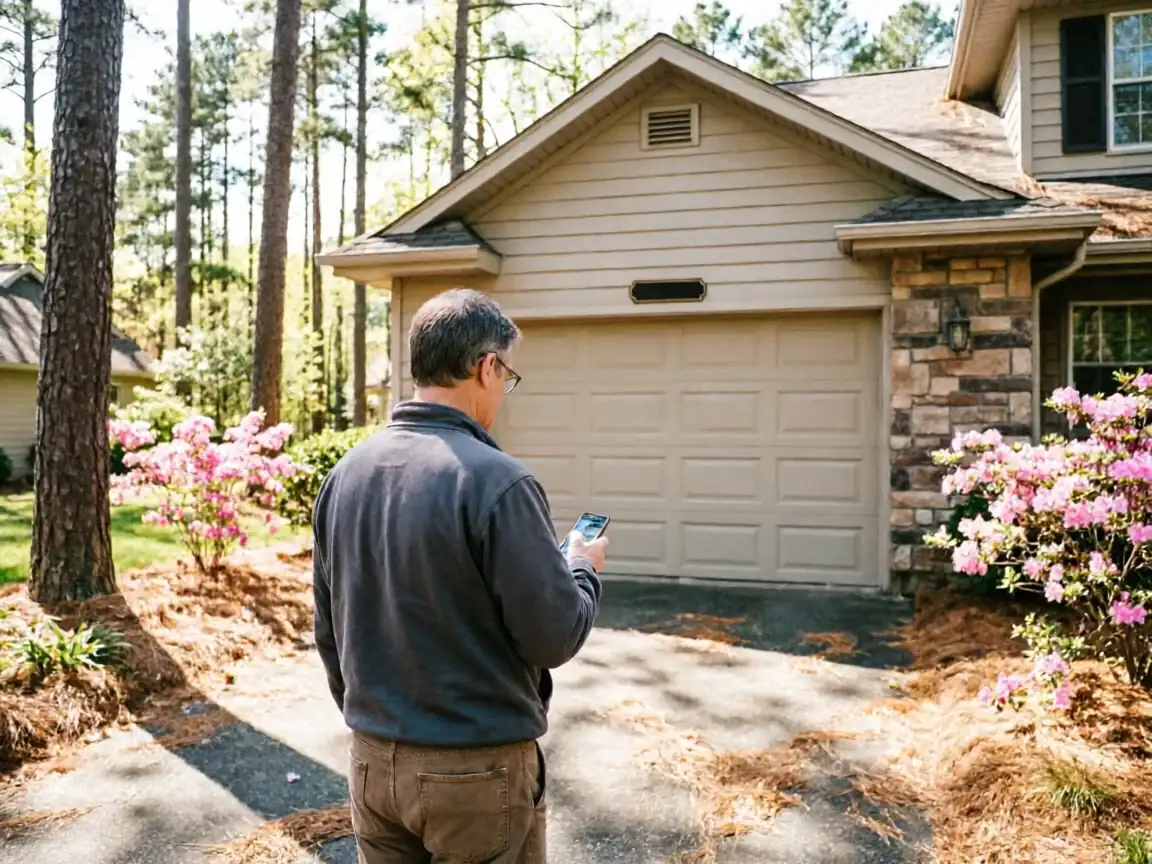
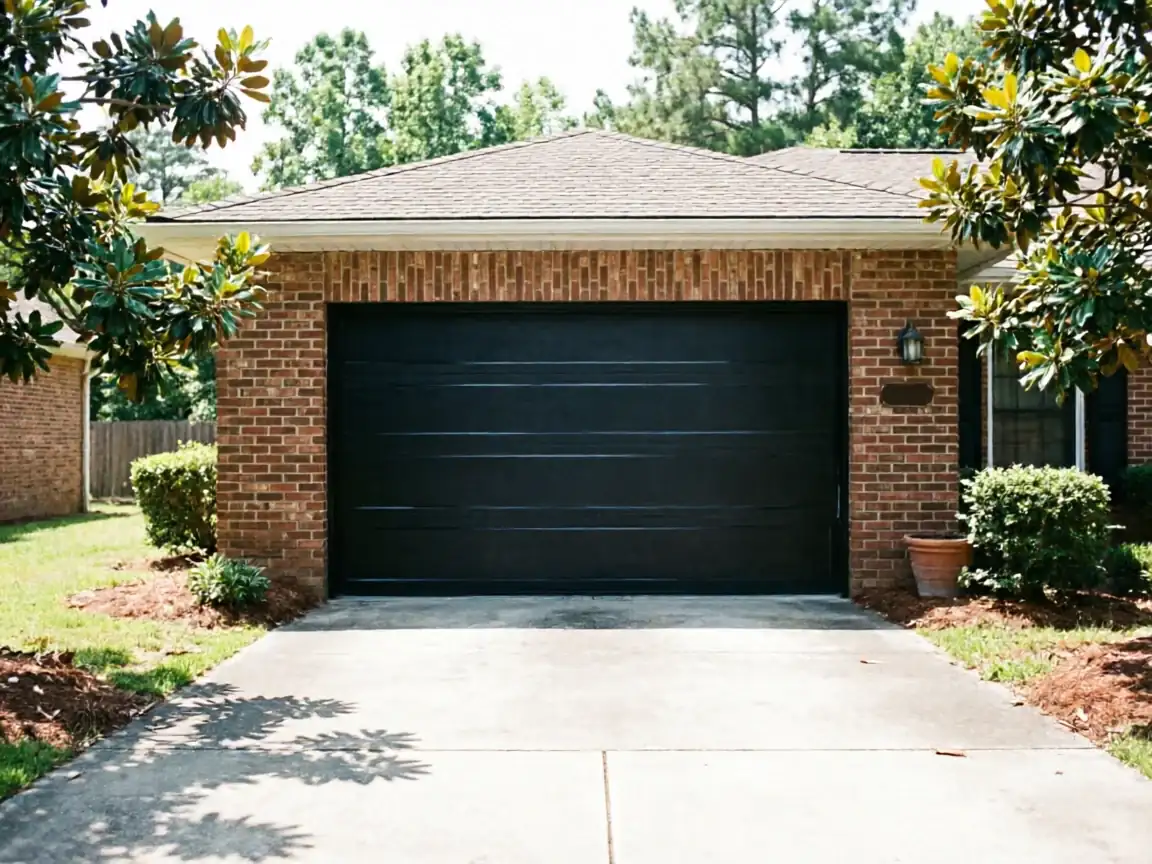
Most houses in Smithfield were built around 1992
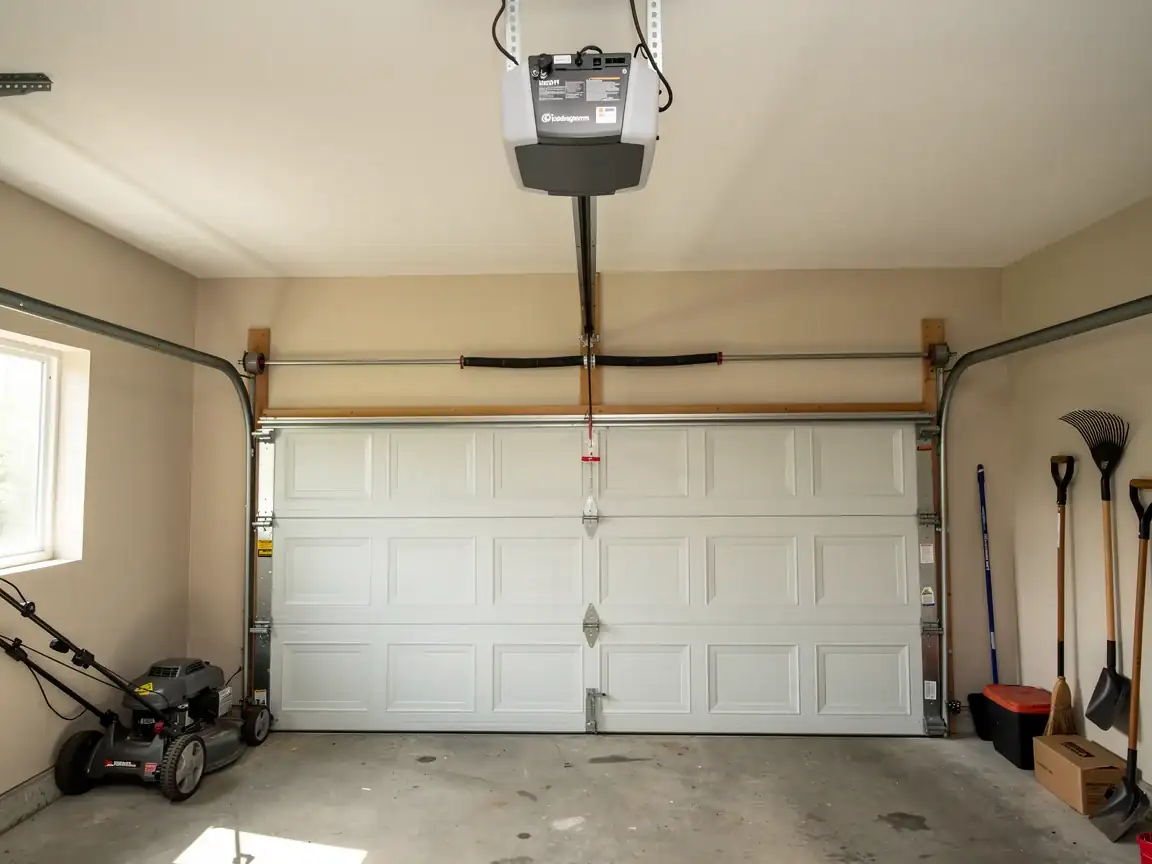
Which means a lot of garage doors out there are running hardware that's never been touched since the house was framed. A torsion spring is rated for somewhere around 10,000 cycles - roughly seven to ten years of normal use - so if nobody's swapped yours, you're likely on borrowed time, not a fresh install.
There's a short list of things worth doing yourself
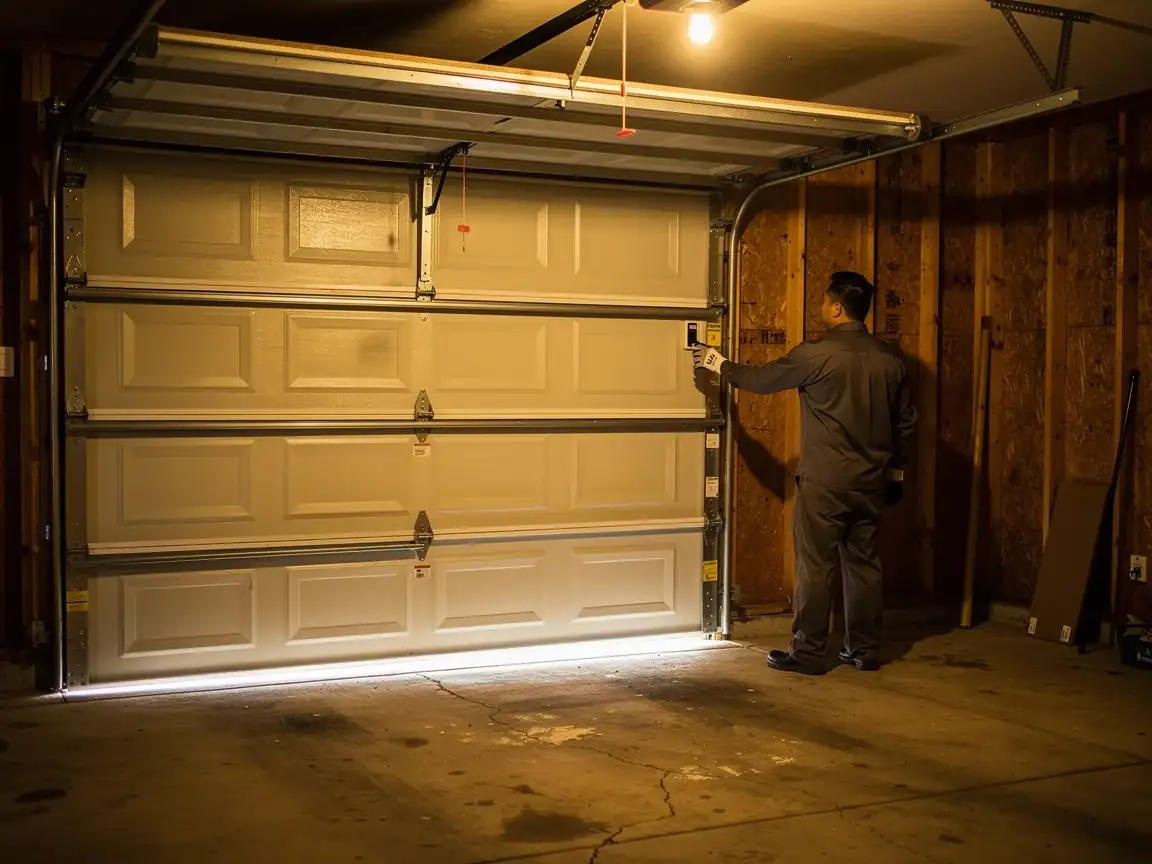
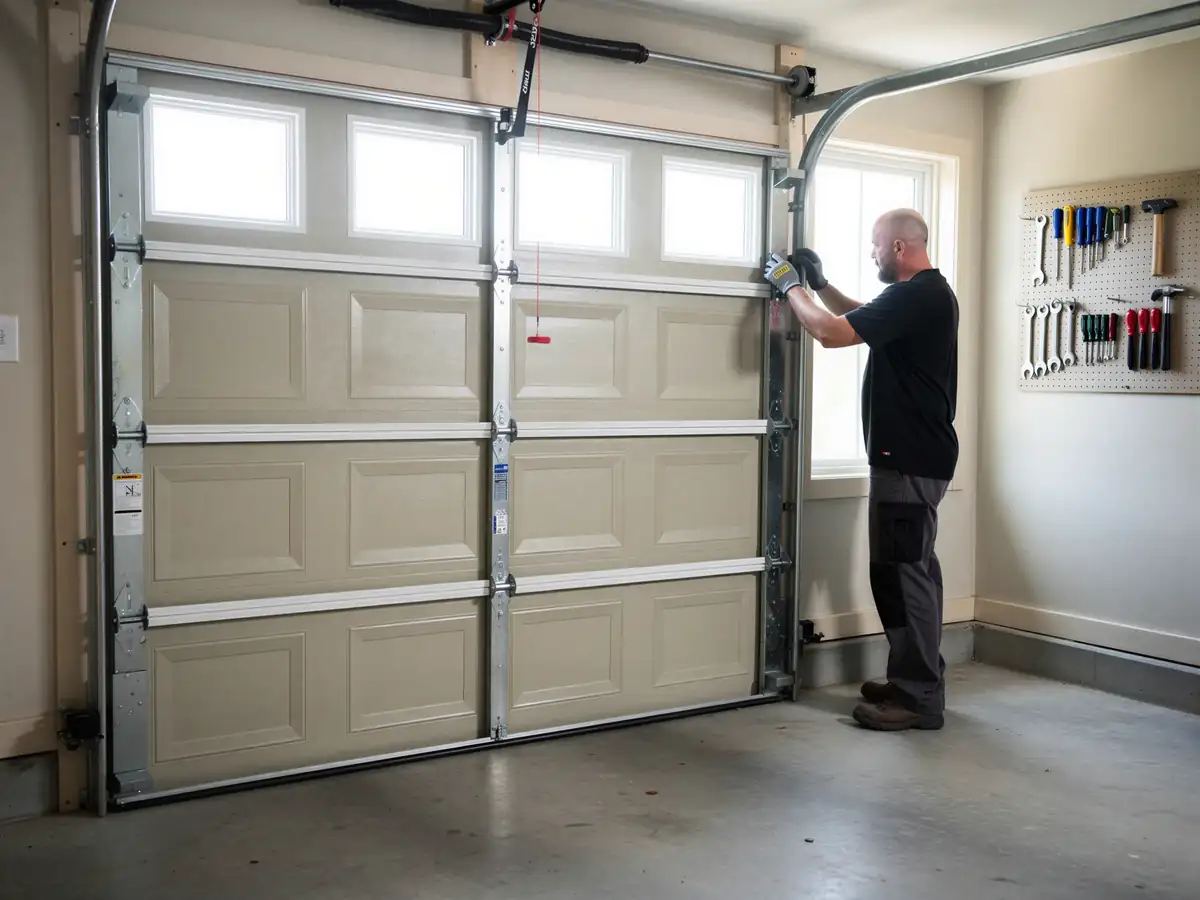
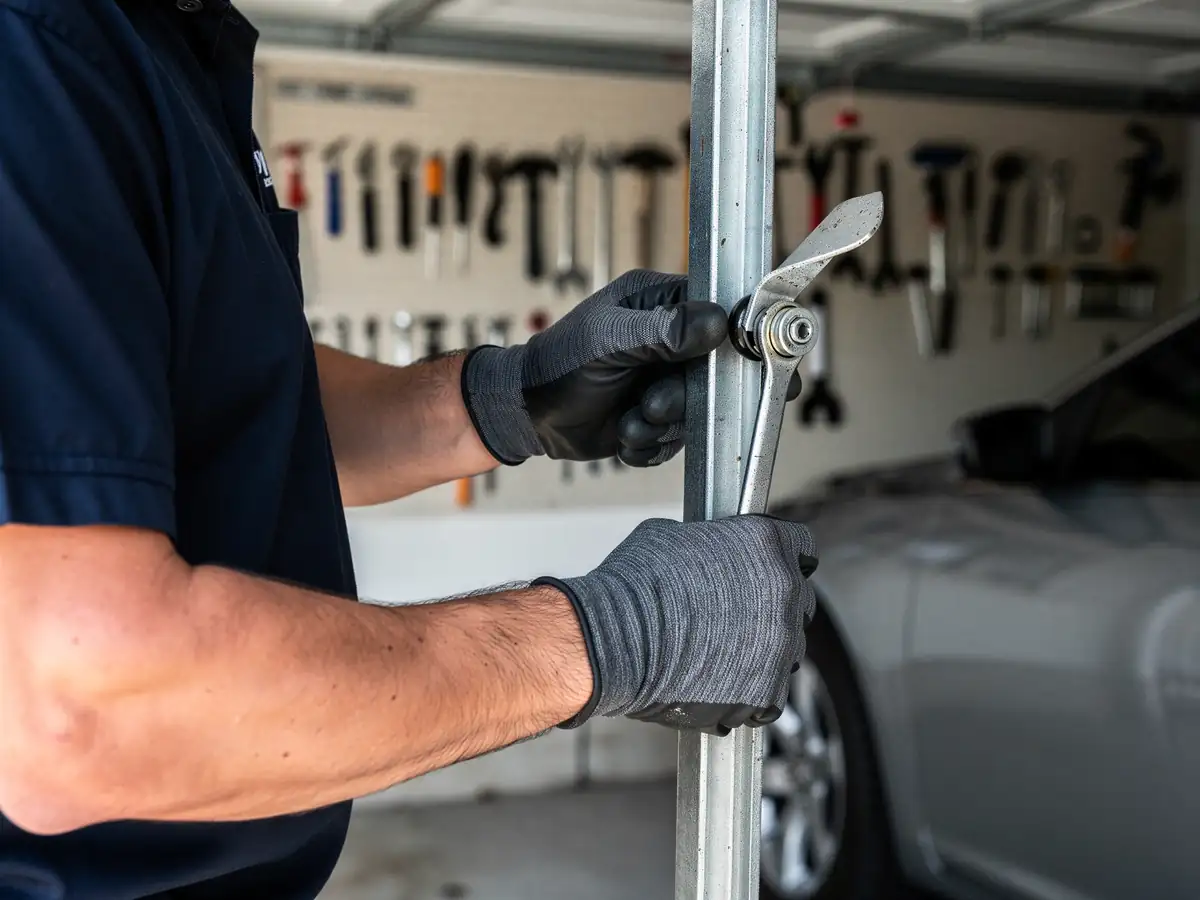
Wipe down and lightly lubricate the rollers and hinges twice a year, check that the photo-eye sensors near the floor are clean and aligned, and look at the bottom weatherseal for cracking.
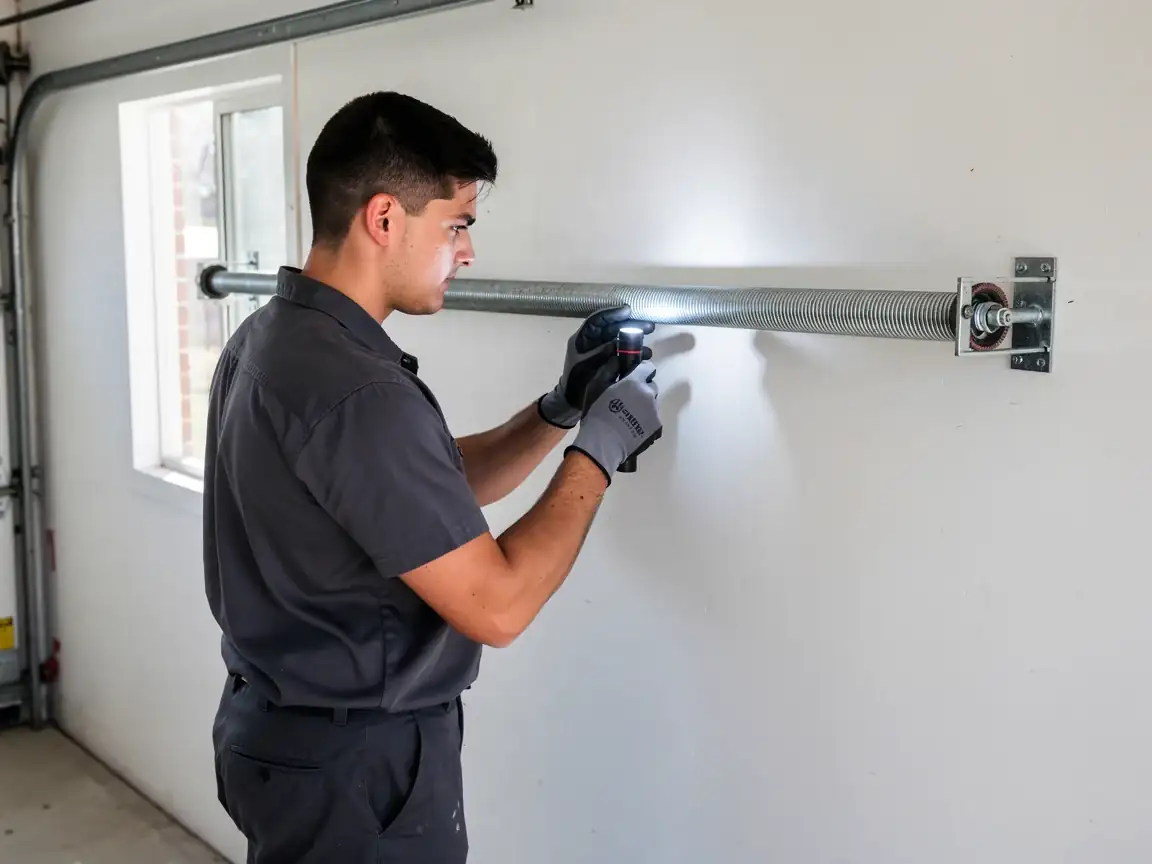
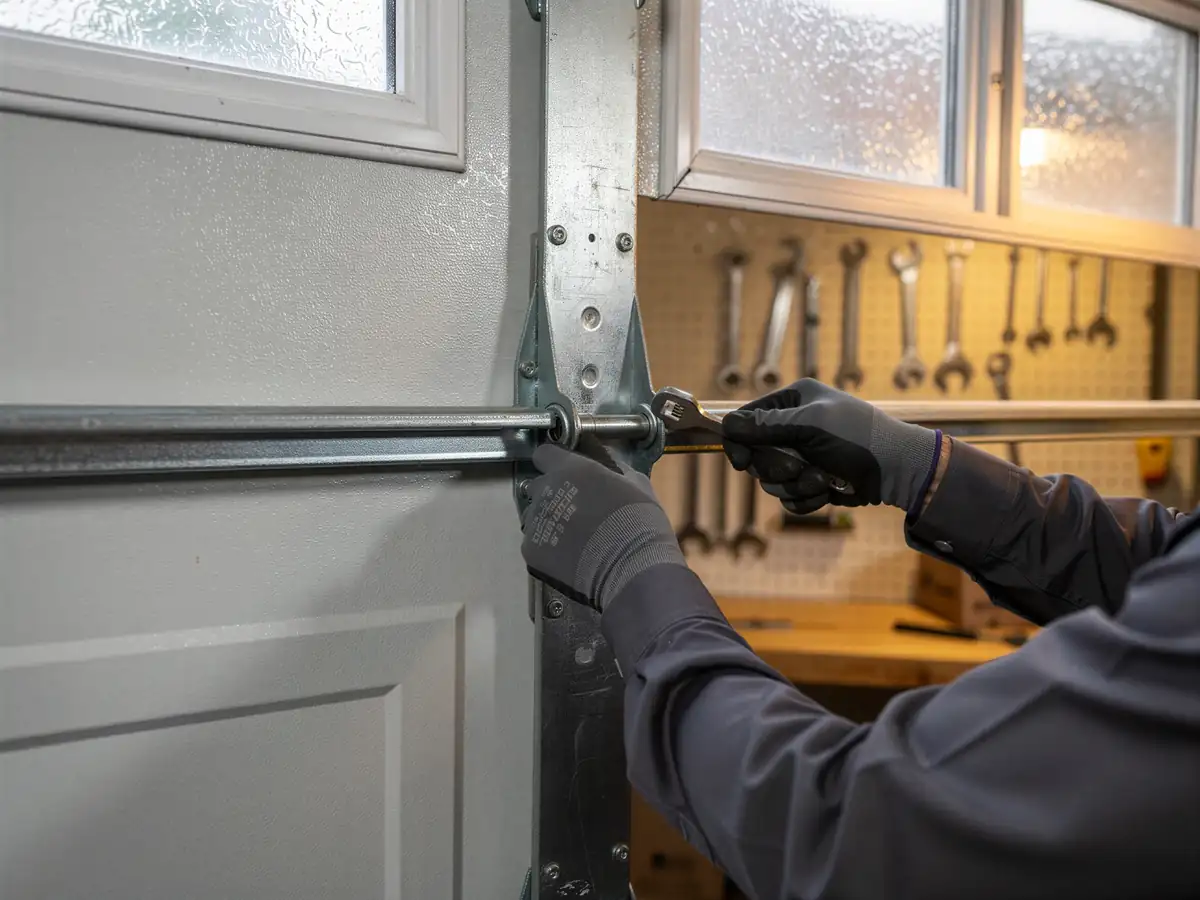
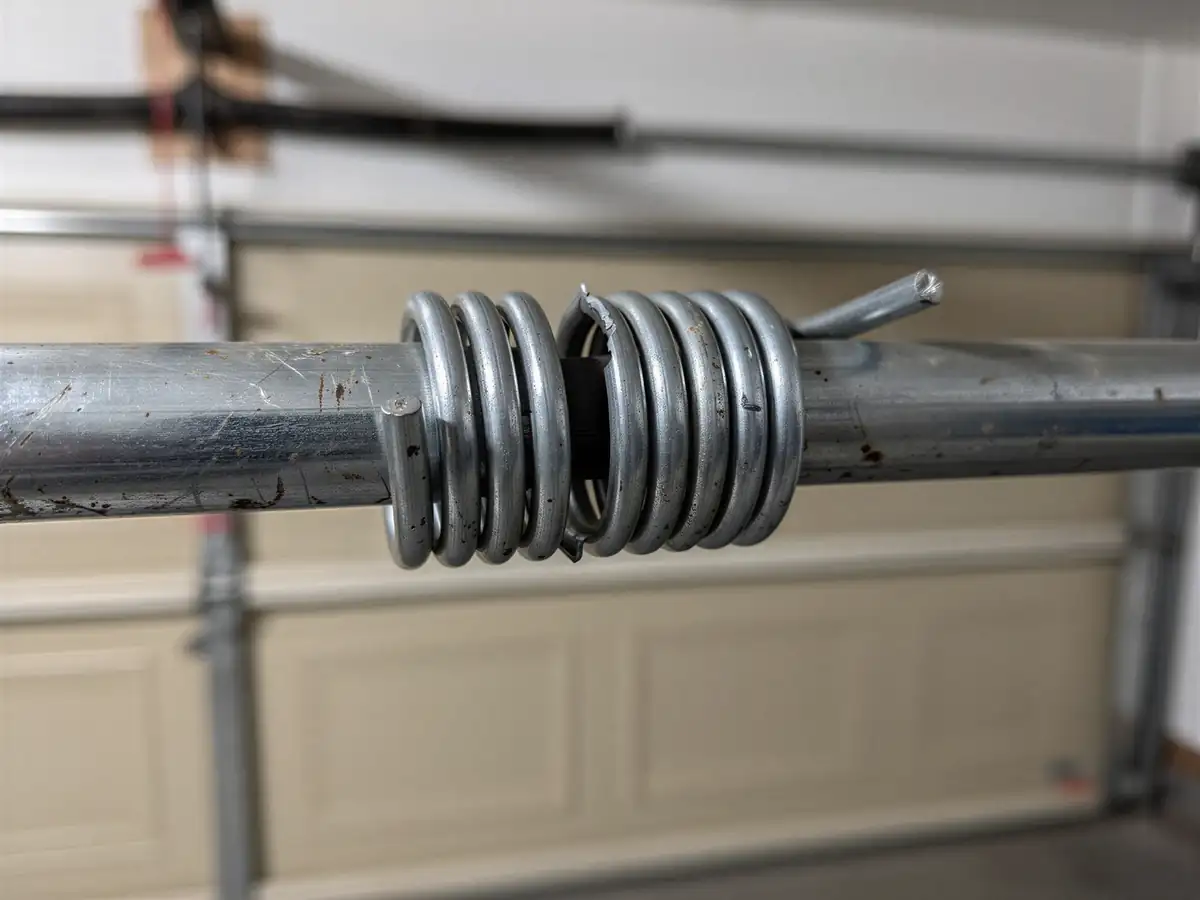
What you shouldn't touch is the torsion spring or the cables under tension
That's not a caution label talking, that's a 1992-era spring that's had thirty-plus years to fatigue, and it lets go all at once. Track alignment and opener gear-wear are also better left to someone who does it daily. If your opener still has the original chain drive and a light bulb for a safety reversal check, treat that as original equipment doing its last few laps, not a system to keep patching.
How Long It Takes
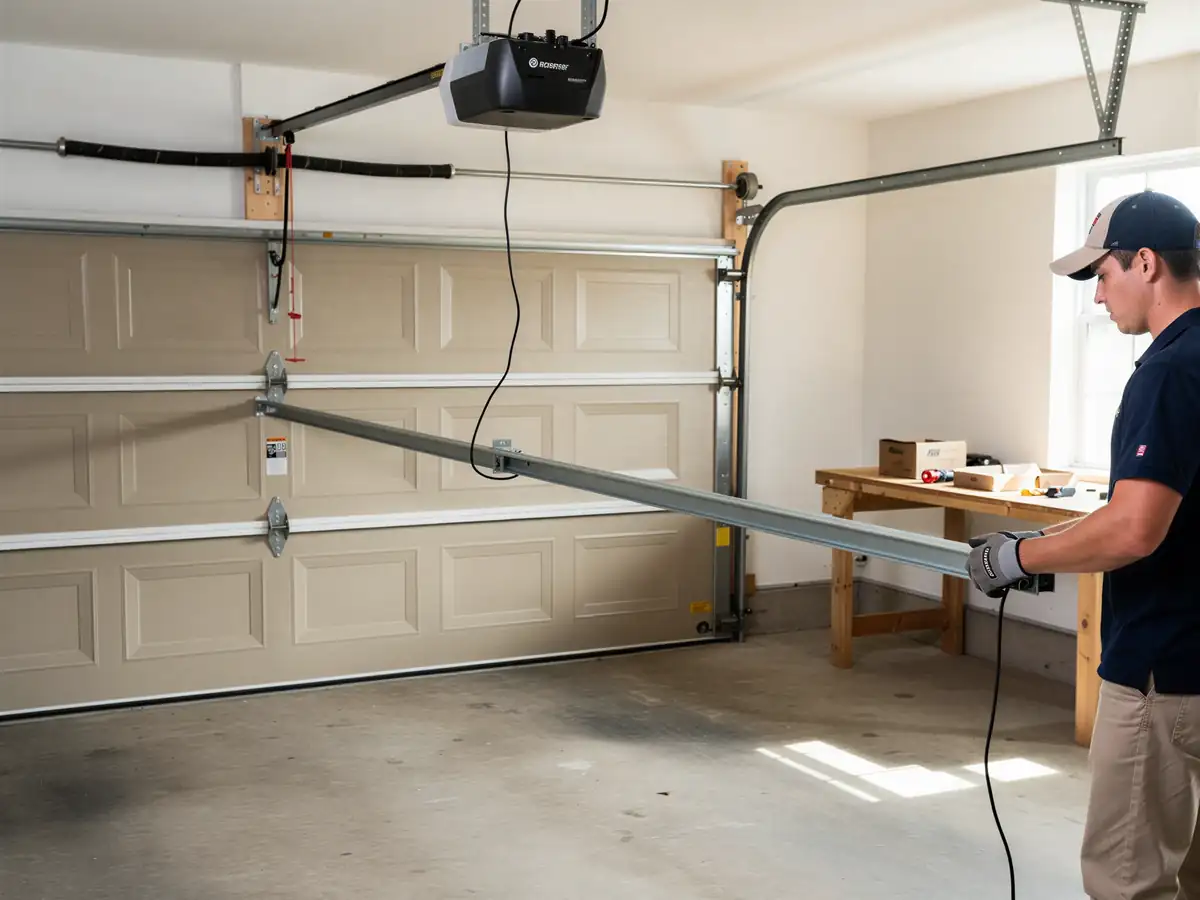
A straight maintenance visit - lubrication, hardware inspection, balance check, sensor alignment - runs short, usually under an hour once a tech is on site. Where it stretches is in what gets found on houses this age: if the spring, cables, or rollers are original to a 1992 build, a tune-up often turns into a same-visit spring or cable swap once the tech sees the wear.
We're driving the 19 miles out from Suffolk to get to Smithfield, so the visit itself needs to be worth the trip - that's part of why we check the whole door while we're there rather than just the one symptom you called about.
Parts availability is the one honest limit: original 1990s opener models and some hardware are long discontinued, and replacement parts aren't always on the truck. If your opener is that old, we may need to order a part or talk you through a newer opener instead of hunting down a match for something manufacturers stopped making years ago.
Getting It Booked In
Smithfield is far enough out from Suffolk - about 19 miles - that we're not swinging back through on a whim, so it helps to book maintenance rather than wait for something to fail on a Saturday. With roughly 3,453 households in the area and a good share of them sitting on doors from the early '90s build-out, spring and cable wear isn't an occasional problem here, it's close to the default.
We don't keep a branch or crew stationed in Smithfield - every job is a drive out from Suffolk - so there's no walk-in counter and no same-hour drop-in. A scheduled visit lets us bring the right spring size and cable gauge for a door that age instead of guessing.
If you've got a specific symptom - door off-balance, opener straining, a cable starting to fray - mention it when you book. It changes what we load on the truck before we make the drive.
What Causes It Around Here
The climate here sits in the cold-moderate band
Which isn't brutal, but it's enough freeze-thaw cycling over three decades to work on steel hardware - track brackets loosen, spring coils lose a little tension each winter, and hinges develop the kind of play that turns into noise before it turns into failure.
The bigger driver is simply the age of the stock
A door and opener installed when the house went up in 1992 has had thirty-plus years to run through its spring's rated cycle life two or three times over, assuming nobody replaced it along the way. Median household income here runs well above the wider service area, which tends to mean more owners catching this at the tune-up stage rather than waiting for the spring to snap - but original hardware doesn't care what the income figures say.
If a door's opener, track, and spring are all still factory-original from a 1992 build
That's not a maintenance visit anymore so much as a short countdown to a repair call.