Smithfield homes run newer than the rest of the service area and higher income too. See what that means for choosing a new garage door, from a crew that drives in from Suffolk.
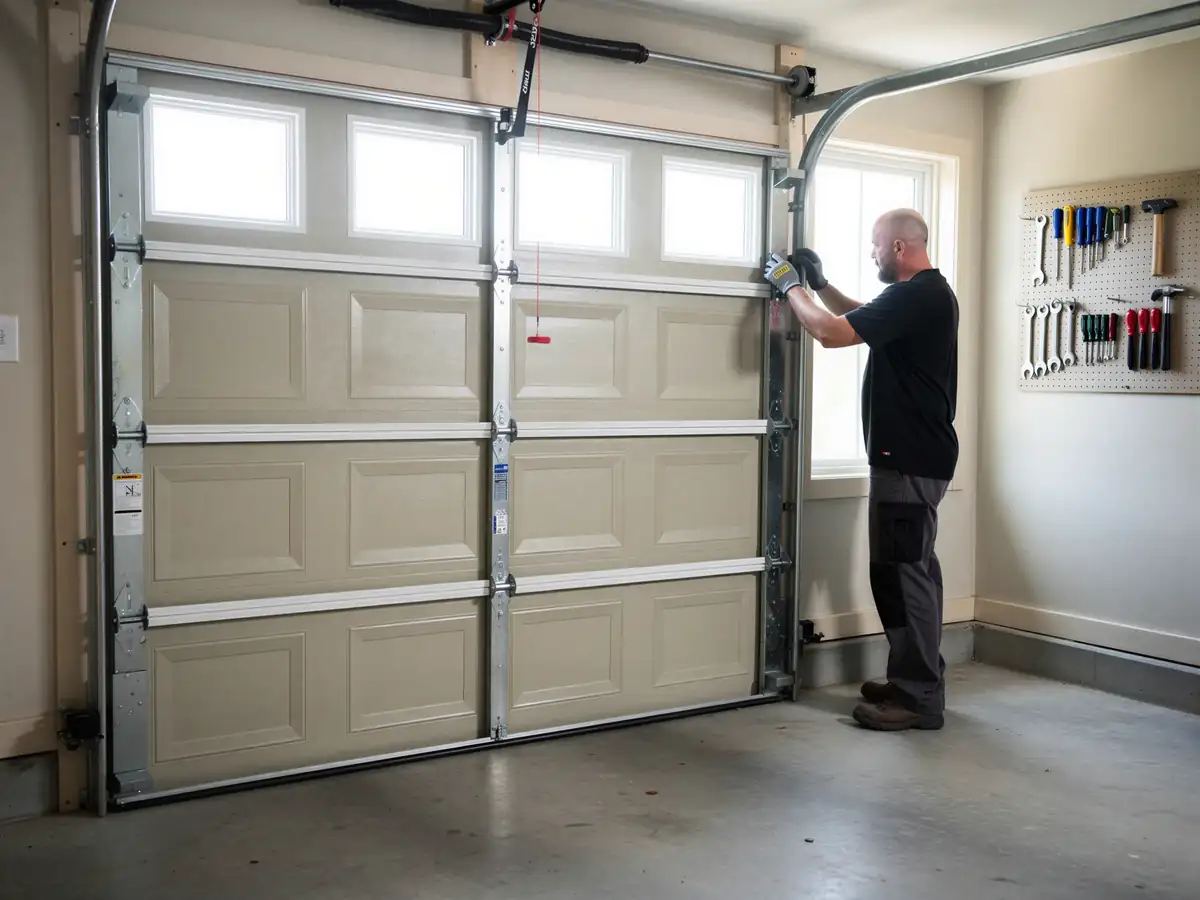
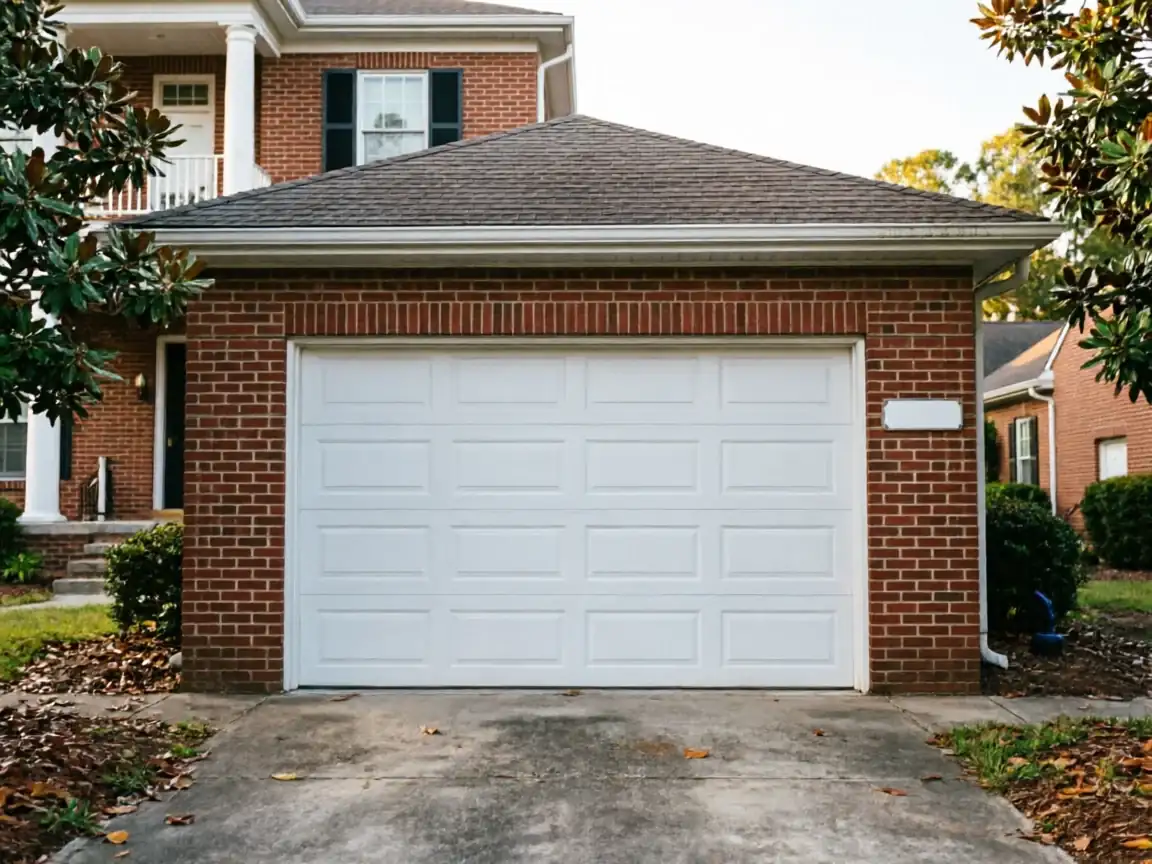
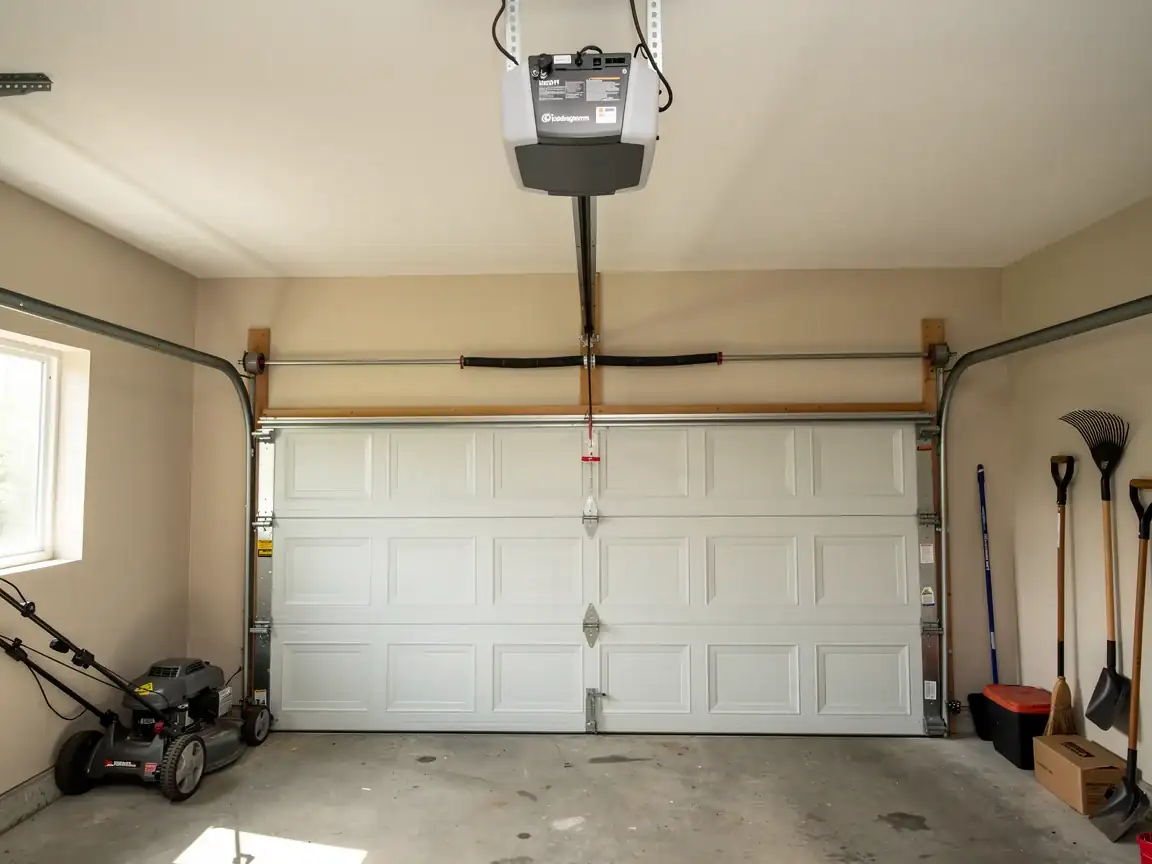
Smithfield sits at the newer end of the service area's build-out. The area overall was built mostly between 1966 and 1992, with a median year of 1991, but Smithfield's own median lands at 1992 - a year later, which puts more of its houses into double-car garages with wider openings and factory-installed openers rather than the older single-door, hand-cranked setups you still find closer to Suffolk itself. That matters if you're pulling the old door yourself: newer tracks are usually squared to code and don't need the shimming that 1970s framing often does, but the openers are heavier and the extension or torsion spring sizing has to match a bigger door, not a smaller one. Pulling a 16-foot double door spring under tension without the right bars is how people end up in the ER, not saving money. If you're set on doing the demo yourself, that part is fine - unbolt the old track, strip the weatherseal, haul the panels to the curb. Leave the spring and the header reinforcement to someone who's done it on a door this size before. With household income here running well above the area average, a lot of owners are also upgrading to insulated steel or composite doors rather than swapping in another bare steel panel, and that changes the header anchoring, which is not a DIY afternoon.
How Long It Takes
A straight swap - same size opening, new door, same opener reused - runs a half day once the old door is off the hardware. Add a new opener and you're looking at a full day, mostly because of the electrical run and the safety sensor alignment, not the door itself. Where Smithfield jobs run longer than some of the older housing in the service area is on header work: homes from the later part of the 1966-1992 build window sometimes have narrower rough openings than today's standard double-door sizing, so there's more trimming and reframing than on a house built to older, wider specs. None of that is a Smithfield-specific defect - it's just what you get building the same house plan across three decades of lumber sizing. Weather matters too. In a cold-moderate climate, cold mornings slow down the foam-and-seal work on insulated doors because the adhesive needs the surface above a certain temperature to set right, so a job scheduled early on a cold day sometimes runs an extra hour while things warm up.
Getting It Booked In
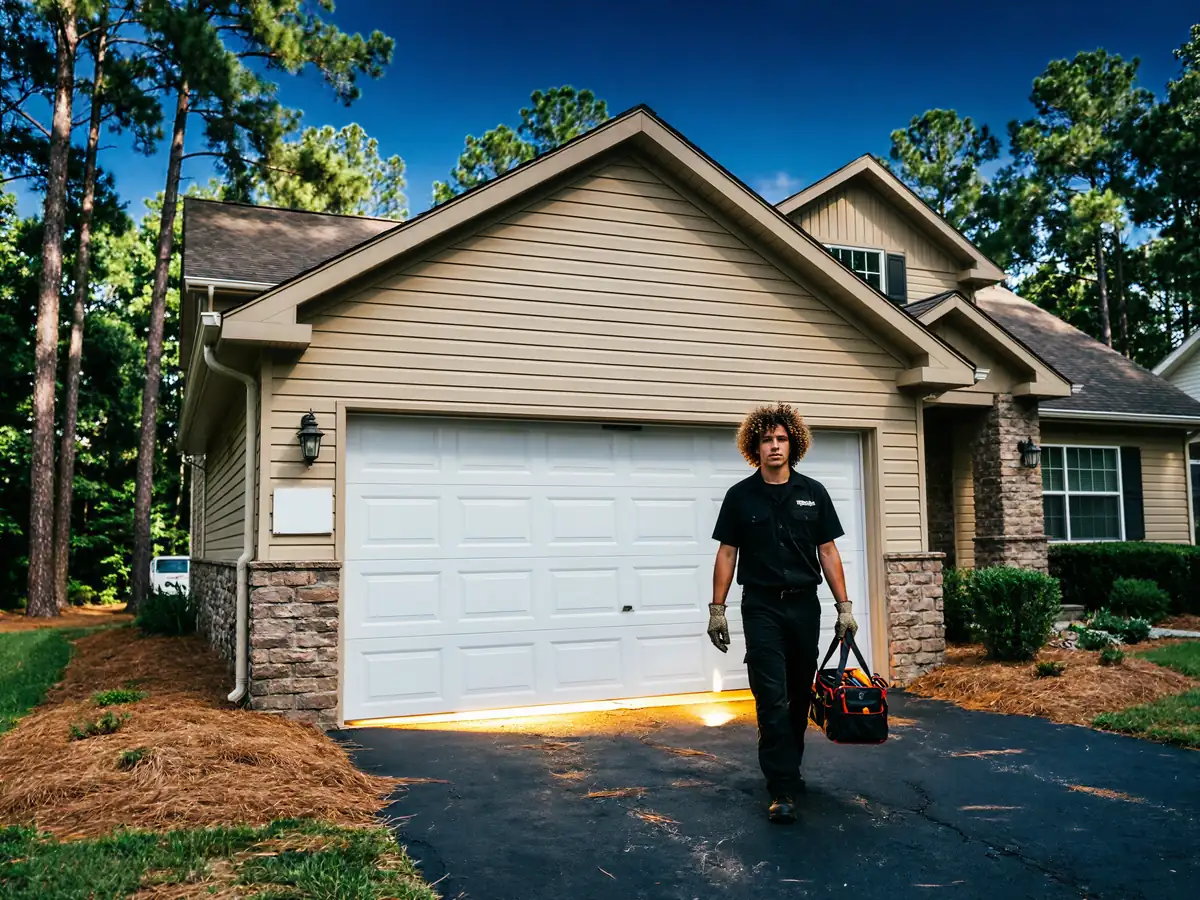
Suffolk Garage Door Pros covers Smithfield from Suffolk - there's no branch office here, the truck just makes the drive, about 19 miles each way. That distance isn't trivial on the schedule. A Smithfield install gets booked as a block, not squeezed between two closer jobs, so the measurement visit and the install day are usually set further out than they would be for an address five miles from the shop. Bring the garage door's rough opening width and height if you have it, and the age of your current opener if you're keeping it - that saves a second trip. Across the roughly 3,453 households in Smithfield, most garages were framed for openers now 20-plus years old, and matching a new door's gauge to an old opener's lift capacity is one of the more common reasons a first measurement visit turns into a second one.
What Causes It Around Here
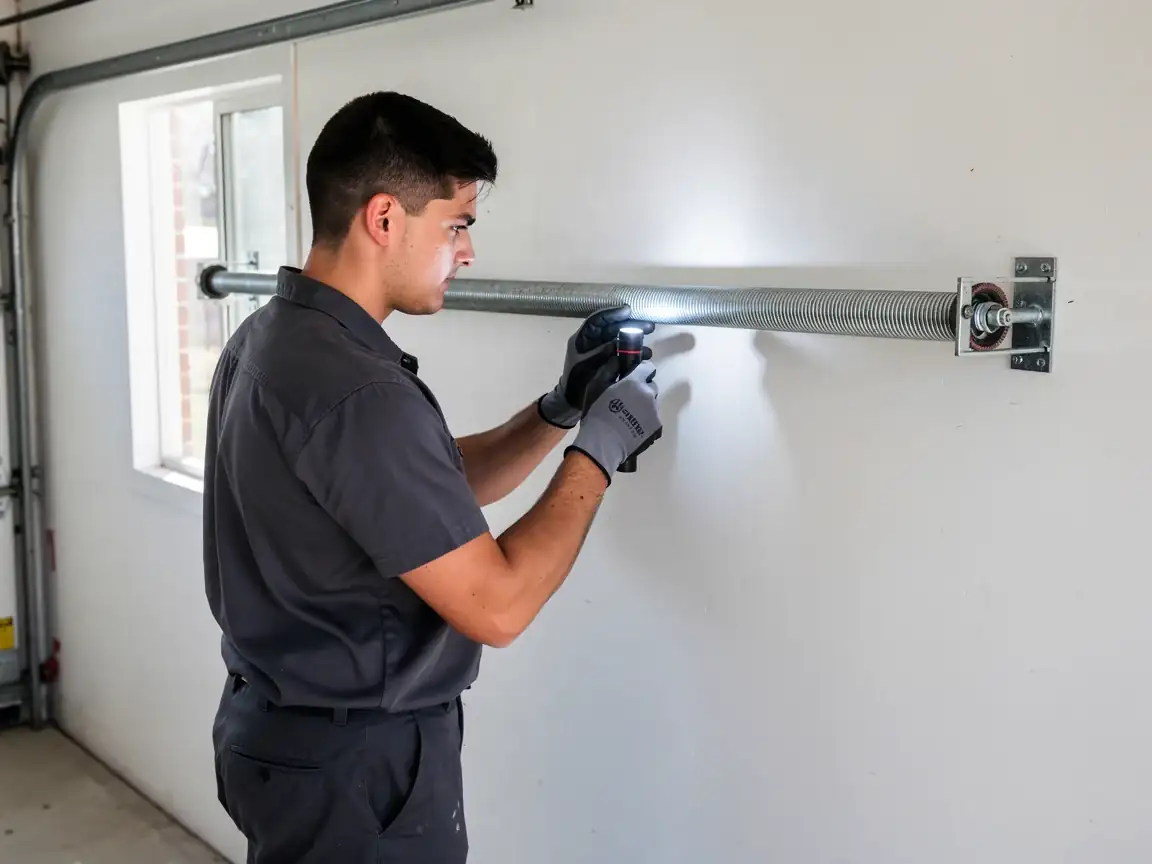
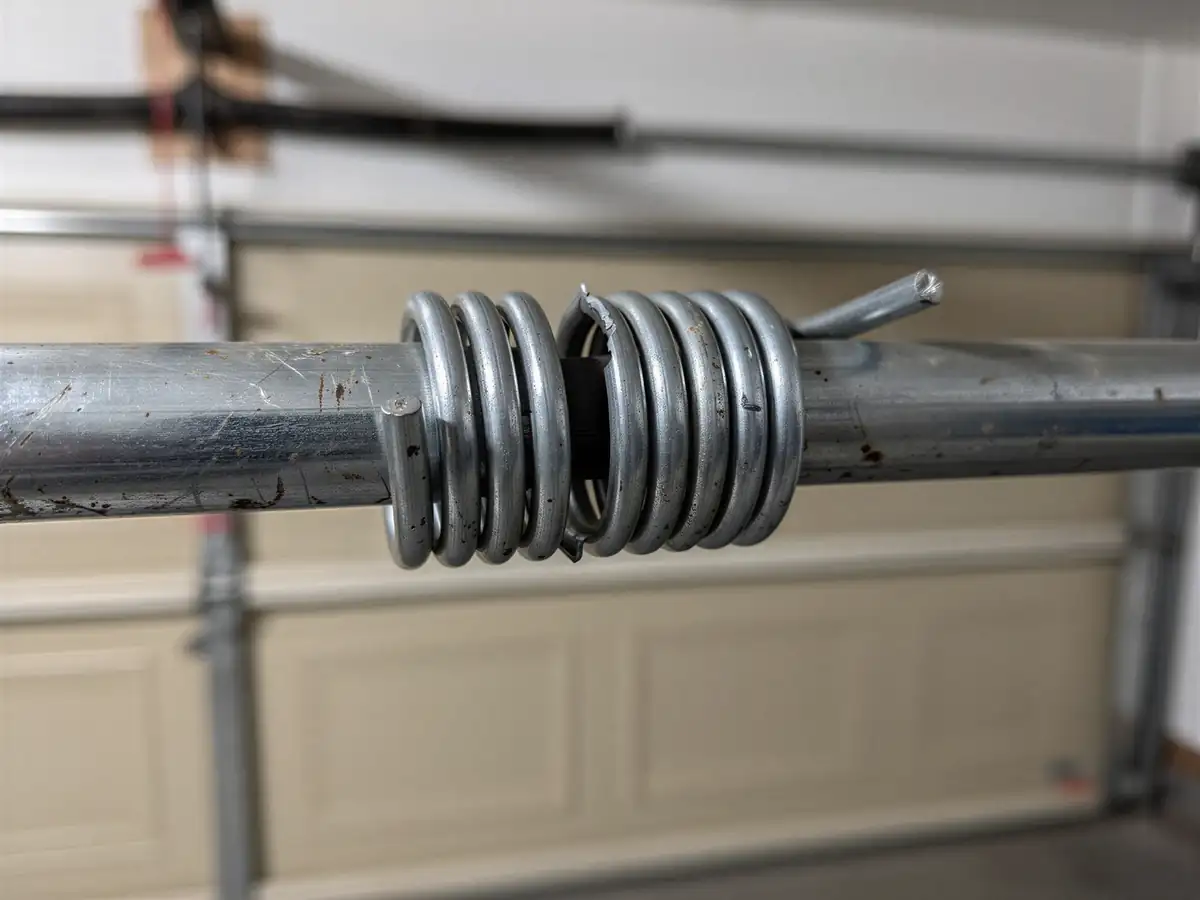
The most common failure on Smithfield doors isn't age-related rust the way it might be on an older 1960s panel - it's wear on the newer hardware itself. Nylon rollers on 1980s and 90s-built doors are past their service life by now regardless of how well the door looks, and torsion springs rated for the original door weight start failing right around the 25-to-30-year mark, which lines up with a lot of Smithfield garages right now. Cold-moderate winters add a second factor: temperature swings make steel contract and expand enough that a track bolted slightly out of true in 1991 starts binding thirty winters later. None of this is storm damage or flood damage - we don't have that on file for this area - it's straightforward mechanical fatigue on doors that were installed well but are simply at the end of their rated life.
How it works
From “it’s stuck” to “it’s fixed”
01
Tell us what’s wrong
Describe the symptom - won’t open, loud bang, opener runs but the door won’t move.
02
On-site diagnosis
A technician tests the door under power and by hand and finds what actually failed.
03
Clear, up-front plan
You get the fix that’s needed and what drives the cost - before any work starts.
04
Repaired & tested
The repair is done, the door is set true and tested, and the work area left clean.
Not sure which repair your door needs in Suffolk, VA? Describe what it’s doing - every job starts with a diagnosis.
Does Suffolk Garage Door Pros have a location in Smithfield?
No. The company is based in Suffolk and drives out to Smithfield, about 19 miles each way. There's no local branch or depot here, so installs are scheduled as a dedicated visit rather than squeezed between closer jobs.
Are Smithfield garages newer than the rest of the service area?
Slightly. The wider service area's housing stock runs 1966 to 1992 with a median year of 1991. Smithfield's own median build year is 1992, putting it at the newer end of that range, which generally means wider double-door openings and factory openers rather than older single-door setups.
Will my old opener work with a new door?
Sometimes, but it depends on the opener's age and lift rating versus the new door's weight. A lot of Smithfield openers are original to houses built in the 1980s and 90s, which means they're often near or past the point where matching them to a new door is worth it.
Why does the quote sometimes take a second visit?
Usually it's the rough opening. Homes built across different stretches of the 1966-1992 window weren't framed to one standard width, so measuring the existing opening against a new door's required clearance sometimes turns up a mismatch that needs a second look before ordering.
Ready to get your garage door sorted?
Tell us what it’s doing and where you are in Suffolk - we’ll take it from there.