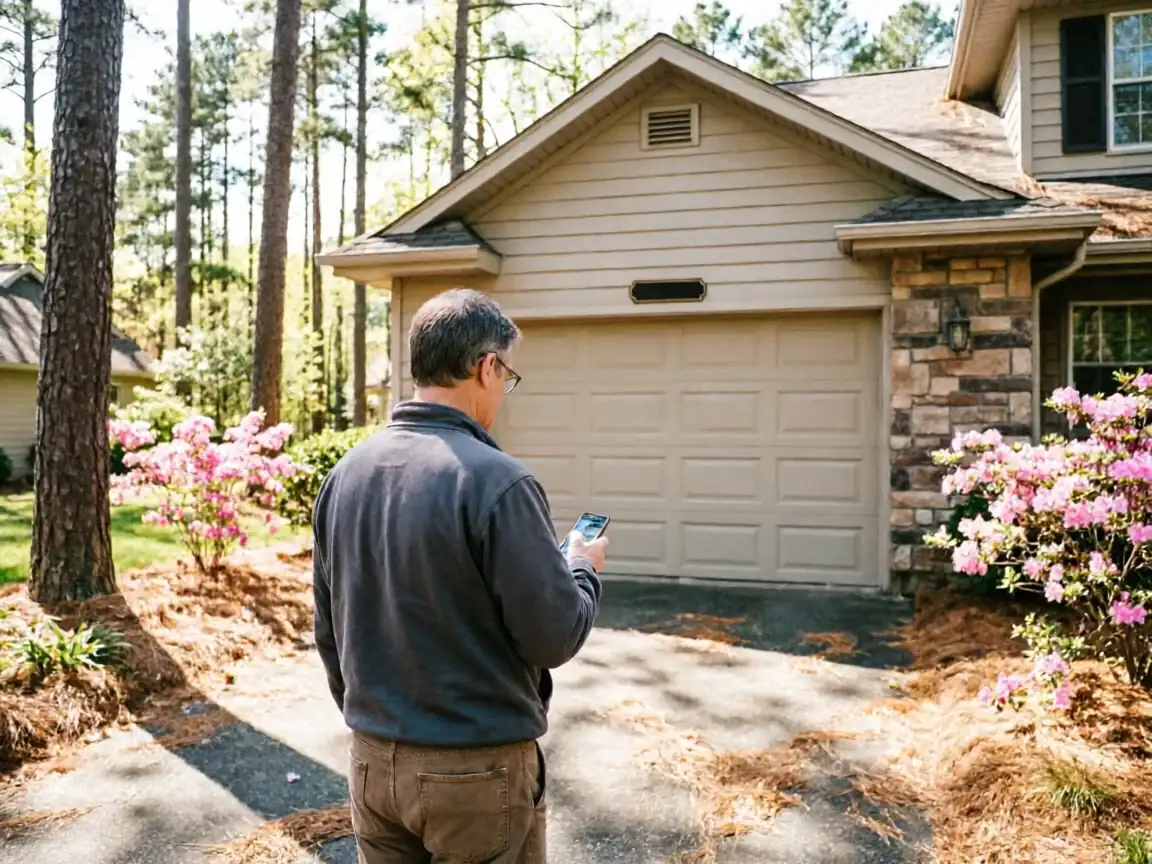
Doing It Yourself
Smithfield's median household income sits at $110,182
Well above the $65,321 median across the wider Suffolk service area. That number matters more than it sounds like it should, because it changes where the repair-or-replace line falls. A household at the area-wide median will often stretch a broken spring or a worn opener for another few years rather than replace the whole door. A household at Smithfield's income level is more likely to look at a 30-year-old door, do the math on a new one with better insulation and a quieter opener, and just replace it instead of patching the third thing this decade.
That doesn't mean every call here ends in a new door
A cable off its drum, a bent track, a sensor knocked out of alignment - these are still repairs, not replacements, no matter what the house is worth. What changes is the threshold: homeowners here tend to ask for the honest comparison sooner, and they're usually in a position to act on it. We'll always tell you the repair cost next to the replacement cost before you decide anything. If the repair buys you two years and the replacement buys you fifteen, we'll say so.
How Long It Takes
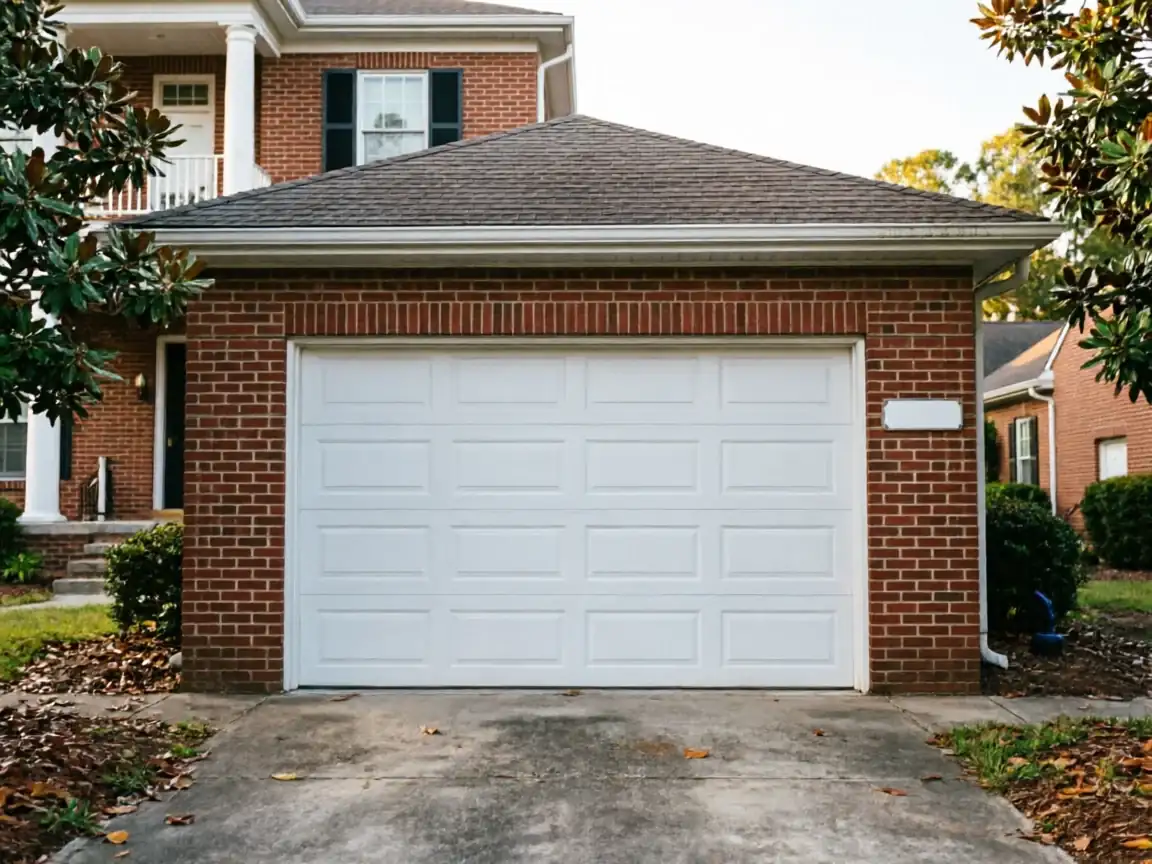
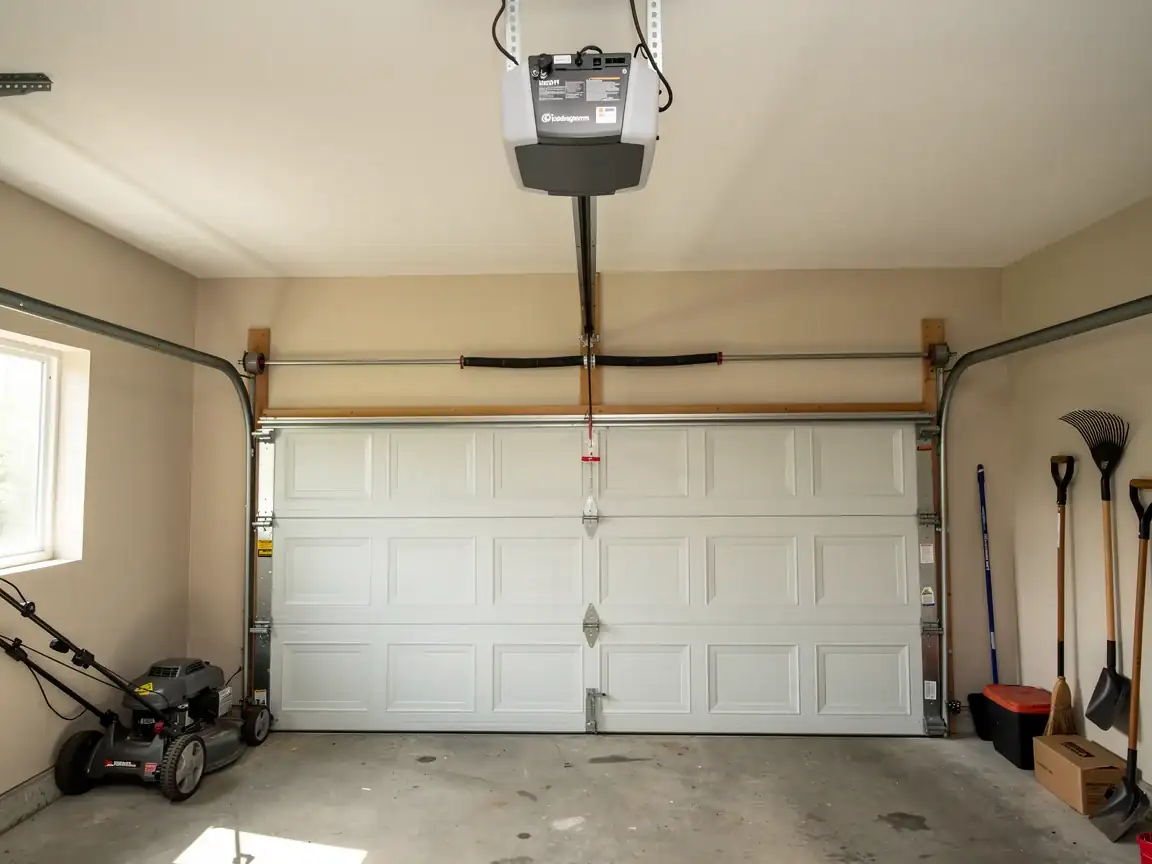
Most houses in Smithfield were built around 1992, which lines up closely with the 1966-1992 range across the broader service area and its median build year of 1991. That means the garage door hardware here is mostly late-model for its era: steel sectional doors on torsion springs, openers from the early chain-drive generation if they haven't been swapped out already. This isn't 1970s single-panel stock with obsolete tracks - parts for doors this age are generally still available, which keeps most jobs to a single visit.
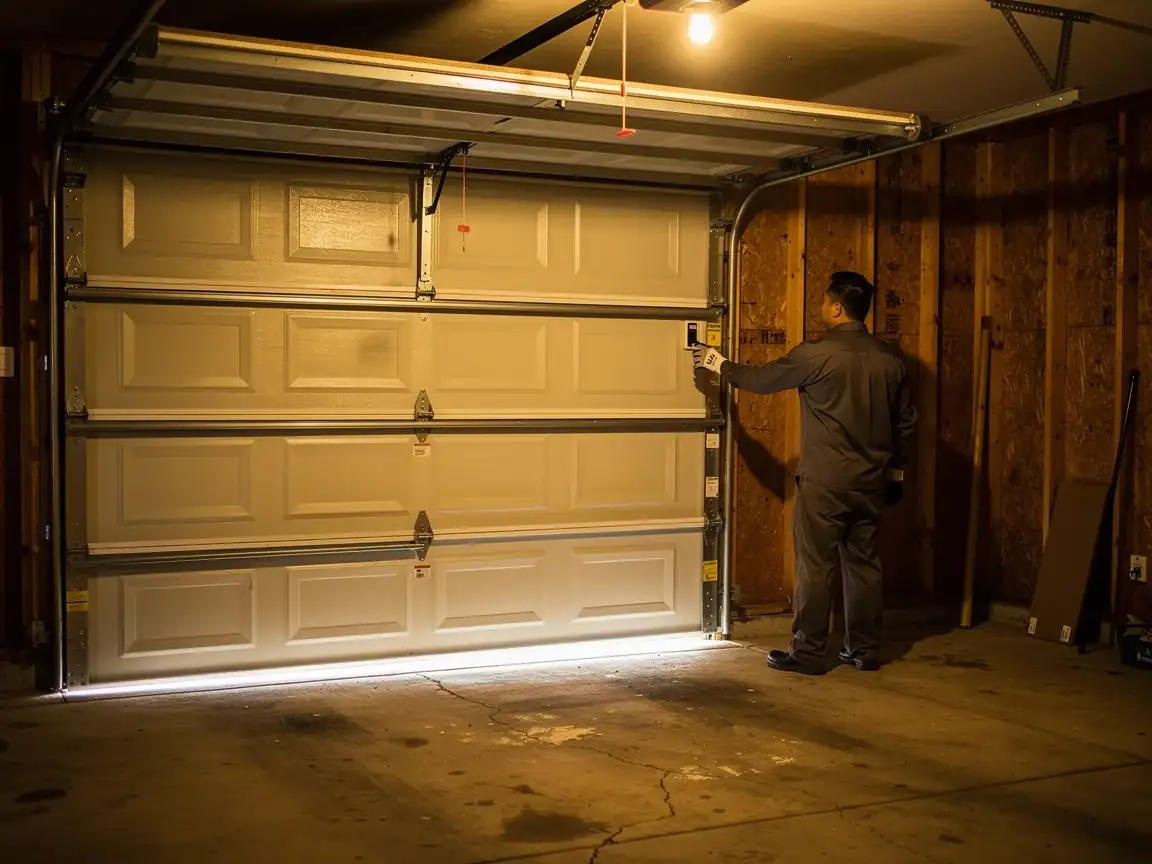
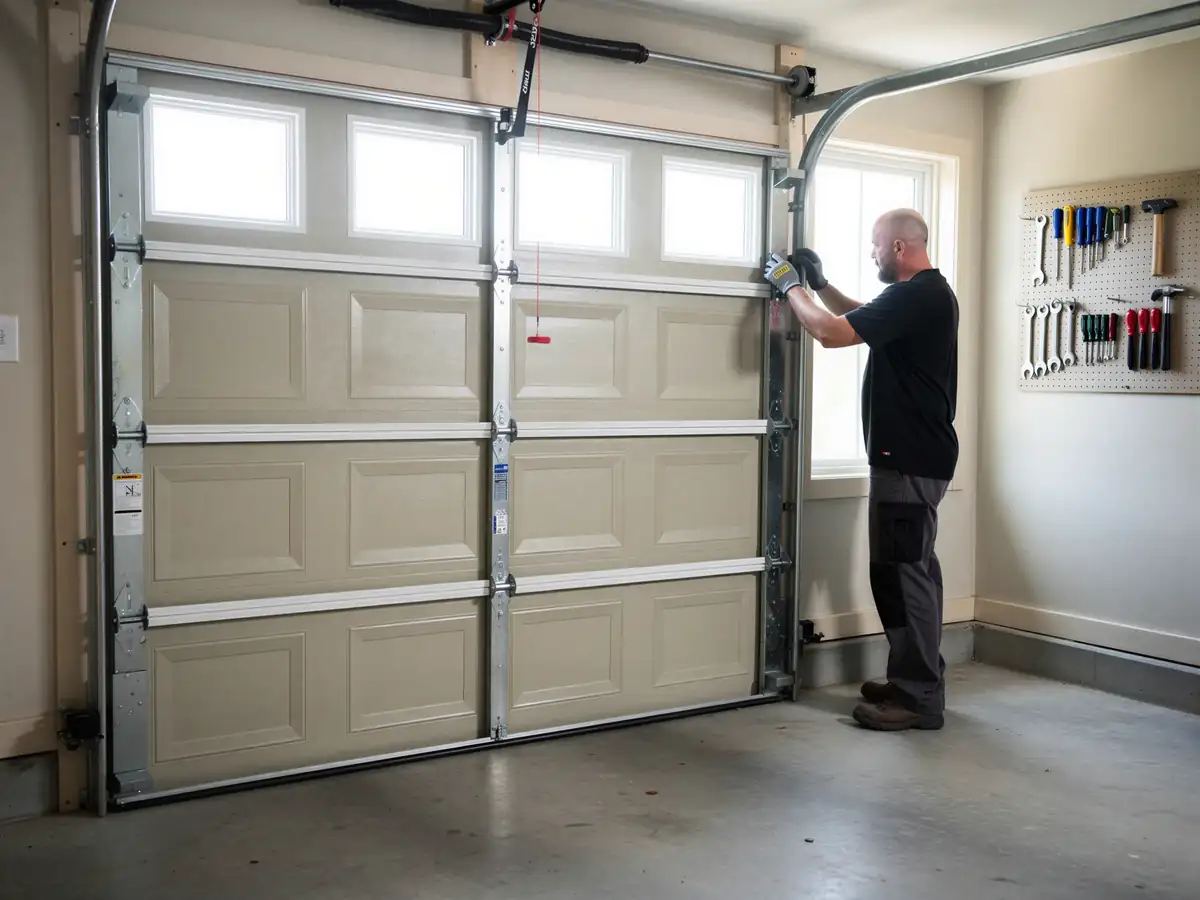
What takes longer is anything involving a part that's been discontinued by the original manufacturer, which does happen on openers from this era even when the door itself is fine. If we hit that, we'll tell you on site rather than ordering blind and making you wait on a guess. For a standard spring, cable, or roller job on a door from this build period, you're looking at one appointment, not a string of them.
Getting It Booked In
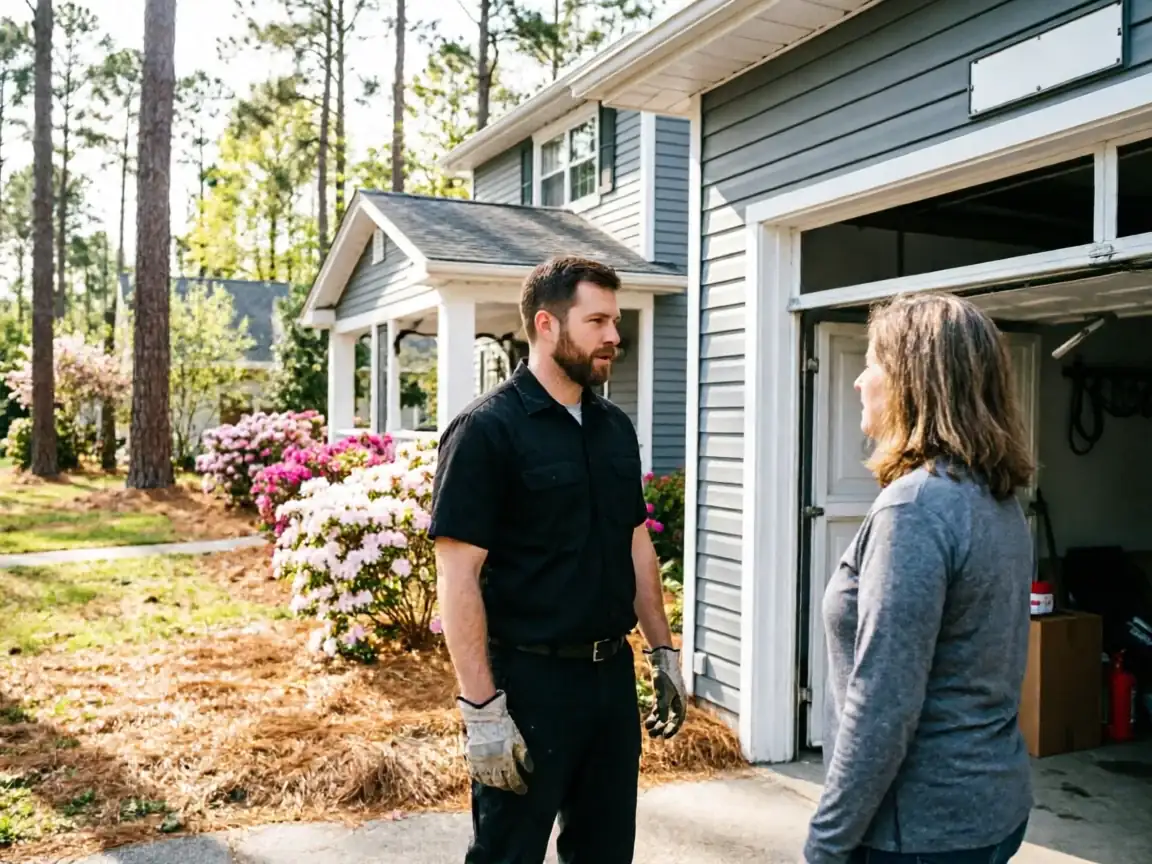
We run out of Suffolk, and Smithfield is about 19 miles out, which is worth knowing upfront: there's no branch office or depot in town, and we're not going to pretend otherwise. The truck comes from Suffolk for every call here, the same as it does for Windsor, Franklin. We're not going to promise a same-day window we can't back up at that distance, but we do plan routes so Smithfield jobs aren't an afterthought tacked onto the end of a day somewhere else.
If you're booking a repair, the more you can tell us up front - whether the door won't open at all, whether it's a specific noise, whether the opener runs but the door doesn't move - the better we can stock the truck before we leave Suffolk. That's the honest limitation of covering a town we're not based: we can't walk back to a shop for a part we didn't bring. A five-minute phone call before the drive out saves a second trip.
What Causes It Around Here
With most of Smithfield's housing dating to the late 1980s and early 90s
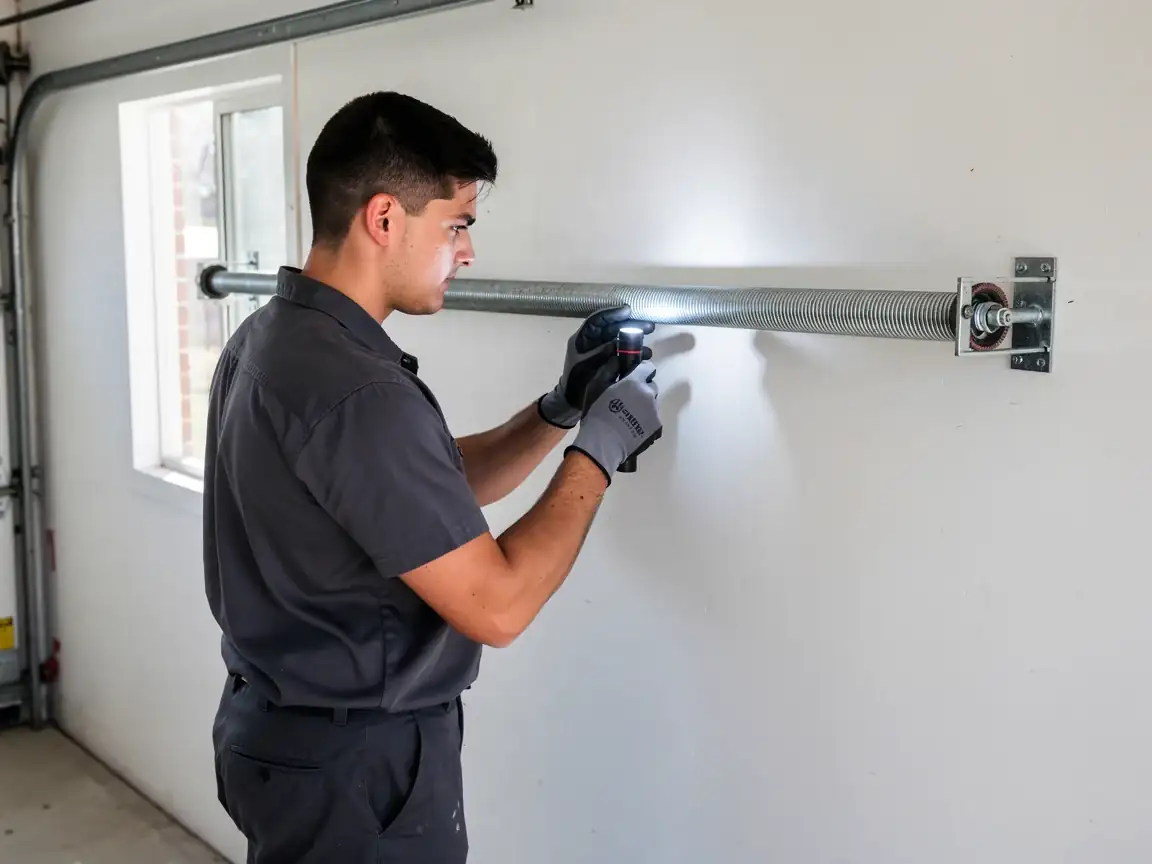
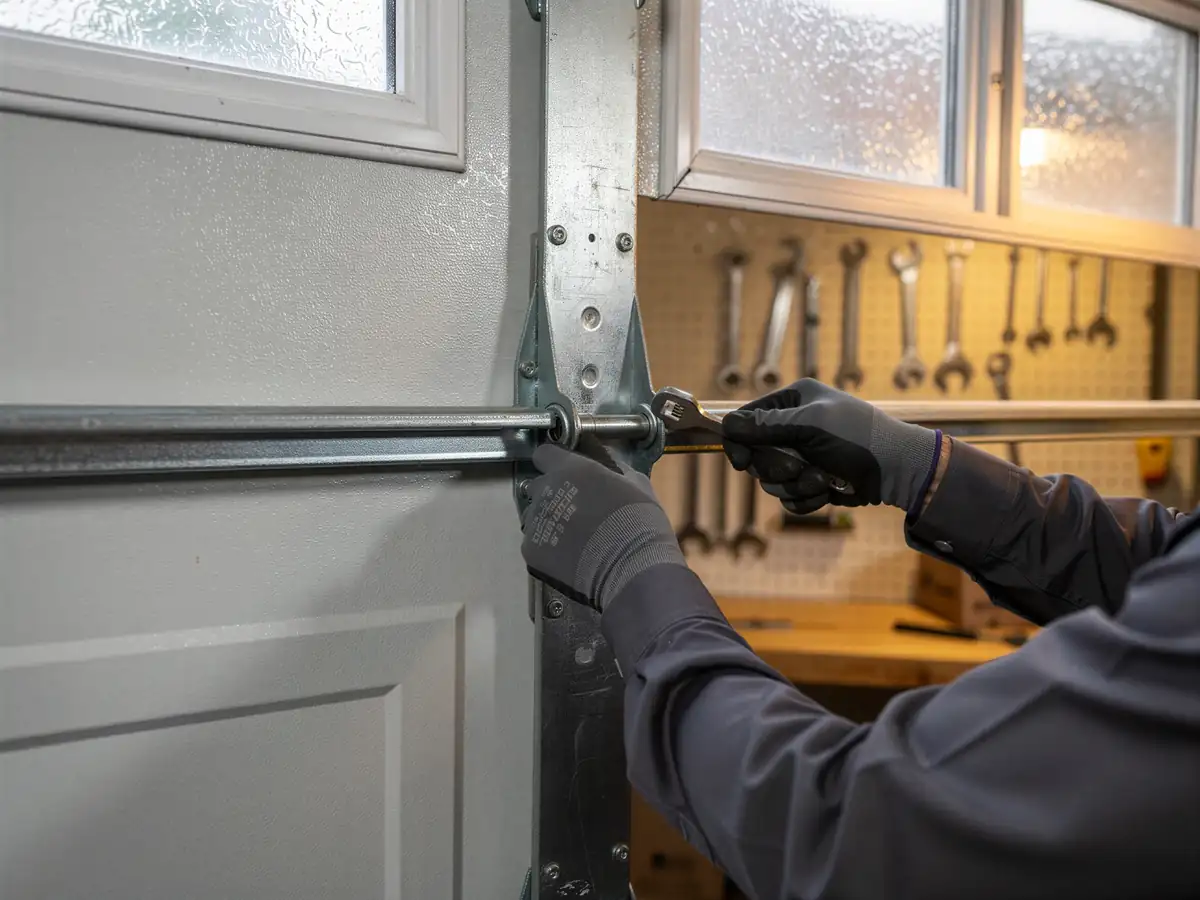
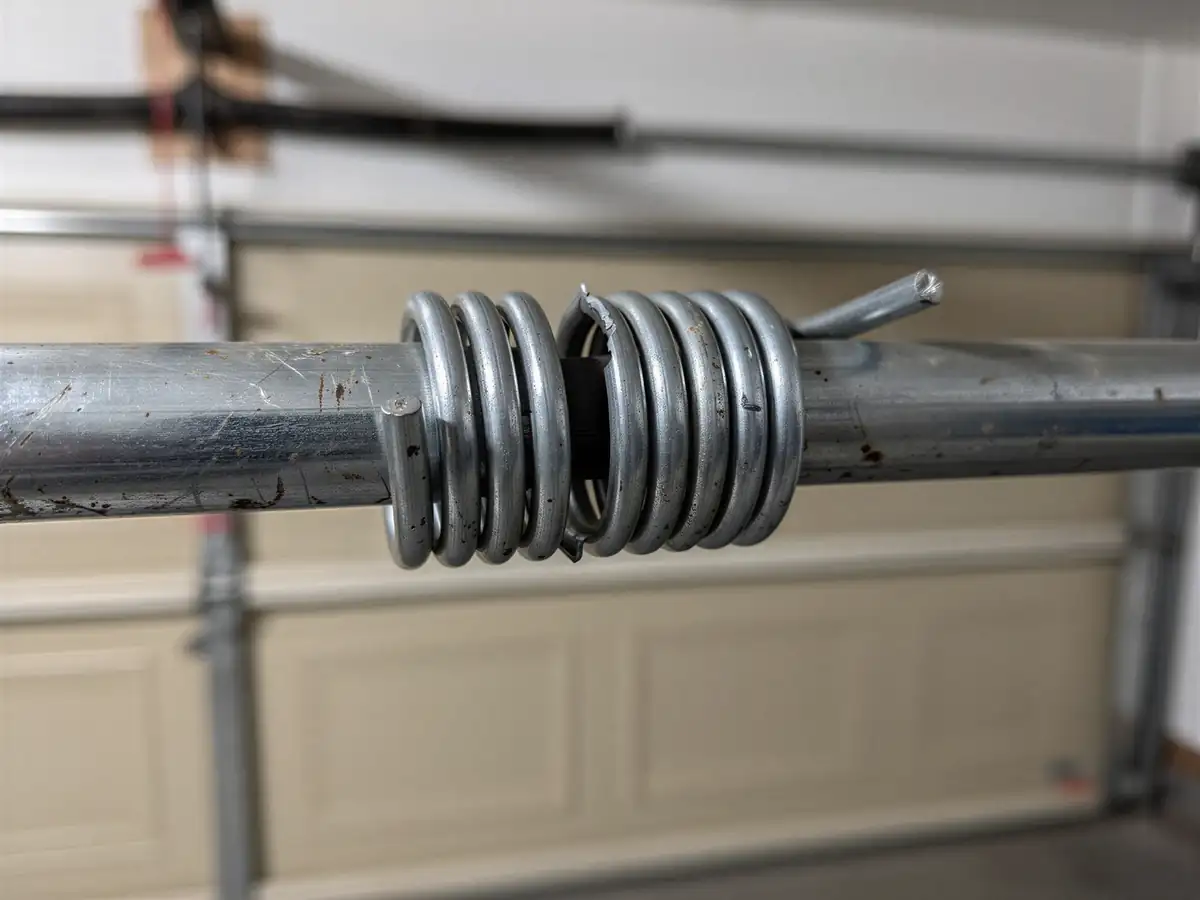
The doors and openers failing now are mostly original or one-replacement-in equipment hitting 30-plus years of use. Torsion springs rated for that era are typically well past their cycle life by now, and that's the single most common call: a spring that finally lets go, usually on a cold morning when the steel is stiffest and the door hasn't moved in days.
The region sits in a cold-moderate climate band
Which doesn't mean brutal winters, but it does mean enough freeze-thaw swing to stiffen lubricant, shrink weatherstripping, and put extra load on hardware that's already fatigued. Rollers that have gone dry for years grind harder in the cold. Cables that were fraying slowly start to show it. None of this is unique to any one house - it's what happens to a door that's been doing its job quietly for three decades without anyone thinking about the spring until it breaks.