Doing It Yourself
Smithfield has about 3,453 households
Which is small enough that most of the garage door problems we see aren't exotic - they're the same half-dozen failures showing up on a predictable schedule as houses age. That's good news if you're trying to figure out what you can handle yourself.
- 3,453 households
A door that won't close because the sensor eyes are dirty or knocked out of alignment
That's a five-minute fix with a rag and a level. Rollers that rattle but still roll - lubricate them, see if the noise settles down before you call anyone. A remote that's stopped talking to the opener - check the battery first, always.
What you shouldn't touch: torsion springs
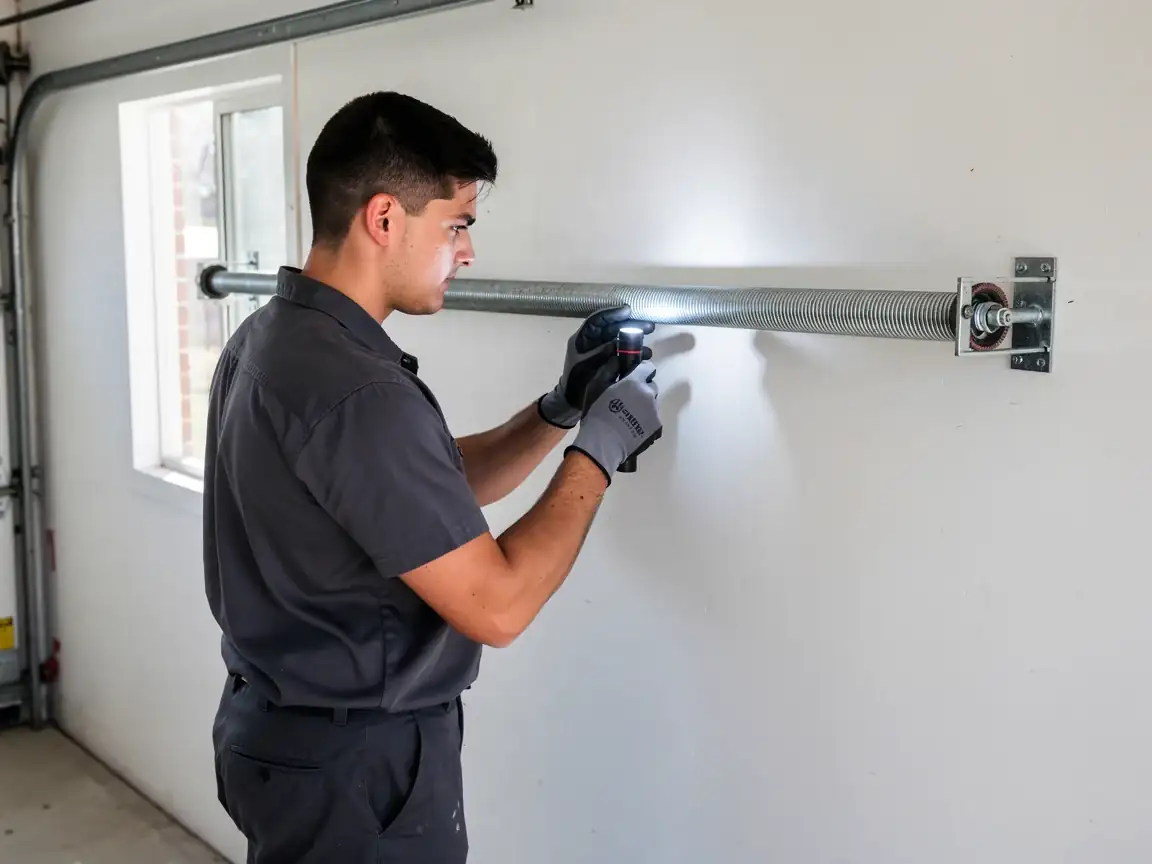
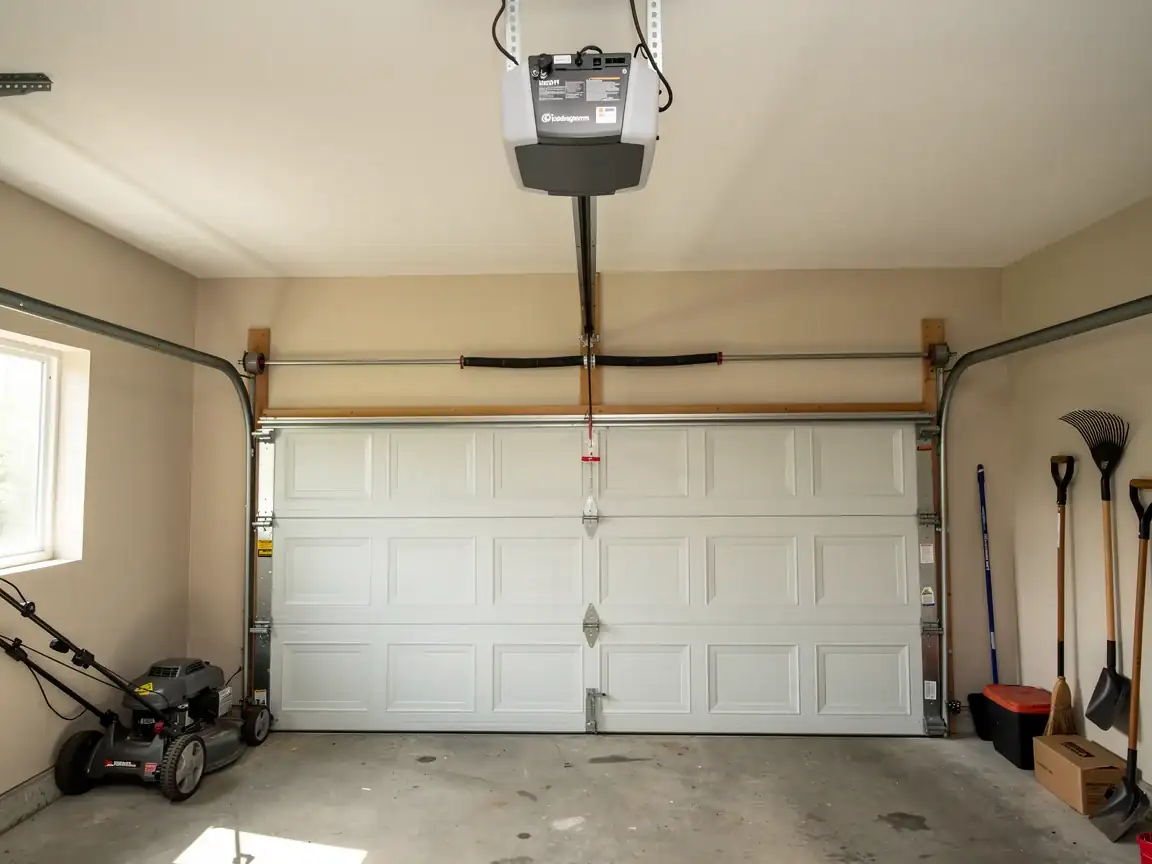
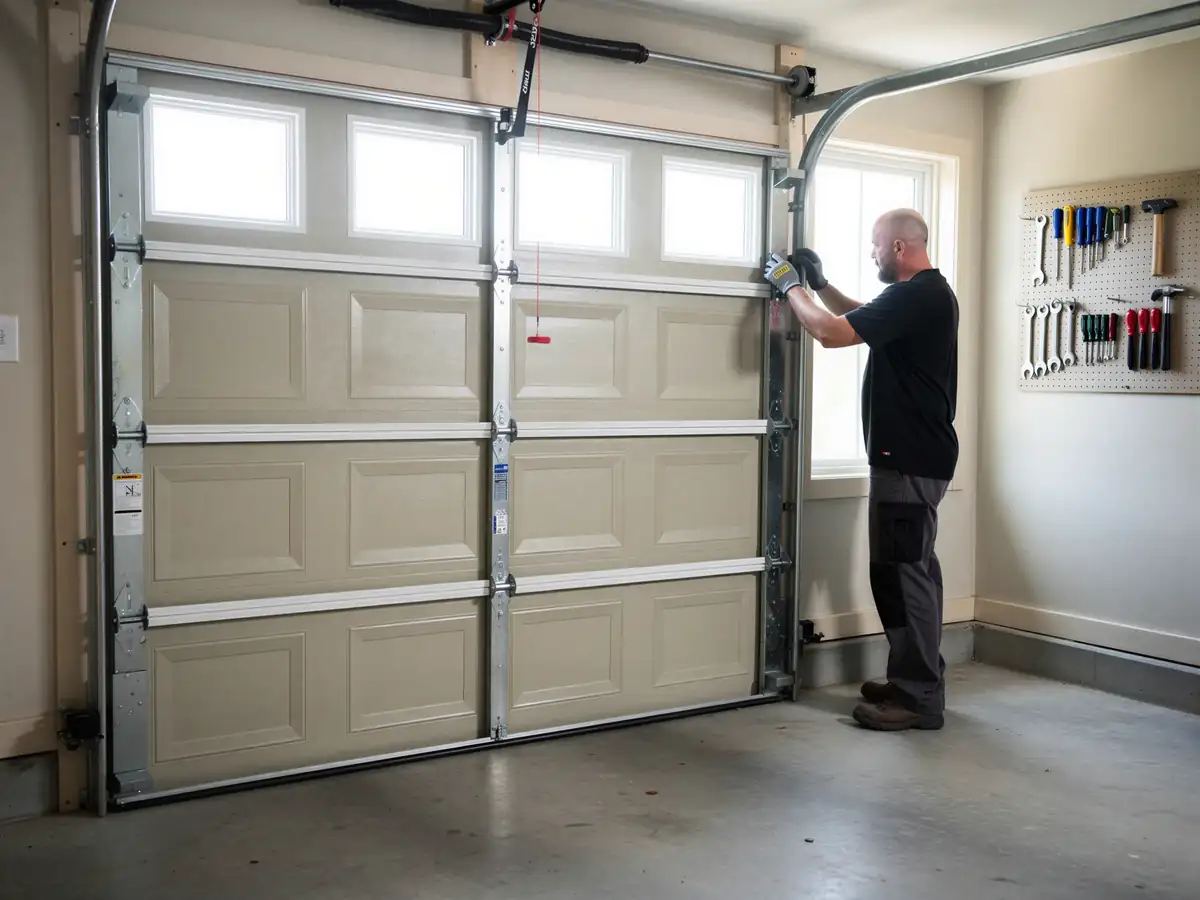
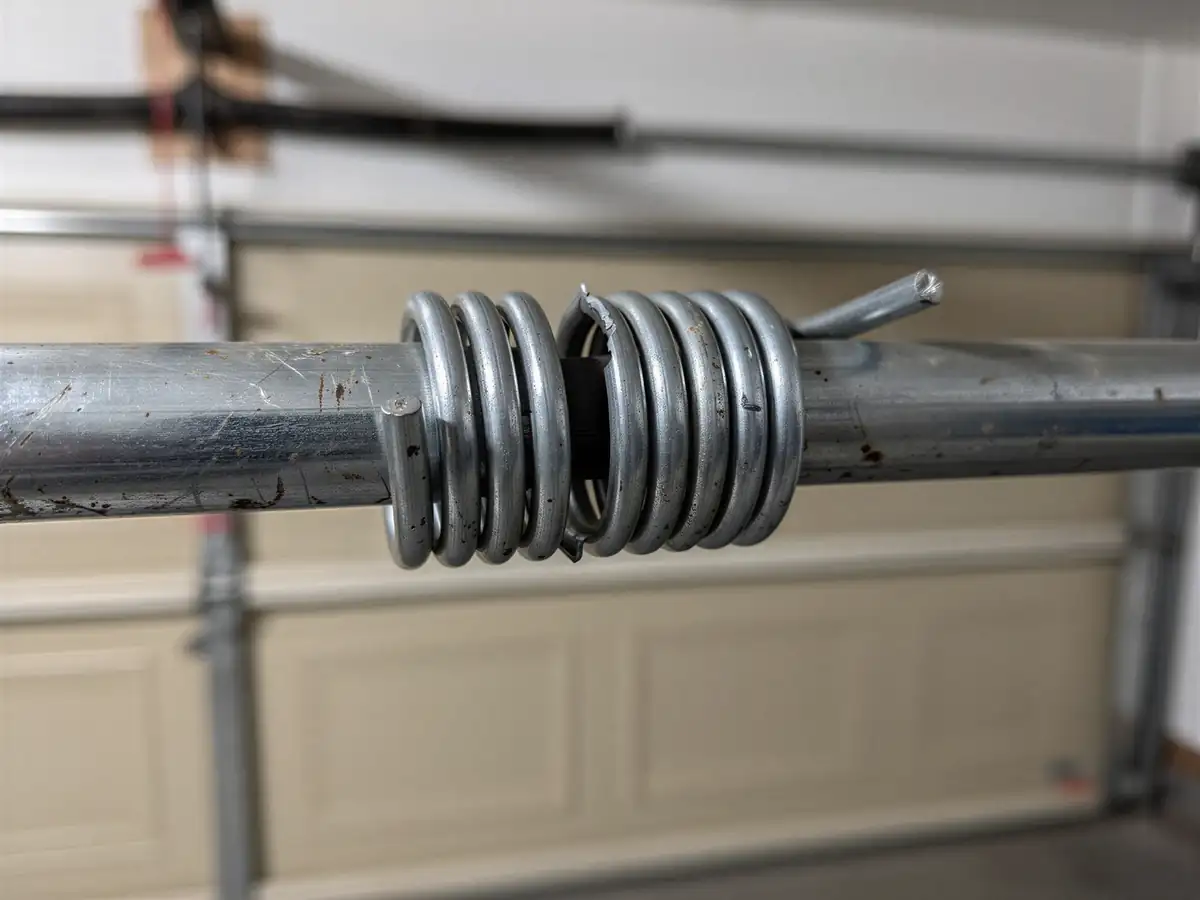
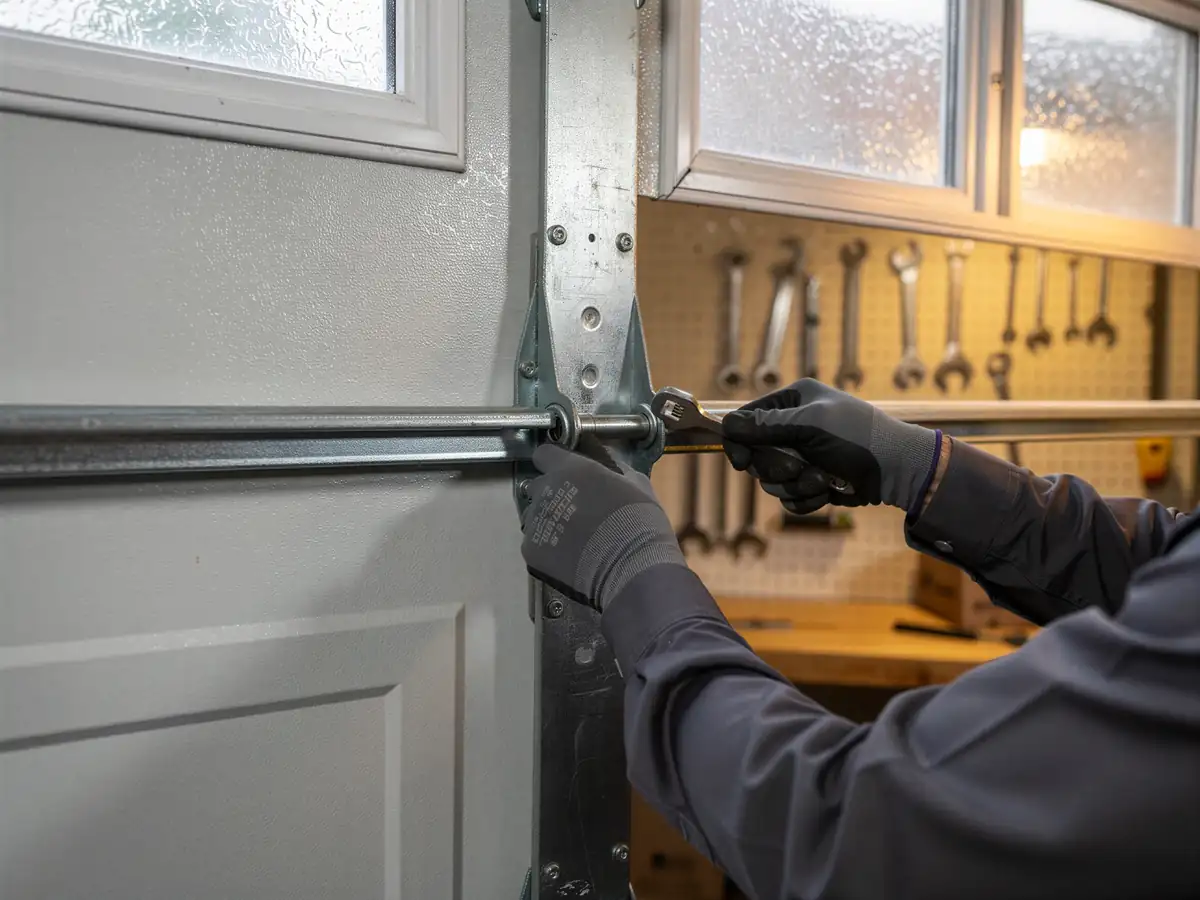
If your door has one or two coiled springs mounted above the opening rather than stretched springs along the horizontal track, that's stored energy that can break a hand or worse if you don't know the wind-down procedure. We'd rather you call us for a spring than end up in an ER visit that costs more than the repair. Same goes for cables under tension - leave those alone.
If the door is off its track or the opener is grinding but not lifting, stop trying things
You can turn a $200 repair into a $600 one by forcing a door that's already fighting you.
How Long It Takes
We run out of Suffolk, and Smithfield is about 19 miles from there, so every call here starts with a real drive, not a quick trip across town. That distance is worth knowing because it shapes how we schedule - we're not going to promise you a same-hour fix the way a shop with a branch in town might, because we don't have one here.
What we can tell you is that once a tech is on site, most common repairs - a broken spring, a bent track section, a failed opener logic board - run in the one-to-two hour range, same as anywhere else. The 19 miles adds to when we can get there, not to how long the actual job takes once we're in your driveway.
If you're booking a repair, building in that drive time when you think about your day helps more than anything else. A morning appointment in Smithfield isn't the same as a morning appointment five minutes from our trucks.
Getting It Booked In
We don't have a landmark or a neighborhood to point you to in Smithfield - we don't have a yard here, we come from Suffolk every time. So booking is straightforward: you call, you tell us what the door is doing (or not doing), and we give you a window that accounts for the drive.
Having a few things ready speeds this up. The age of the door if you know it, whether it's one solid panel or sectional, and whether the opener is still original or's been swapped at some point. If you can see whether the spring is a single horizontal coil (torsion) above the door or two stretched springs along the sides (extension), that one detail alone often tells us what's in the truck before we arrive.
Smithfield's median household income runs noticeably higher than the broader Suffolk service area - $110,182 against $65,321 - and in practice that means more of the calls we get here are replacement conversations rather than patch-it-and-wait repairs. Worth knowing going in if you're deciding whether to fix the door you have or start pricing a new one.
What Causes It Around Here
Most houses in Smithfield went up around 1992
Which puts a lot of garage doors and openers right at the point where original hardware starts failing in clusters rather than one at a time. Thirty-plus years is a long run for a torsion spring, and it's past the design life for a lot of the openers that came standard in that era.
The region sits in a cold-moderate climate band
Not brutal winters, but enough freeze-thaw cycling and humidity swings that galvanized spring coatings and steel tracks take a slow beating over decades. We see corrosion on cable ends and roller shafts more than we see dramatic storm damage. It's wear, not weather events, that drives most of the calls.
With roughly 3,453 households in the area
You're not looking at a town where every house on the street has the same builder-grade door failing in the same month - there's enough variety in when additions and renovations happened that ages are spread out. But the core pattern holds: original-to-the-house hardware from the early '90s is now the thing most likely to need a service call, whether that's a spring losing its wind or an opener's circuit board finally giving out after three decades of use.
- 3,453 households