Doing It Yourself
Windsor's median household income sits at $65,321
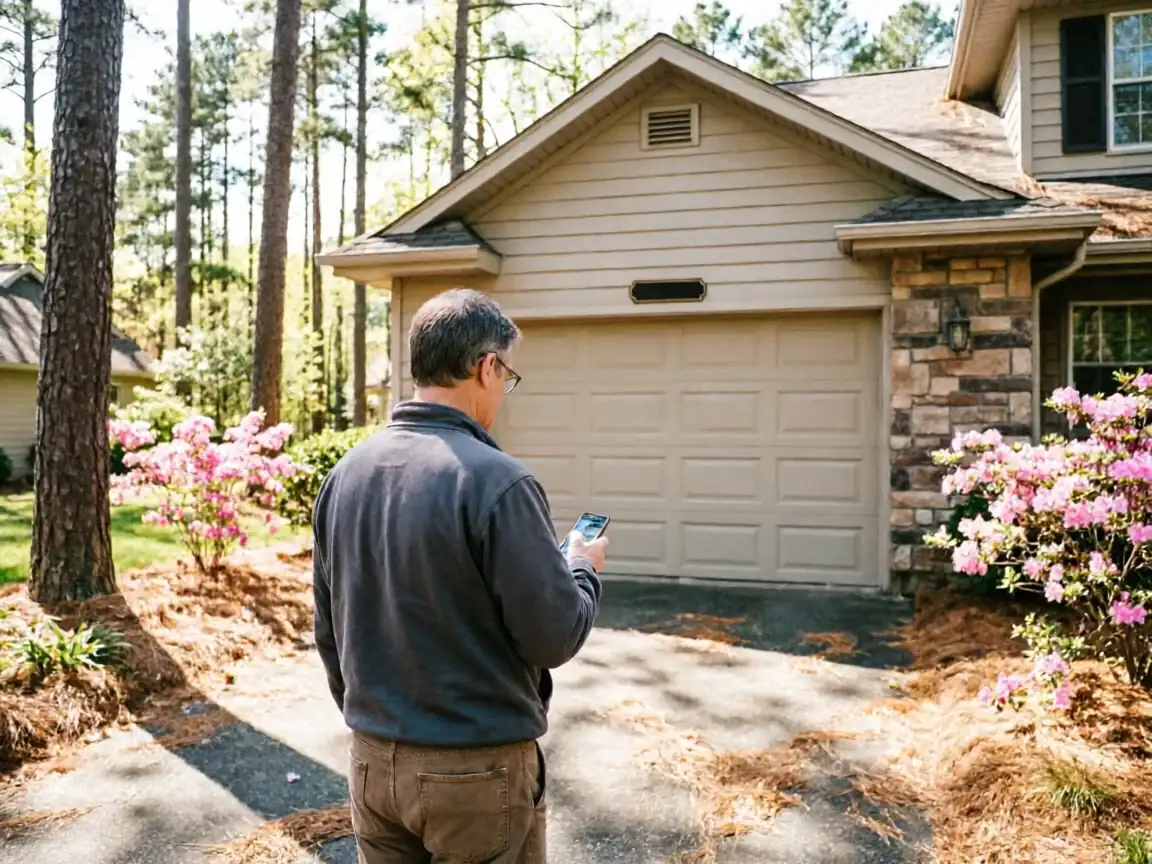
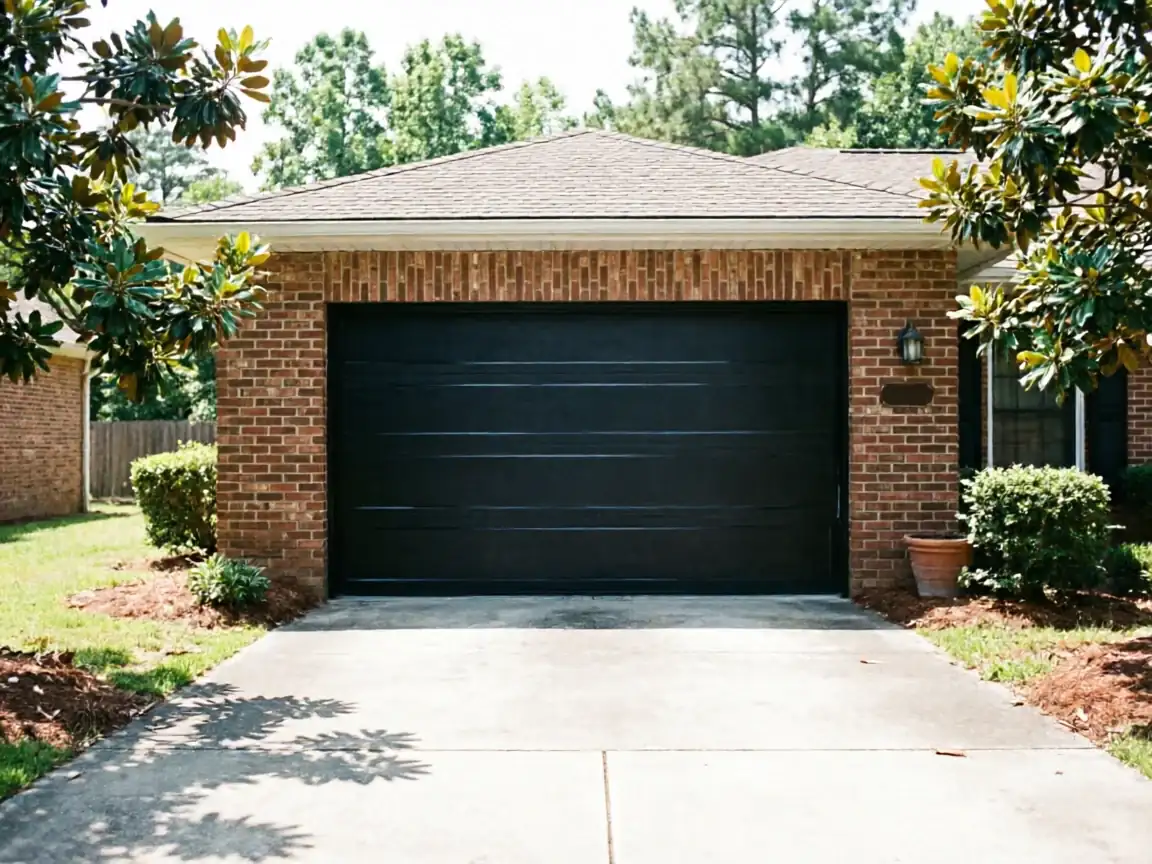
And most of the houses on this side of town went up in the early 1990s, with the local median build year landing right at 1991. That combination matters when you're deciding whether to install a new opener yourself or have someone do it for you. A basic chain-drive kit from a hardware store is cheap enough that DIY looks tempting on a budget like that, but a lot of the doors still hanging in those 1991-era openings carry more weight than a big-box opener's default force settings expect.
- $65,321 median household income
Here's the honest limitation
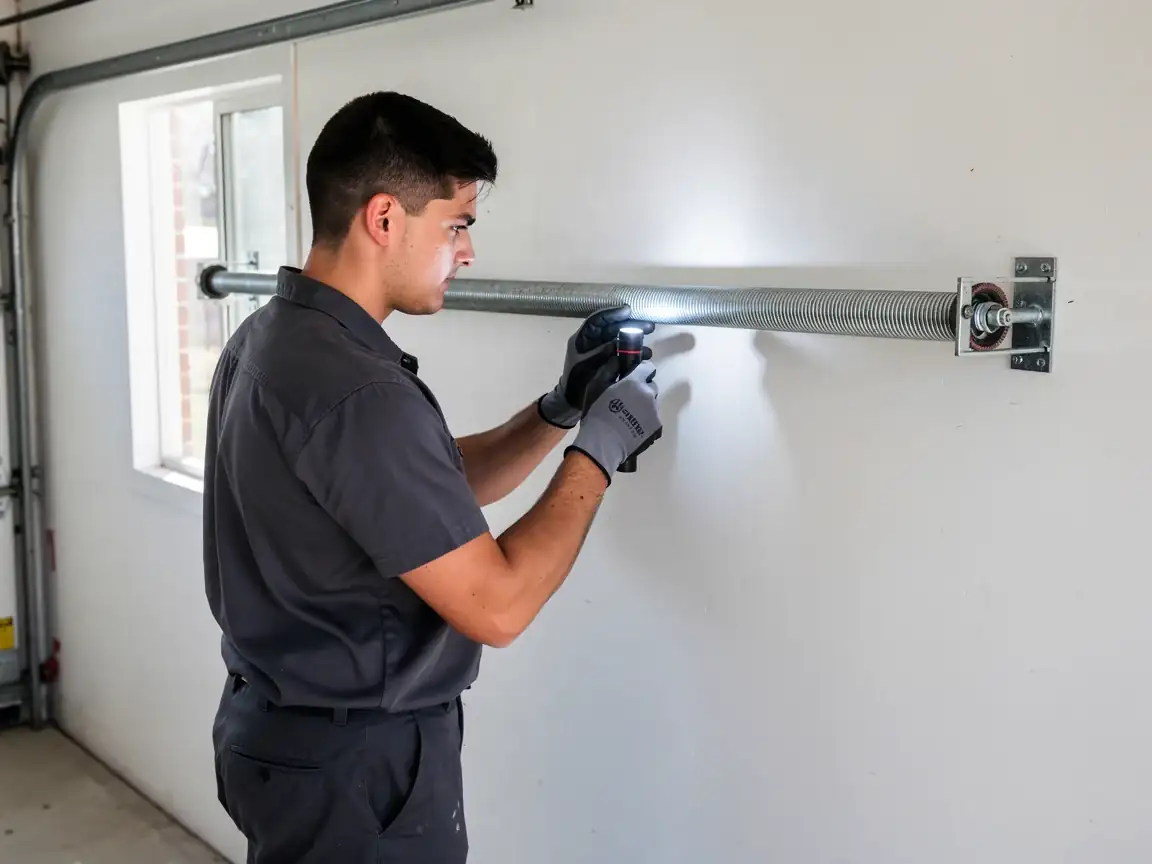
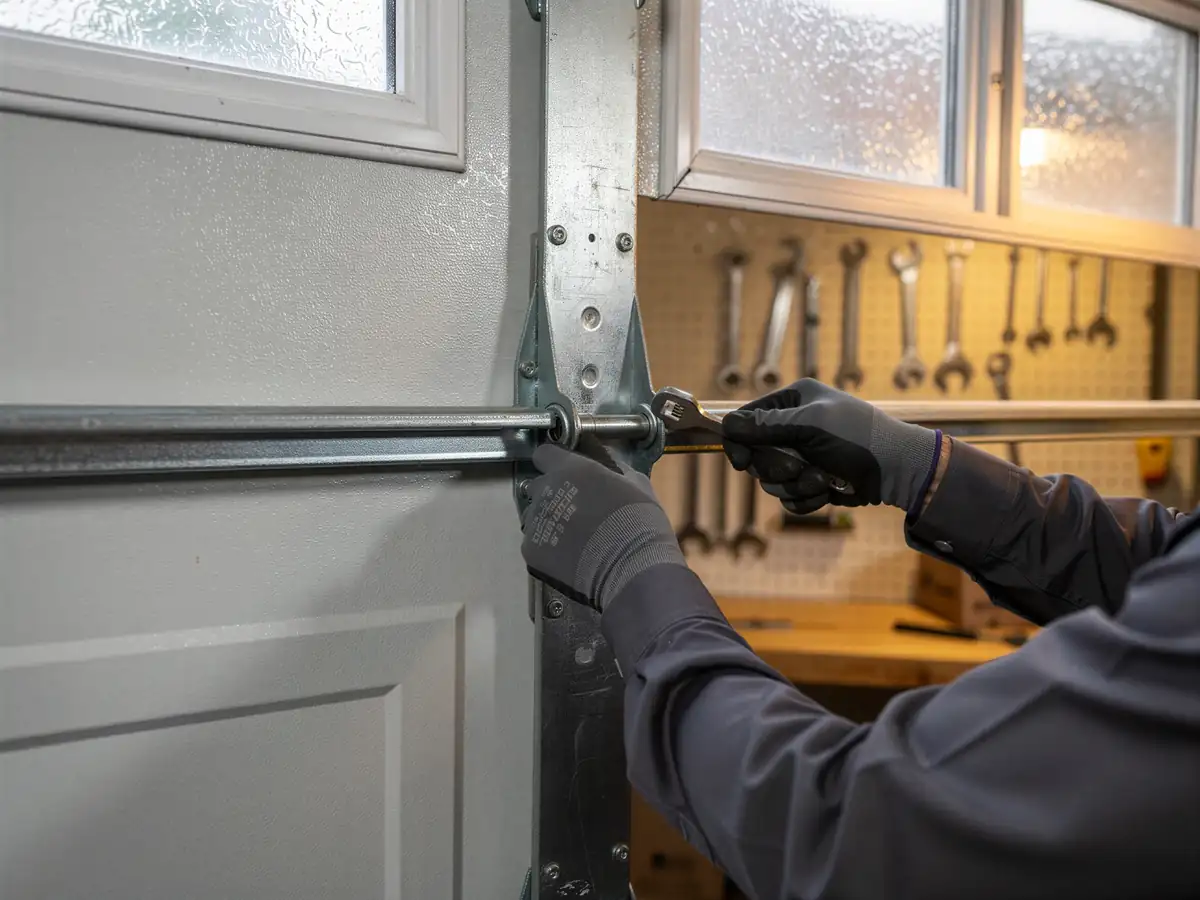
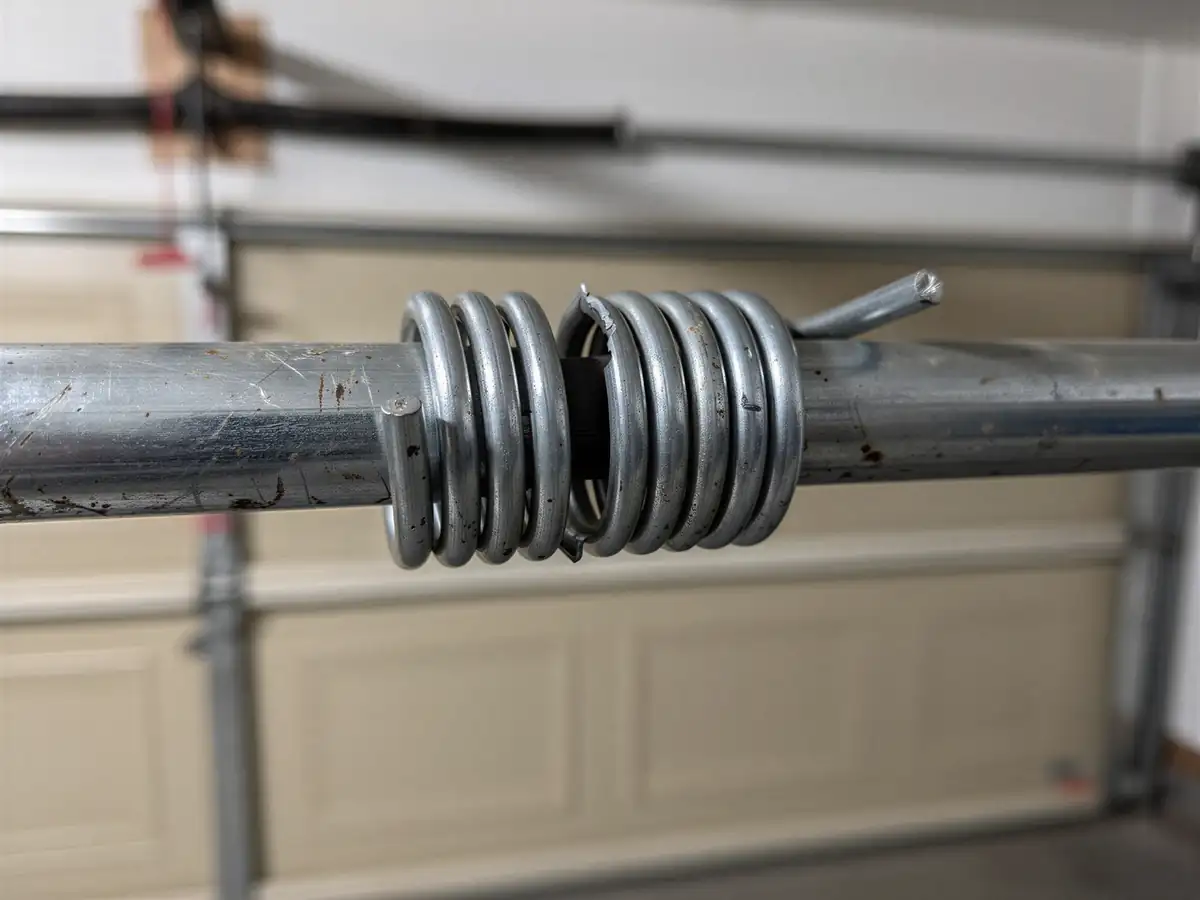
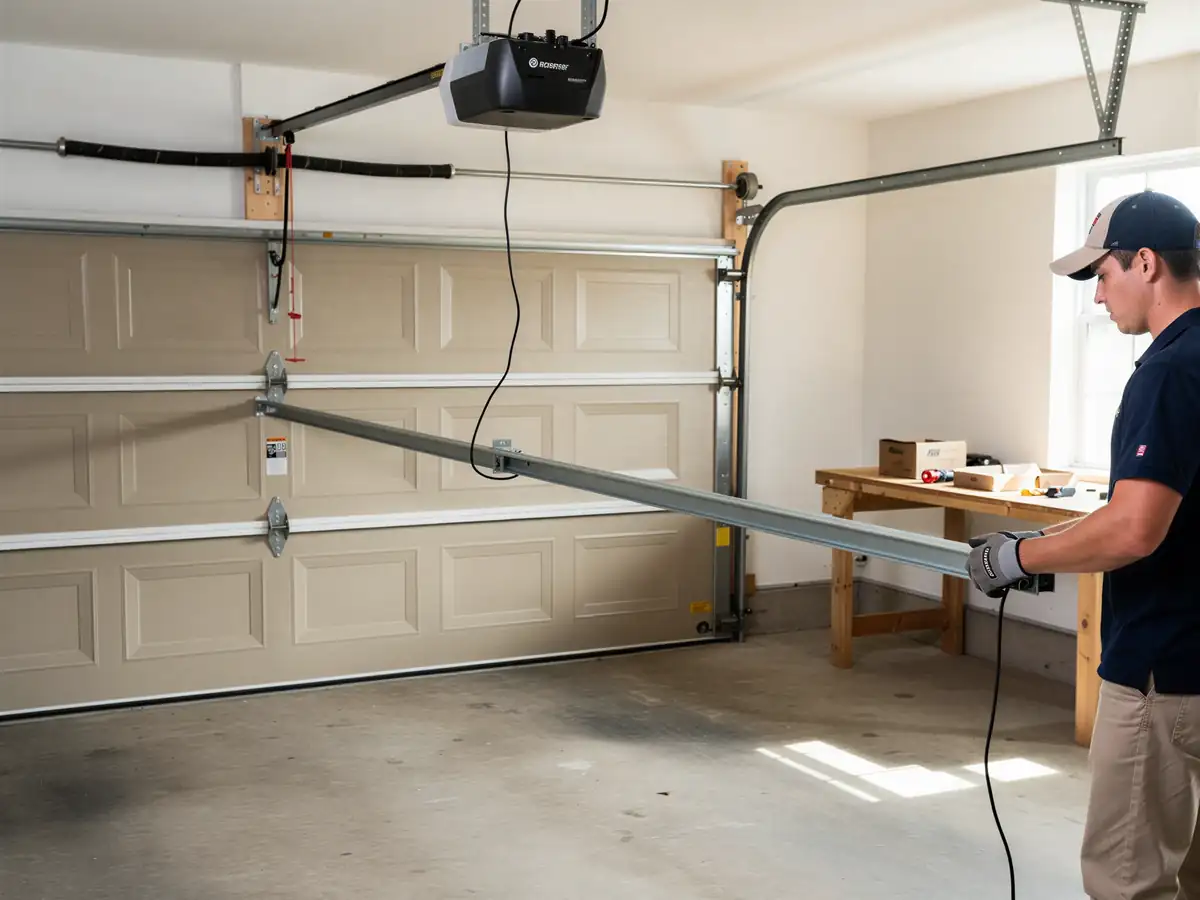
We don't recommend a DIY swap when the existing track or spring setup is original to the house. Mismatched force settings on a torsion spring that old are how people get hurt, not because bolting up an opener motor is hard in itself. If the opener is the only thing getting replaced and the door and hardware are sound, a homeowner with some mechanical sense can usually manage it. If you're not sure which situation you're in, that's worth a second set of eyes before you climb a ladder.
The Symptom
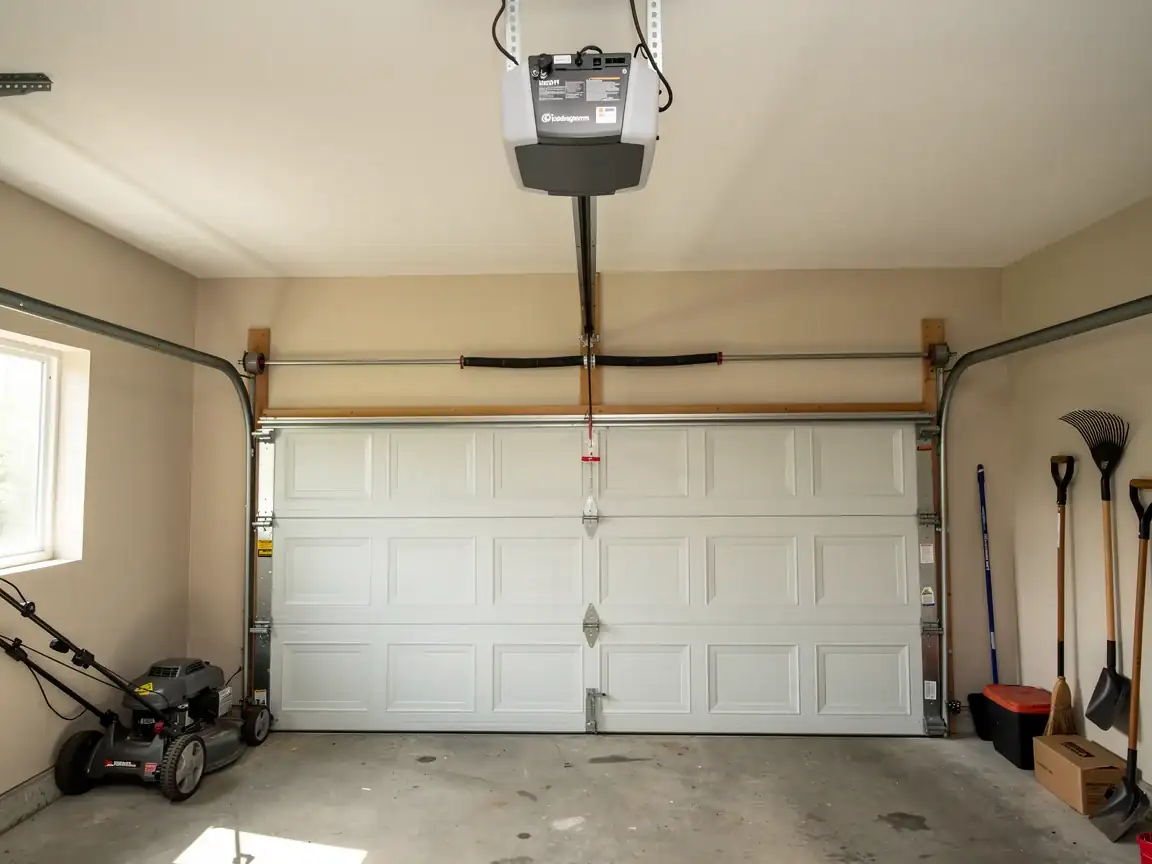
The giveaway usually isn't a dead remote, it's the grind. A house built around 1991 that still has its original opener is running a motor roughly three decades old - well past the point where parts for that specific gearset are easy to find. When the opener strains on the way up, reverses for no reason halfway through the cycle, or the light comes on but the door doesn't move, that's wear that's outrun any reasonable repair.
In a house this age, the drive mechanism is naturally louder than anything built in the last ten years - that part's normal. What's not normal is a stutter, a hum that cuts out, or a door that starts moving and then stalls. Those point to a motor or circuit board at the end of its life, not a $20 sensor fix. On a 1,052-household town like this, there isn't a dominant single opener brand we see on every block - ages and makes vary house to house, which is exactly why we look at the unit before quoting anything.
How Long It Takes
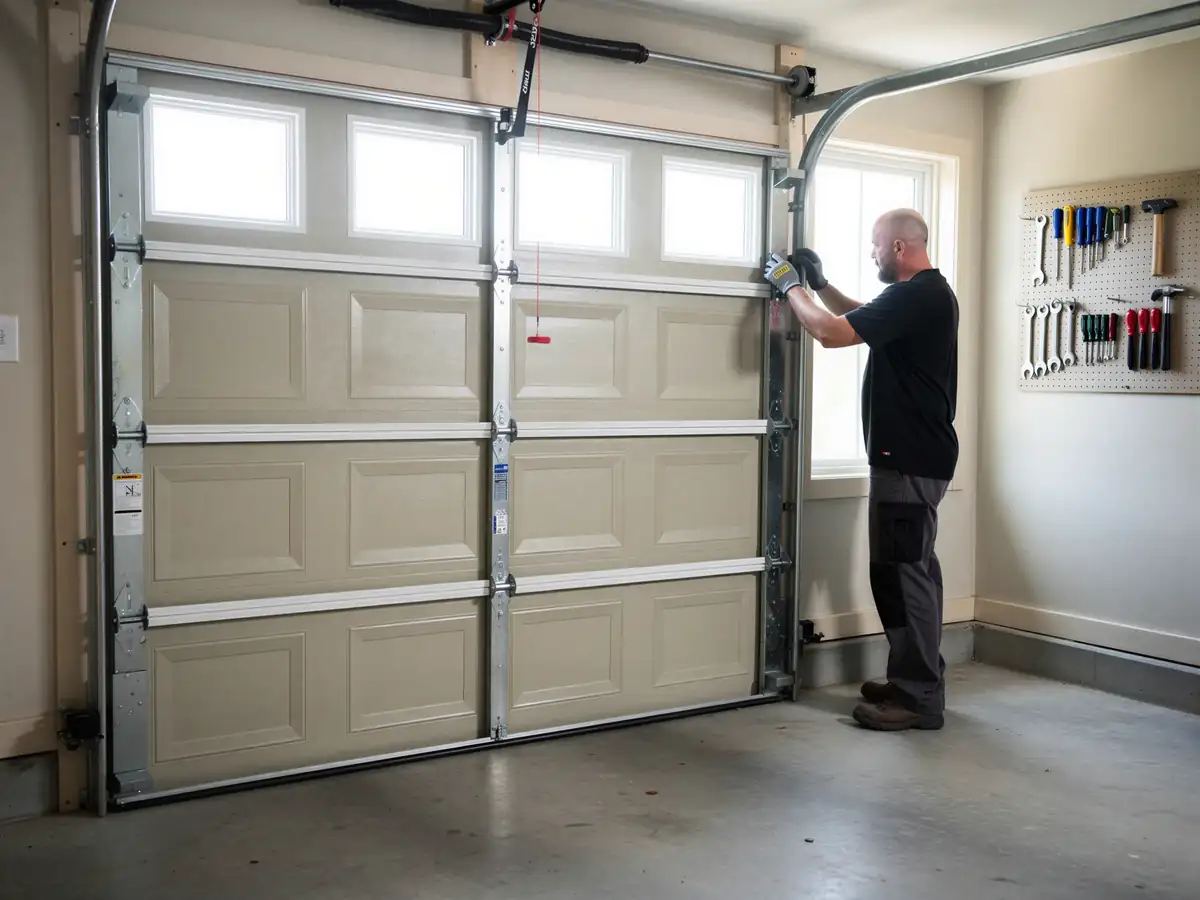
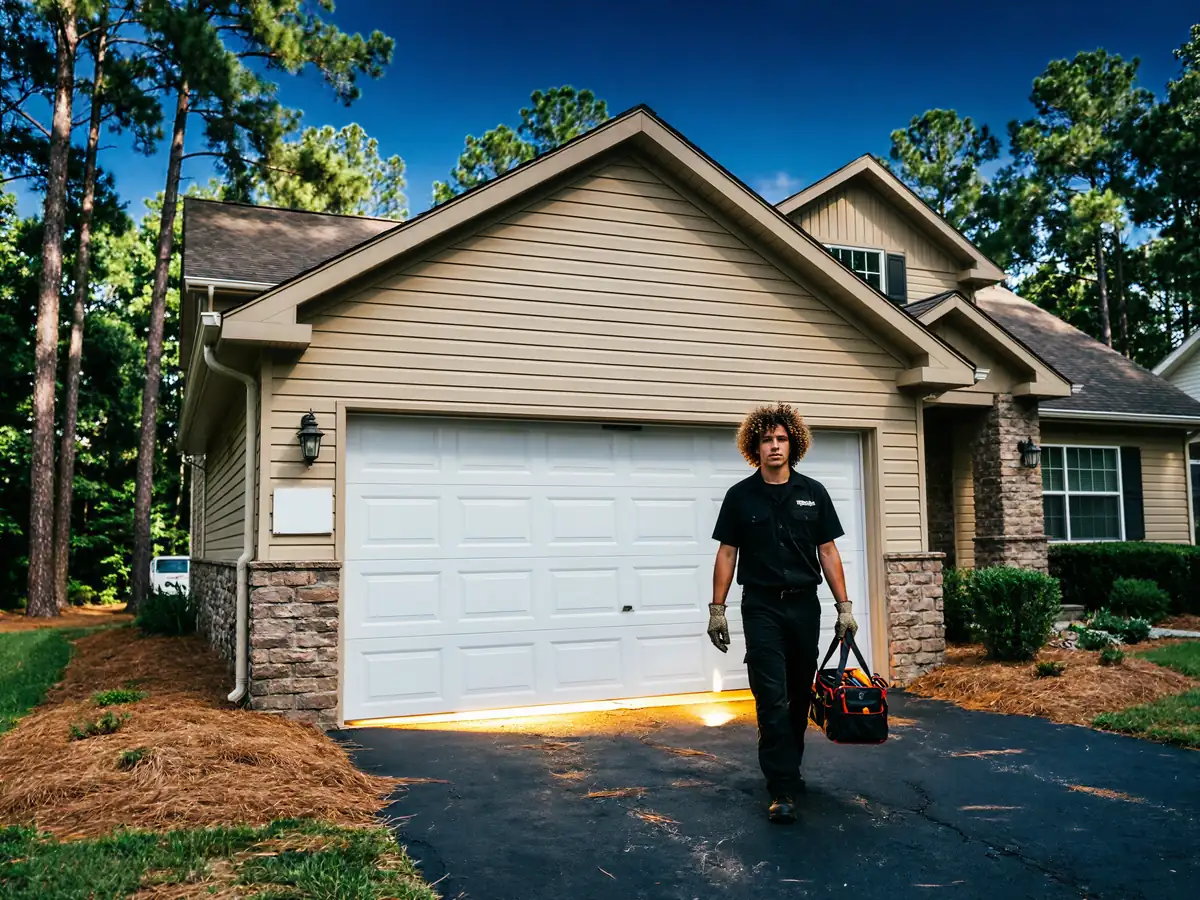
We come out of Suffolk, about 10 miles up the road, and schedule the opener install as one trip rather than treating it as a rush job. A straightforward swap on a single door - old opener off, new one mounted, travel limits and force set, safety sensors aligned - is typically a half-day job once we're on site, door type and ceiling height being the main variables.
Windsor sits in a cold-moderate climate band, which doesn't change how long the mechanical work takes, but it does affect what we check before we leave: cold-weather lubrication on chain and rail, and making sure the opener's force settings account for a door that's heavier in January than it tests out in July. We'd rather spend the extra ten minutes on that than get a callback over a door that labors on a cold morning.
What the Repair Takes
Matching the opener to the door matters more than matching it to the house's decade
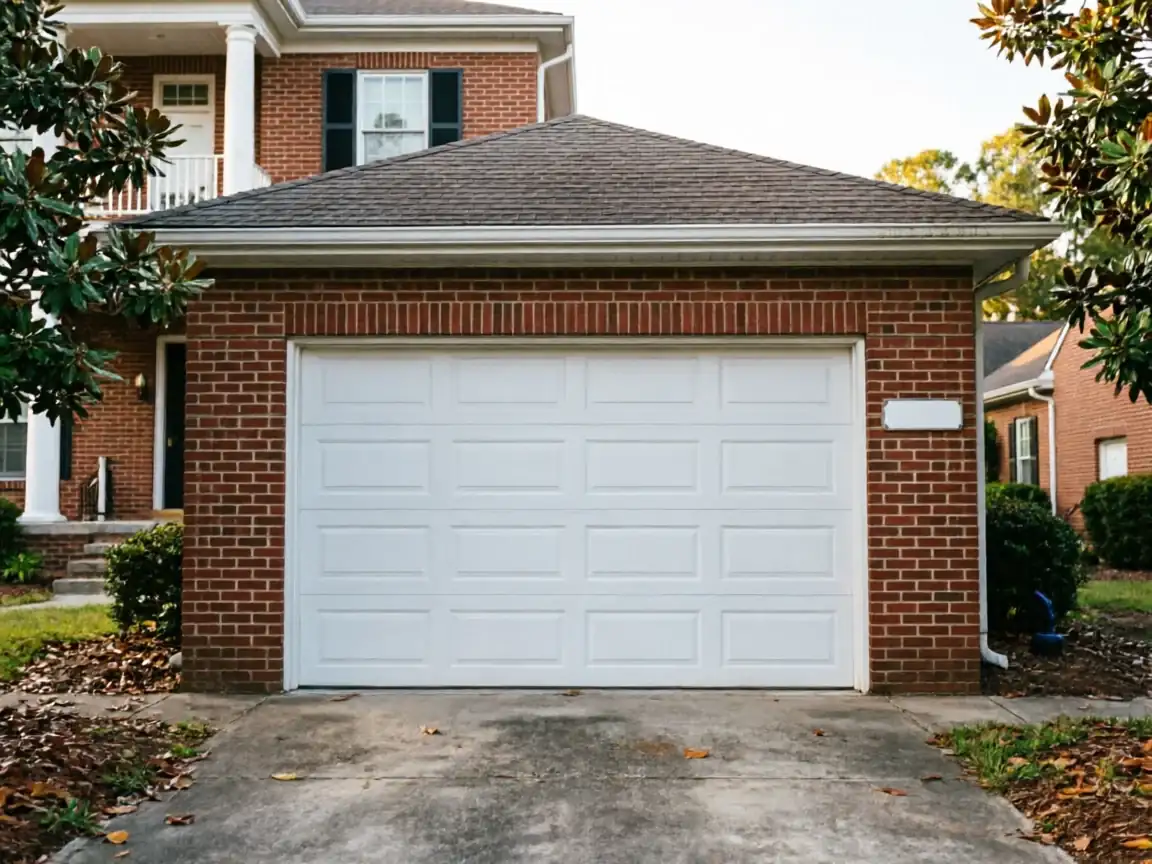
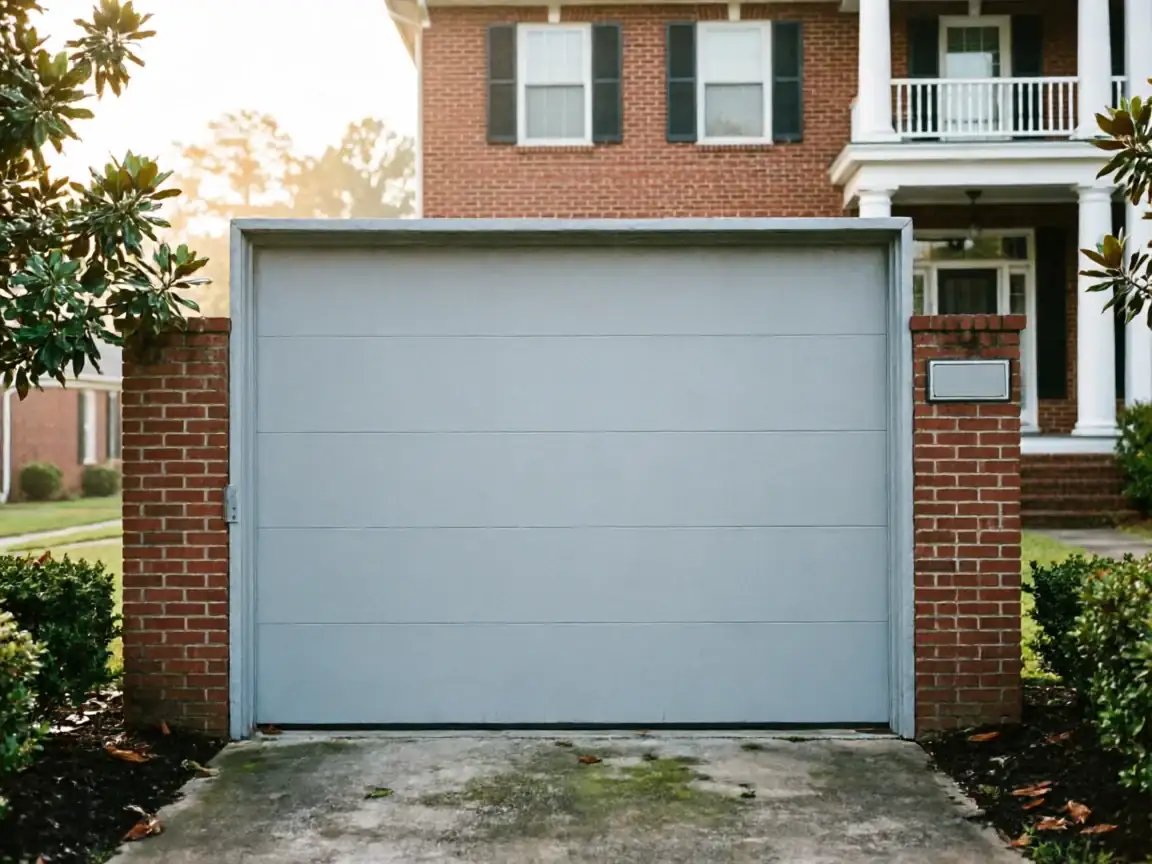
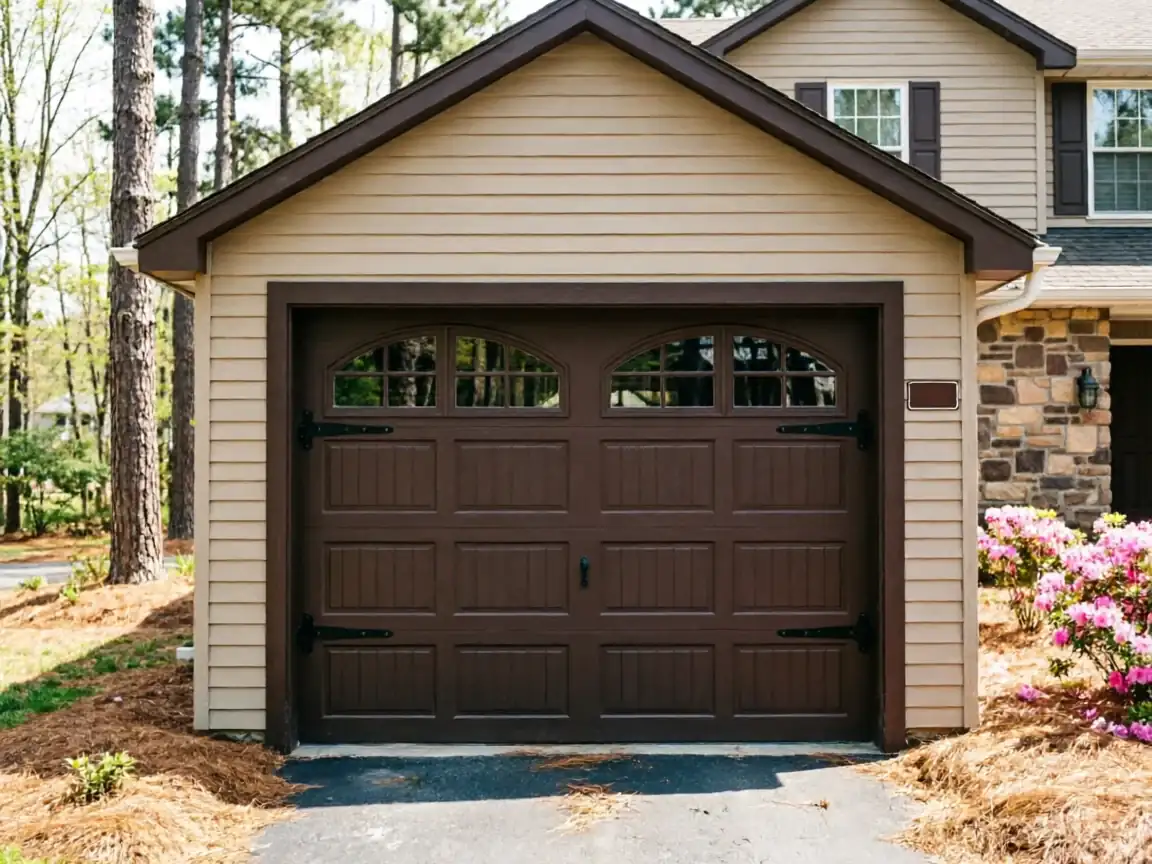
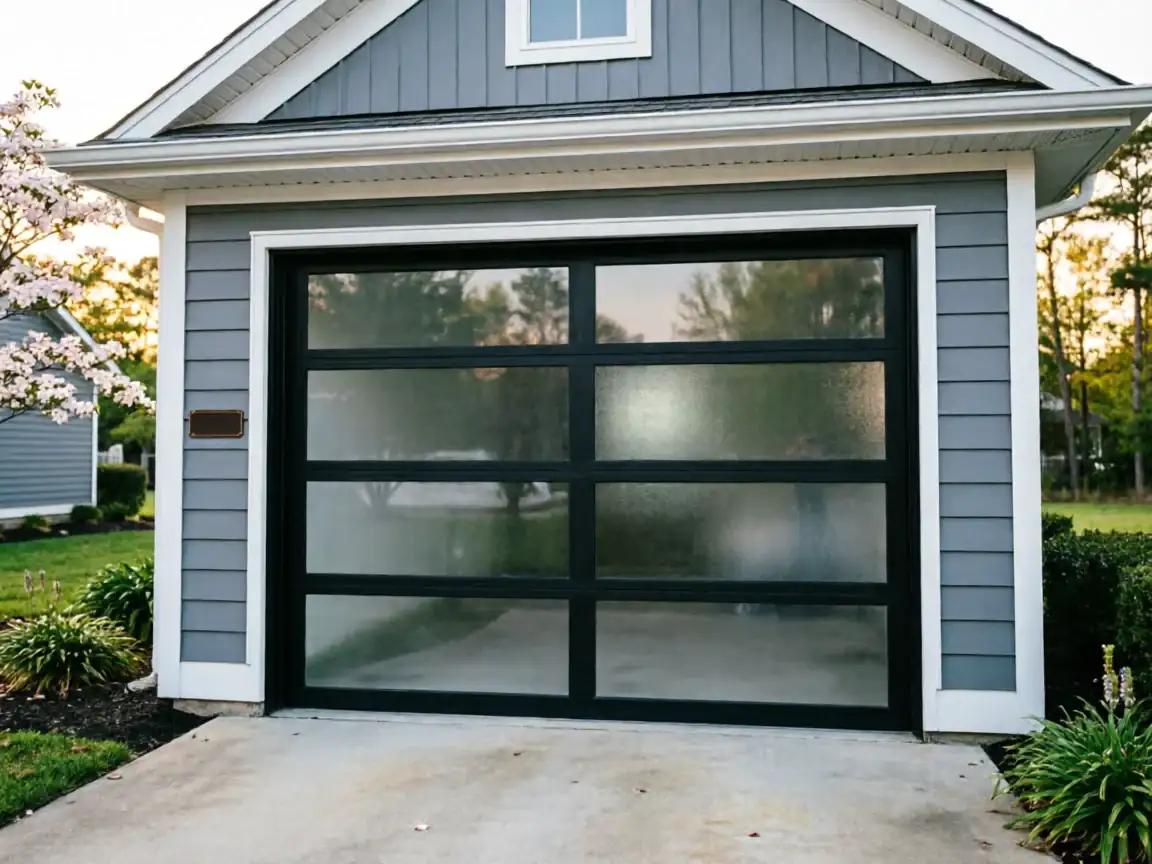
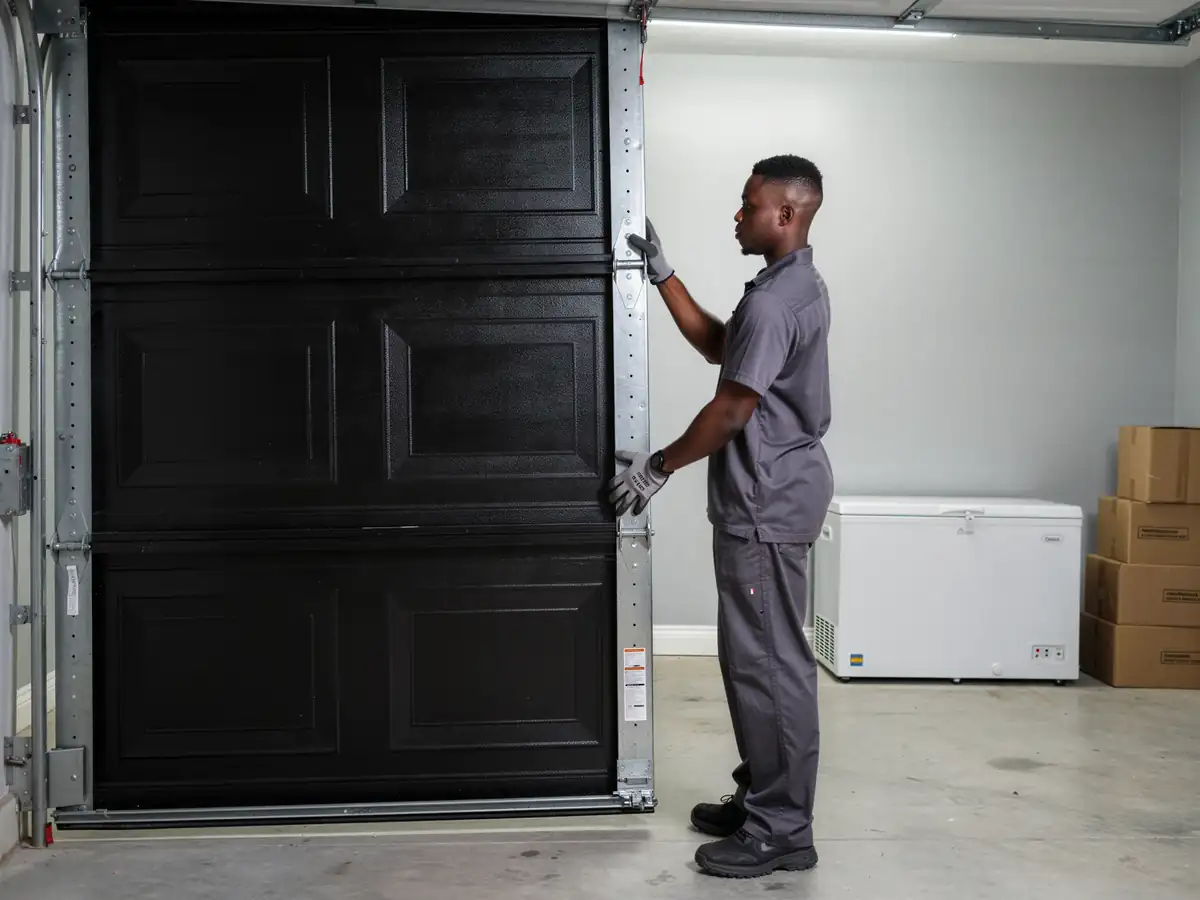
But in Windsor those two things usually line up. Doors original to houses built between the 1960s and early '90s tend to be heavier, single-layer steel or solid wood panels, built before lightweight insulated doors became standard. An opener sized for a modern door can undersize the lift on one of these, which shows up later as a motor that runs hot or a drive gear that wears fast.
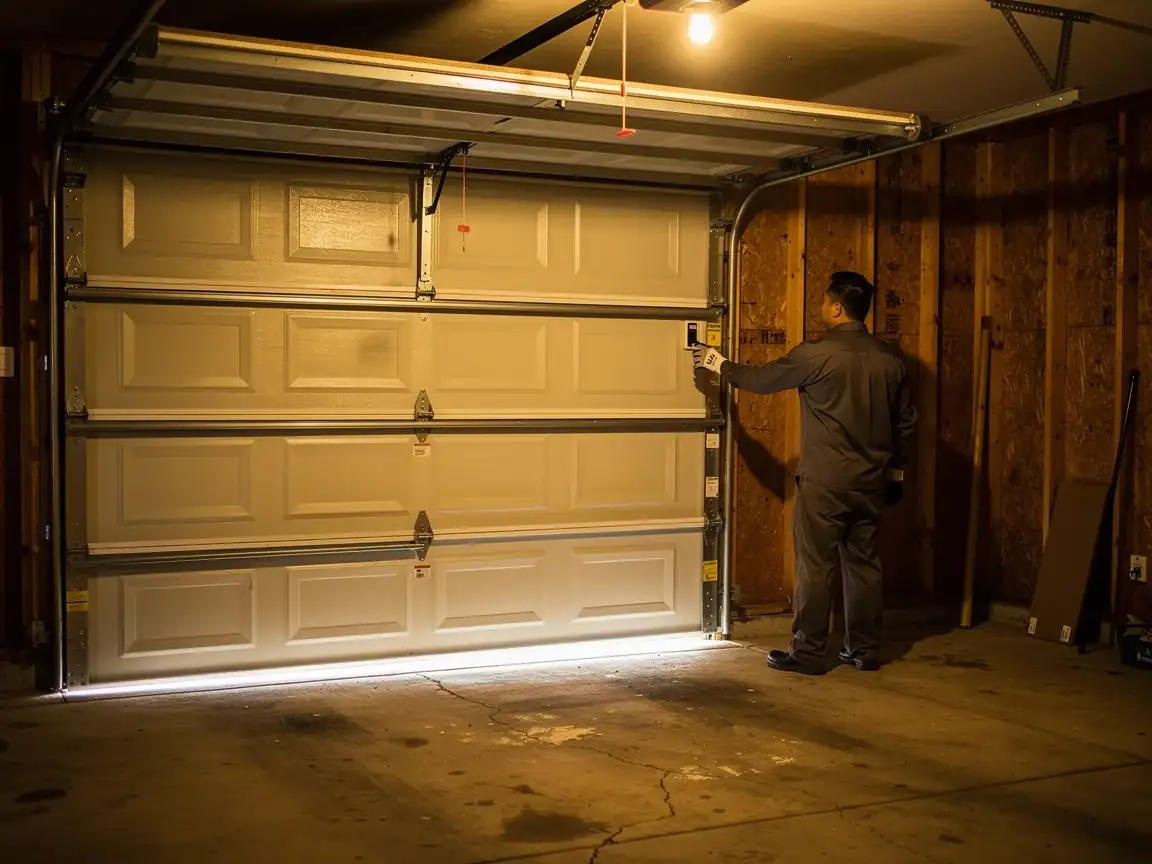
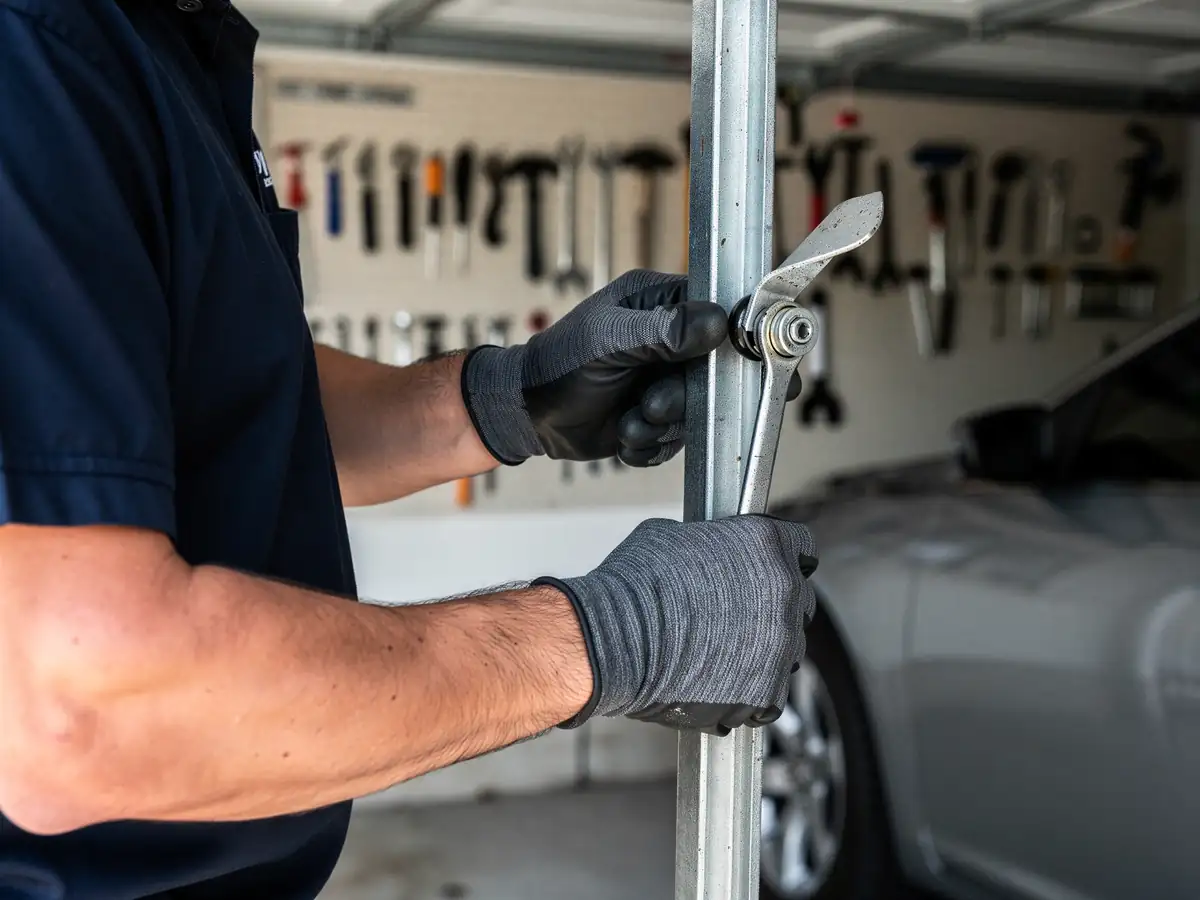
What the job actually takes
The right horsepower and drive type for the door's weight and travel distance, a mounting bracket that matches the existing header (not always standard on an older structure), and force and travel settings dialed in by hand rather than left on factory default. We also check that the safety reversal sensors have a clean line of sight, since older garage layouts weren't always built with that in mind. None of this is exotic work, but skipping any one piece of it is how a new opener ends up acting like the old one within a year.