Doing It Yourself
Windsor is 10 miles southeast of our shop
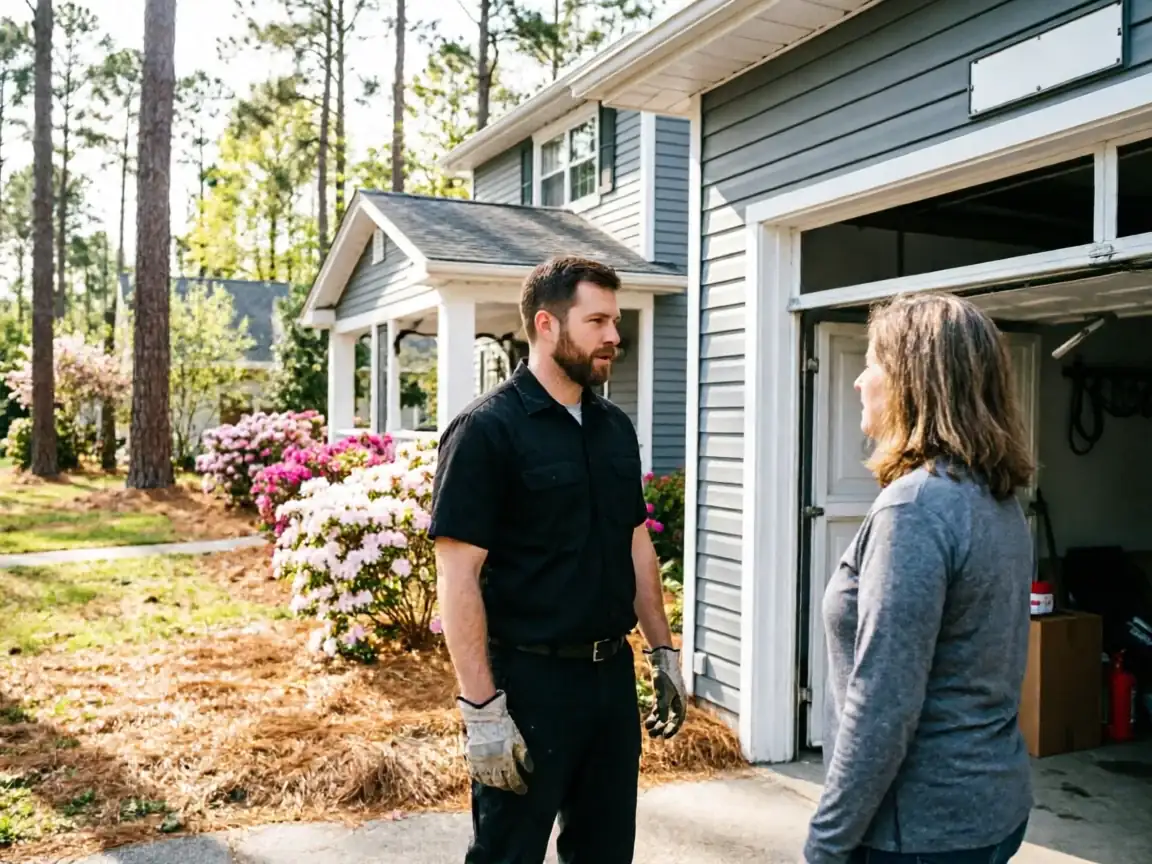
Which means a maintenance call here isn't something we run on a whim between other jobs - it gets booked on a route, same as five miles the other direction. That's actually good for you: a planned trip means we're not rushing the inspection to get back to Suffolk for the next call.
- 10 miles
There's plenty you can do between visits
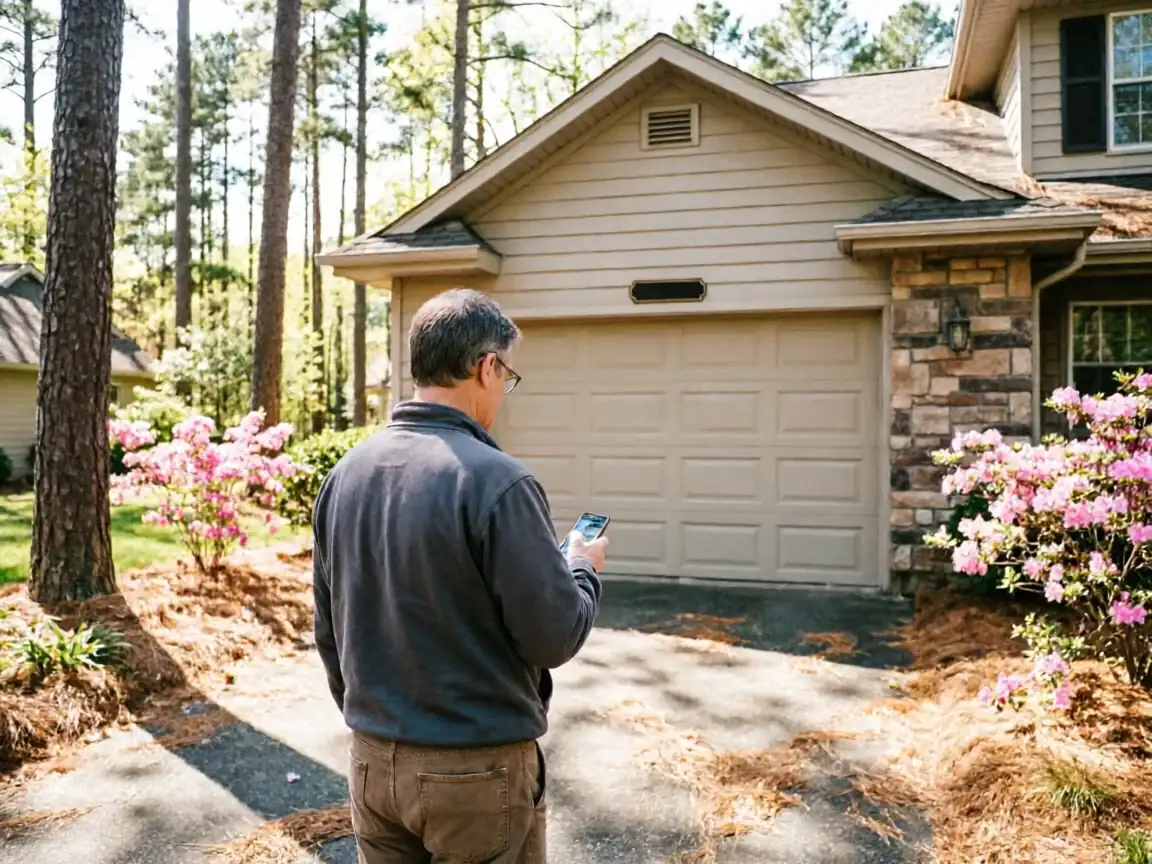
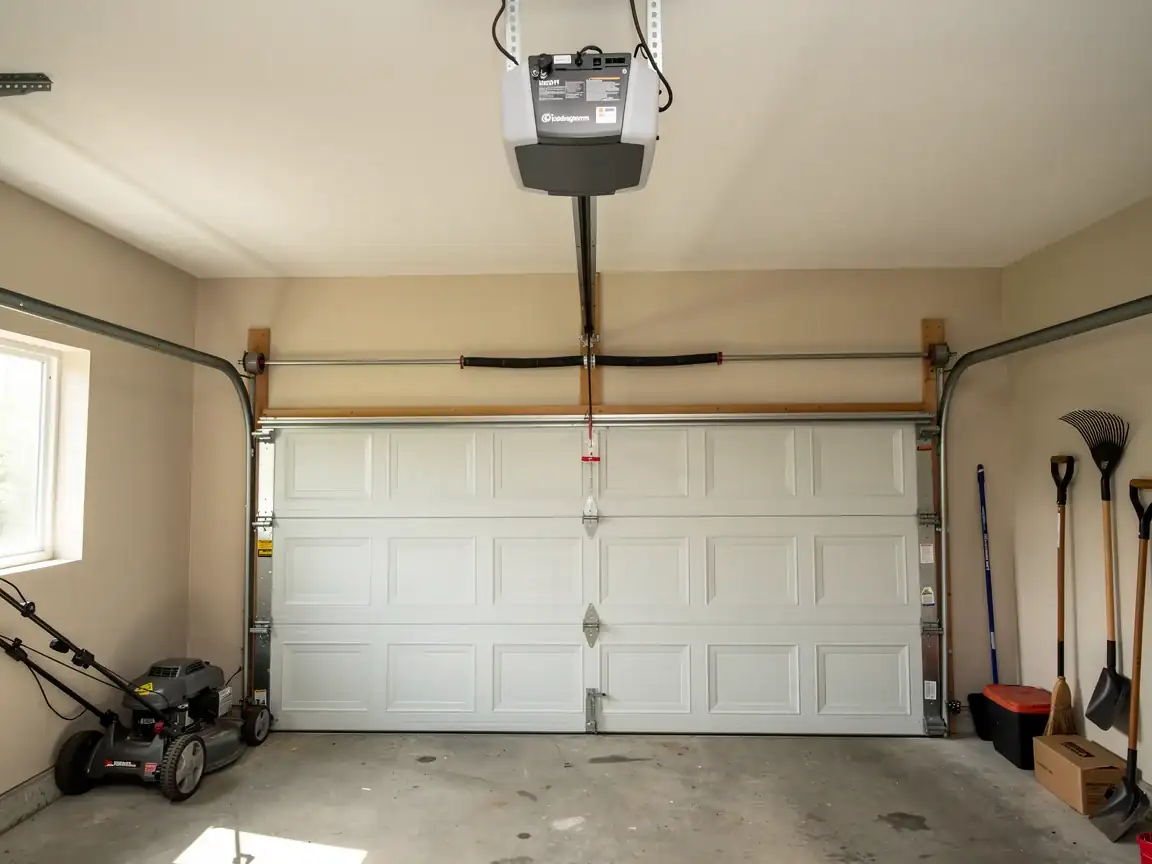
Once a season, spray the rollers and hinges with a silicone-based lubricant, not grease, which gums up in cold weather and attracts grit. Check that the photo-eye sensors near the floor are clean and aligned. Pull the manual release cord and test that the door moves smoothly by hand with the opener disconnected - it should take almost no effort if the springs are doing their job.
What you shouldn't touch: the torsion spring itself
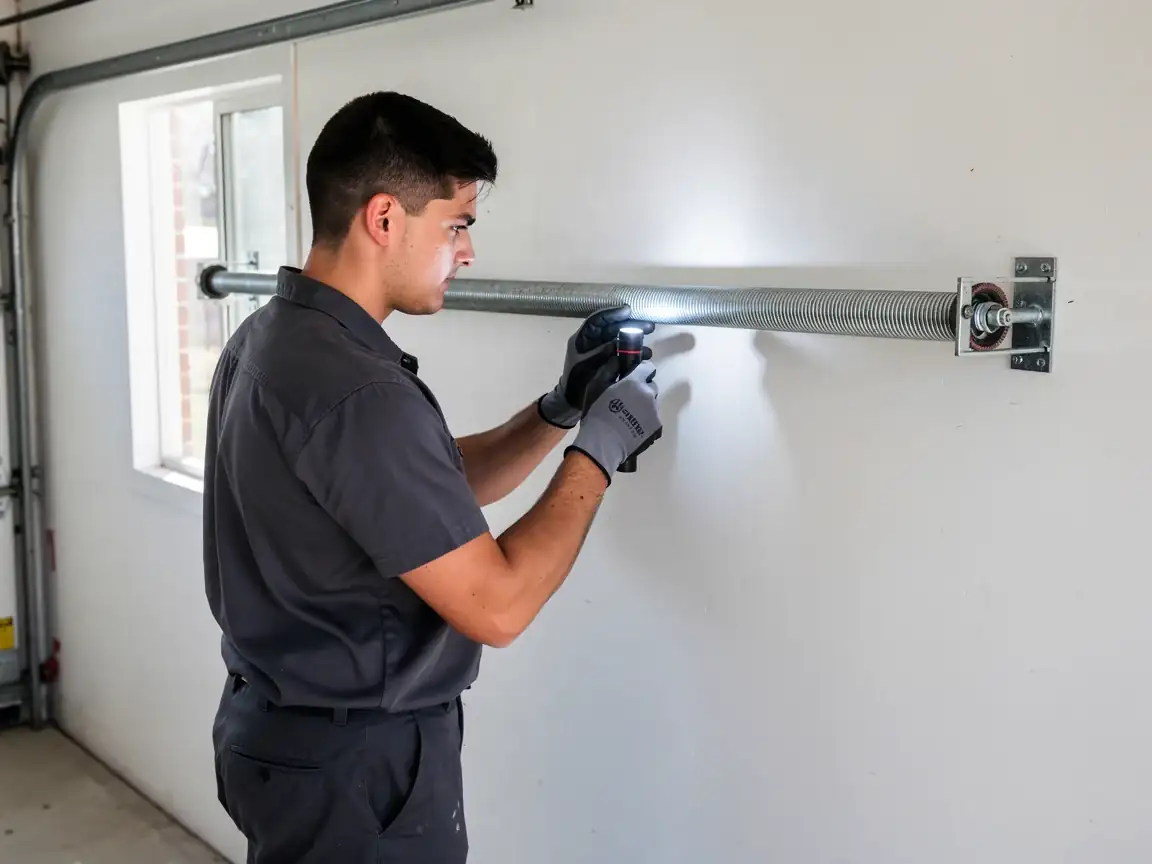
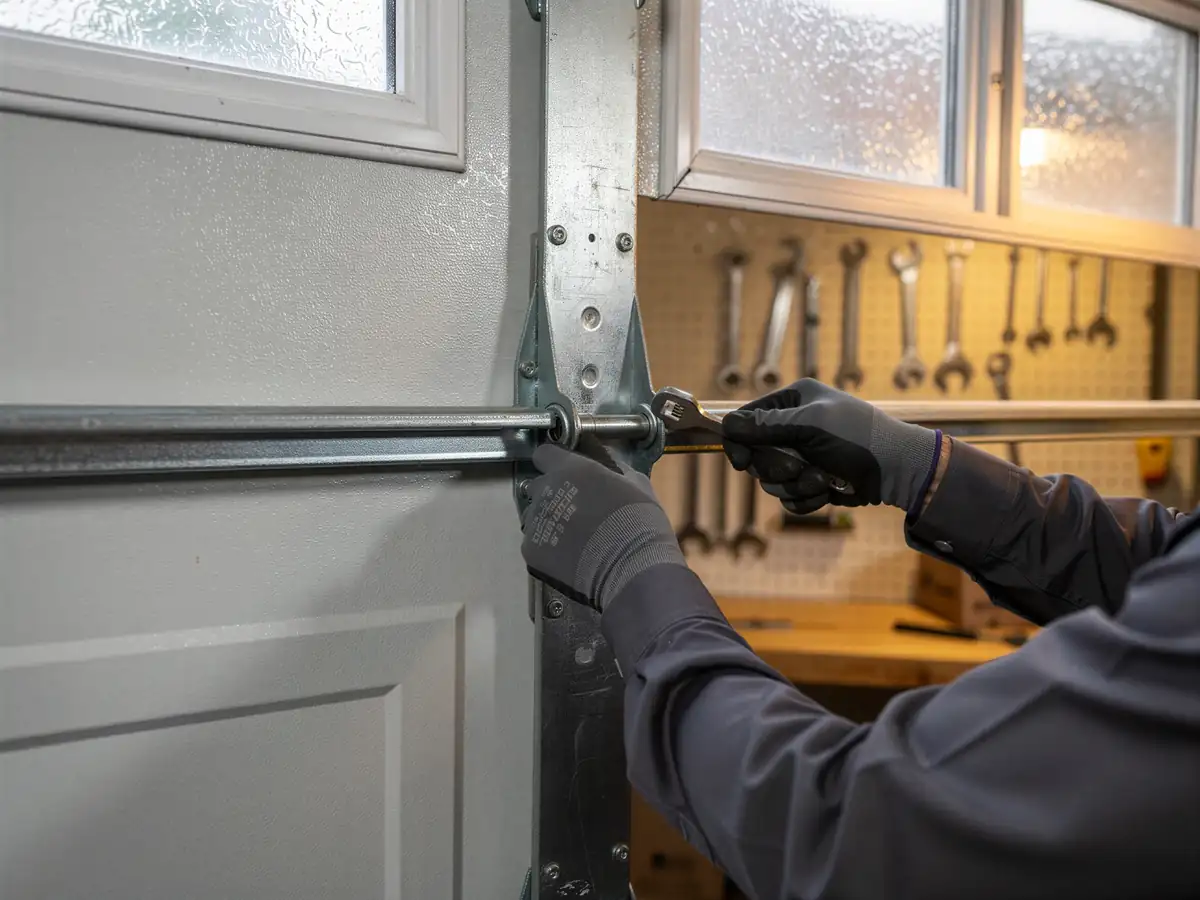
On the 1980s and 90s doors common around here, spring tension is wound tight enough to break a wrist or worse if the winding bars slip. That one's ours, not a weekend project. If you're not sure whether something is a lube-and-check item or a leave-it-alone item, that's a fair thing to ask us on the call.
The Symptom
Housing in and around Windsor mostly went up between 1966 and 1992, with the median sitting around 1991 - late enough that most doors aren't original anymore, but the openers and torsion hardware from a first replacement in the 2000s are now old enough to show their age. The symptom we hear most from this stretch: a door that reverses partway up, or one that's noticeably louder than it used to be going on a cold morning.
That's consistent with the climate here - a moderate cold band, not brutal, but enough that lubricant stiffens overnight and nylon rollers shrink slightly in the cold. A door that was fine in September can start binding by December. It's not usually the spring at that point; it's dried-out rollers or a track that's drifted out of alignment over years of thermal movement.
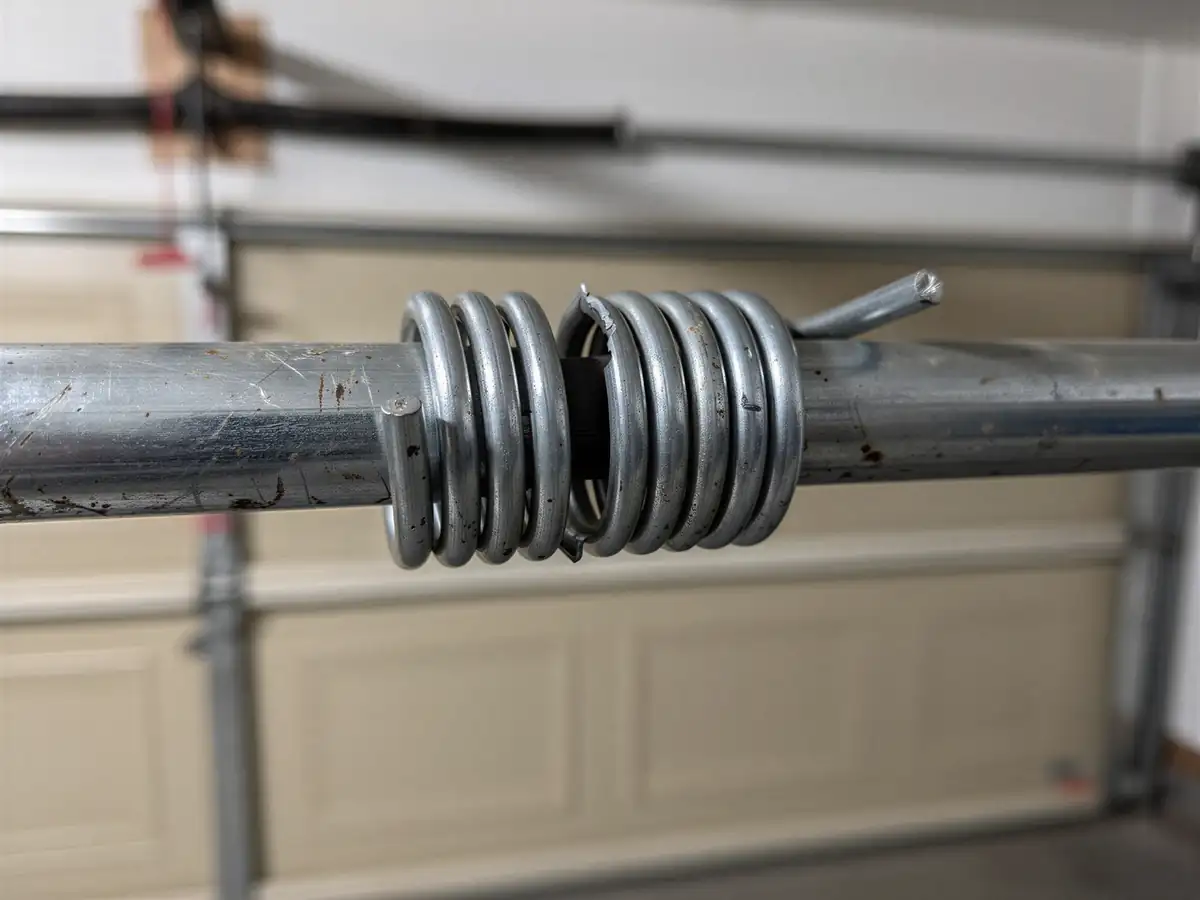
We also see corrosion on galvanized spring coils that have sat exposed in unheated garages for two or three decades, which is about the age of the housing stock out this way. Surface rust on a spring isn't an emergency, but it's the kind of thing that turns an emergency once it flakes enough to weaken the coil.
How Long It Takes
A standard maintenance visit - lubrication, hardware check, spring tension and balance test, track alignment - runs about the same on-site whether we're in Suffolk or out at a house in Windsor. The difference is the drive. At 10 miles each way, we build that into how we schedule the day, usually pairing a Windsor stop with another call in the same direction rather than sending a truck out for one job and back.
If the inspection turns up something beyond a tune-up - a cracked panel, a spring near the end of its life - we'll tell you on the spot rather than let you find out mid-season. Parts for older torsion setups aren't always sitting on the truck, especially if the hardware is a less common size from a 1990s-era installation. When that happens, we're honest about it: a return trip may be needed rather than a same-visit fix. That's the one limitation worth naming up front - we'd rather say it than pretend every job wraps in one stop.
What the Repair Takes
A tune-up on a Windsor door usually covers the same ground
Lubricating rollers, hinges, and the torsion shaft bearings, tightening loose hardware that's worked itself free over years of cycling, and checking cable condition at the drum. Given the age band of the housing here, we also pay close attention to weatherstripping - the vinyl seal along the bottom and sides dries and cracks faster once it's past 20 years old, and a gapped seal lets in the kind of cold-weather draft that drives up a winter heating bill.
- 20 years
Balance testing matters more than people expect
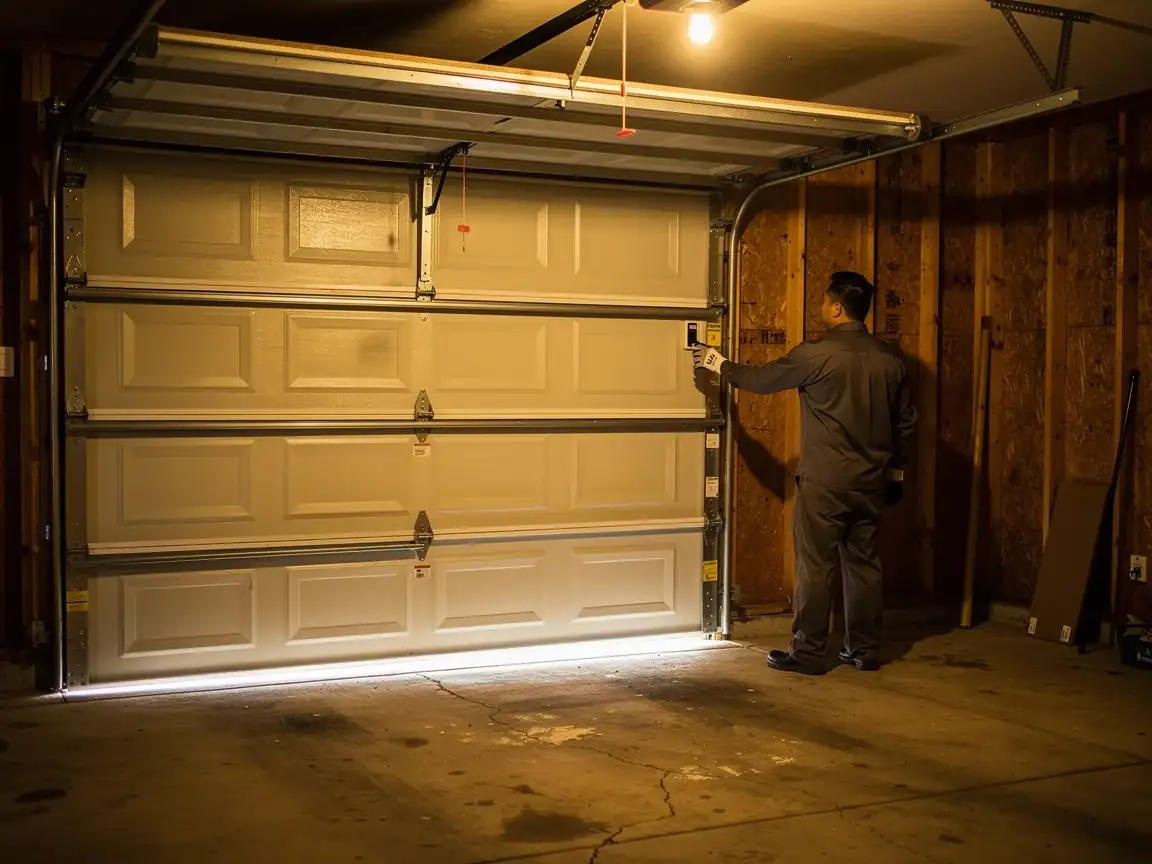
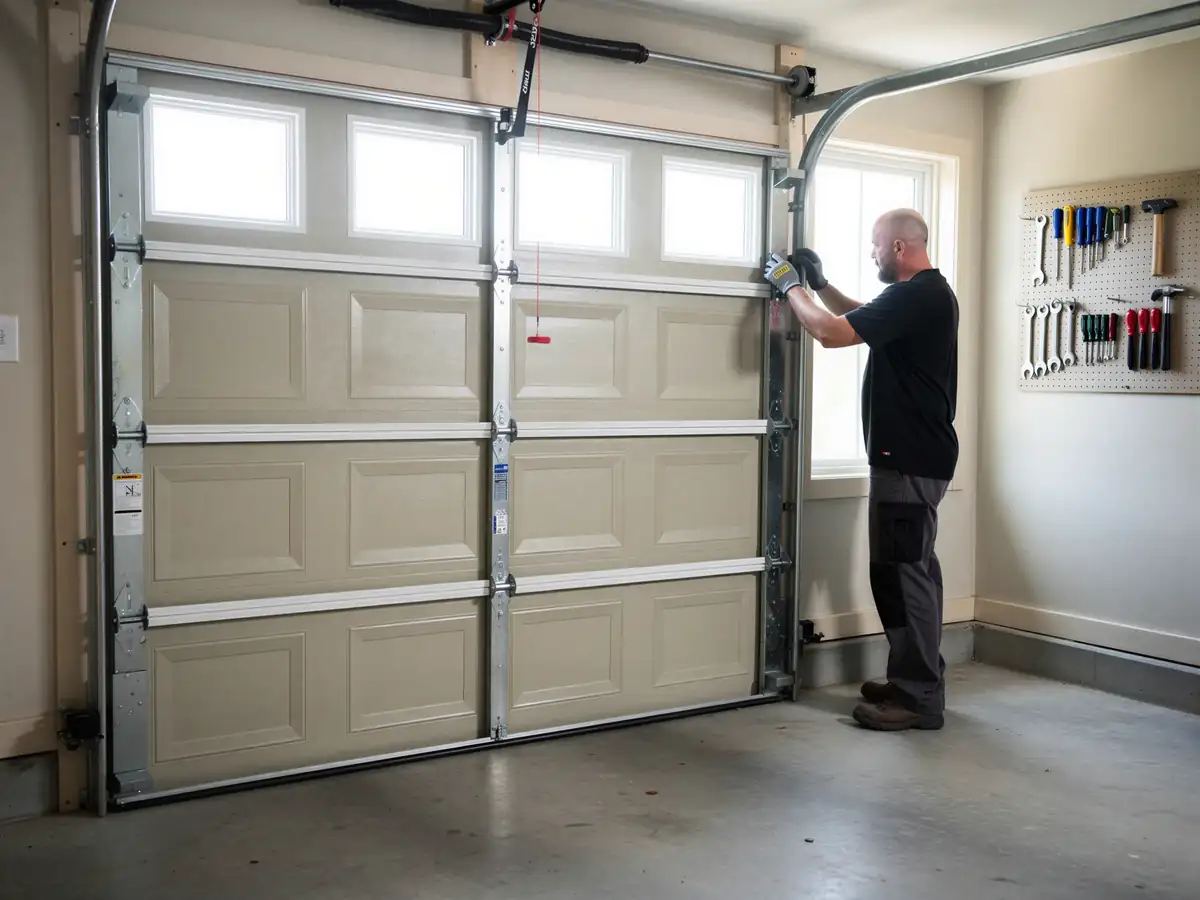
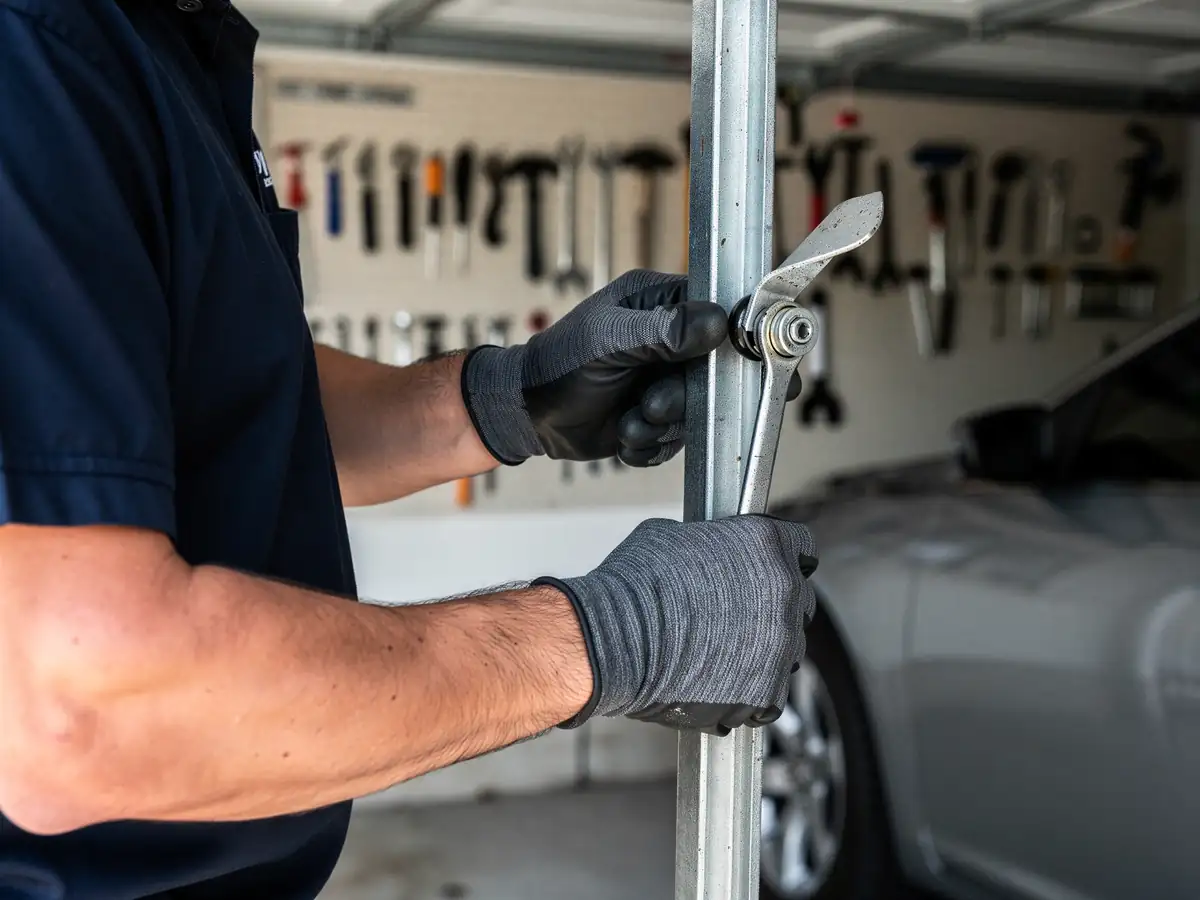
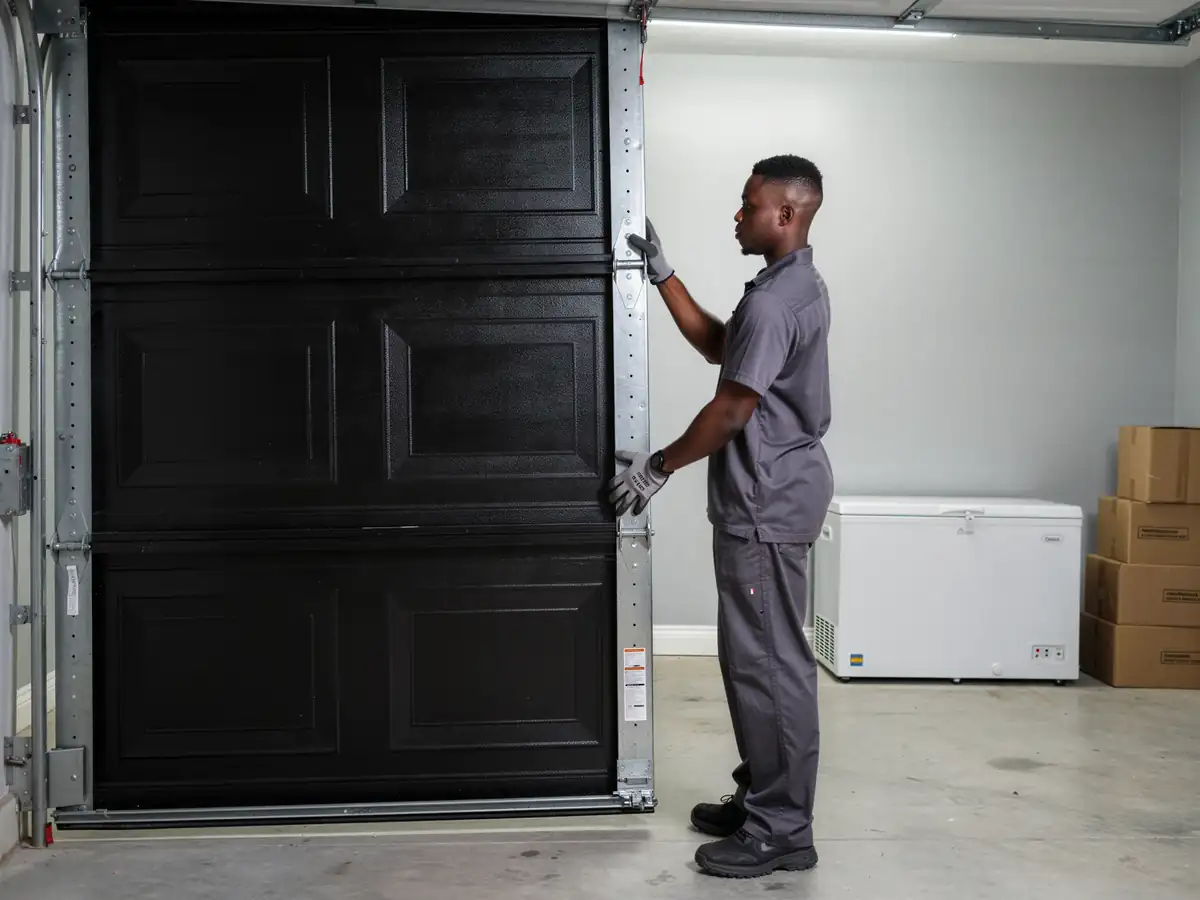
We disconnect the opener and check that the door holds position at waist height. If it drifts, the spring is carrying the wrong tension for the door's weight - common once hardware's been in service for two or three decades, which lines up with a lot of the stock around here. Adjusting that isn't a five-minute fix; it takes winding bars, a steady hand, and knowing the door won't fight back. We don't shortcut that step, even on a routine visit.